





 English
  Francês
  Alemão
  Italiano
  Japonês
  Norueguês
  Portuguese
  Spanish
 3 min of reading


According to Petrobras’ Statement, Prices Below Market May Compromise Imports and Gas Stations May Run Out of Fuel
On Wednesday (8), Petrobras issued a statement defending the permanence of the International Parity Policy (PPI), created and implemented during Michel Temer’s government in 2016. The reason? According to the large oil company, prices below market could generate national supply shortages at gas stations, as imports would fall and only domestic oil is not sufficient for that.
According to the statement, prices with adjustments allow for the quality of domestic oil supply and its positioning in a competitive international environment for sale. Want to know more? Then continue reading the article.
Understand Better What the PPI Is and How It Works with Petrobras in the Video Below

PPI Is Essential for National Energy Security and Quality of Logistics Services
Oil prices that follow market value are essential for the continuity of full supply and national energy security, ensuring that there is no fuel shortage at gas stations.
-
Petrobras finds high-quality oil in the pre-salt at 113 km from RJ and reignites expectations about strategic reserves in the Campos Basin.

-
Chinese giant worth nearly R$ 4 billion that manufactures cables for electric cars, solar energy, and robotics wants to open a factory in SC.
-
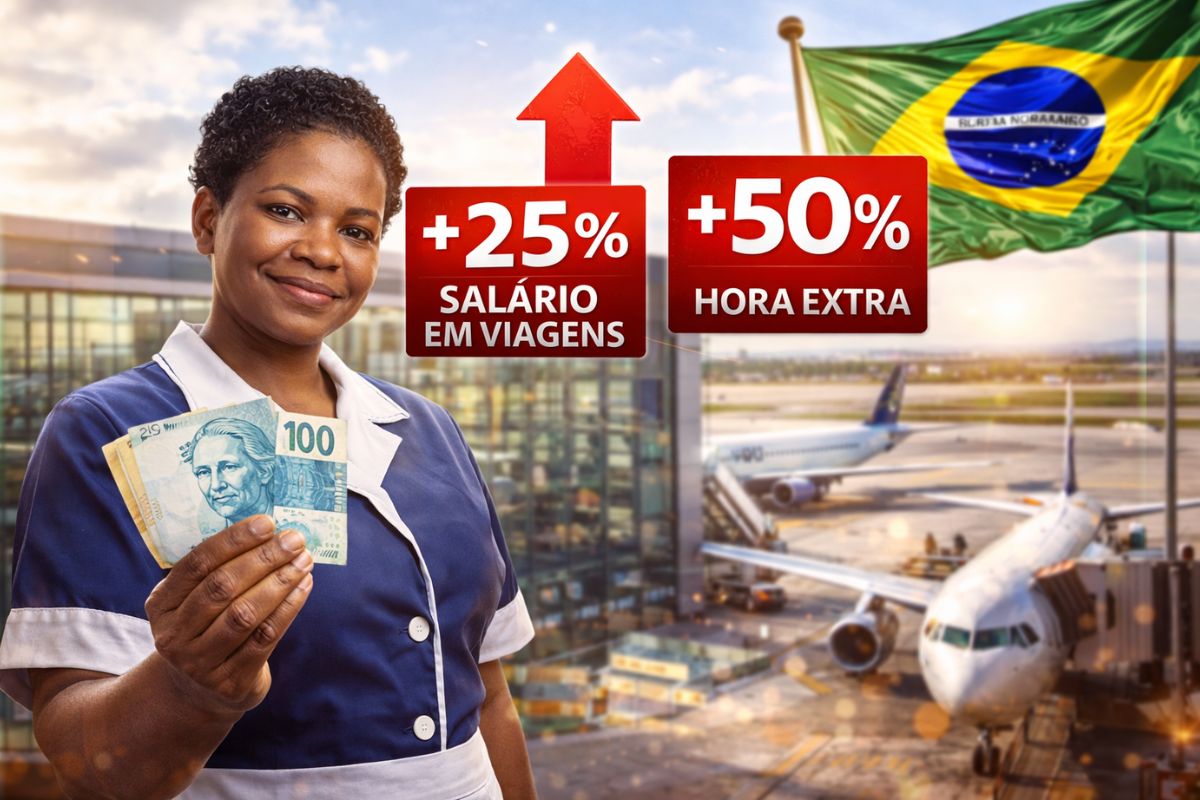
Many employers do not know, but the law guarantees domestic workers a 25% increase in salary during trips, 50% for overtime, 20% for night shifts, and 17 additional benefits that can lead to labor lawsuits if not paid.
-
Gasoline prices soar and the question arises: is ethanol more advantageous? The 70% rule reveals the limit with gasoline.
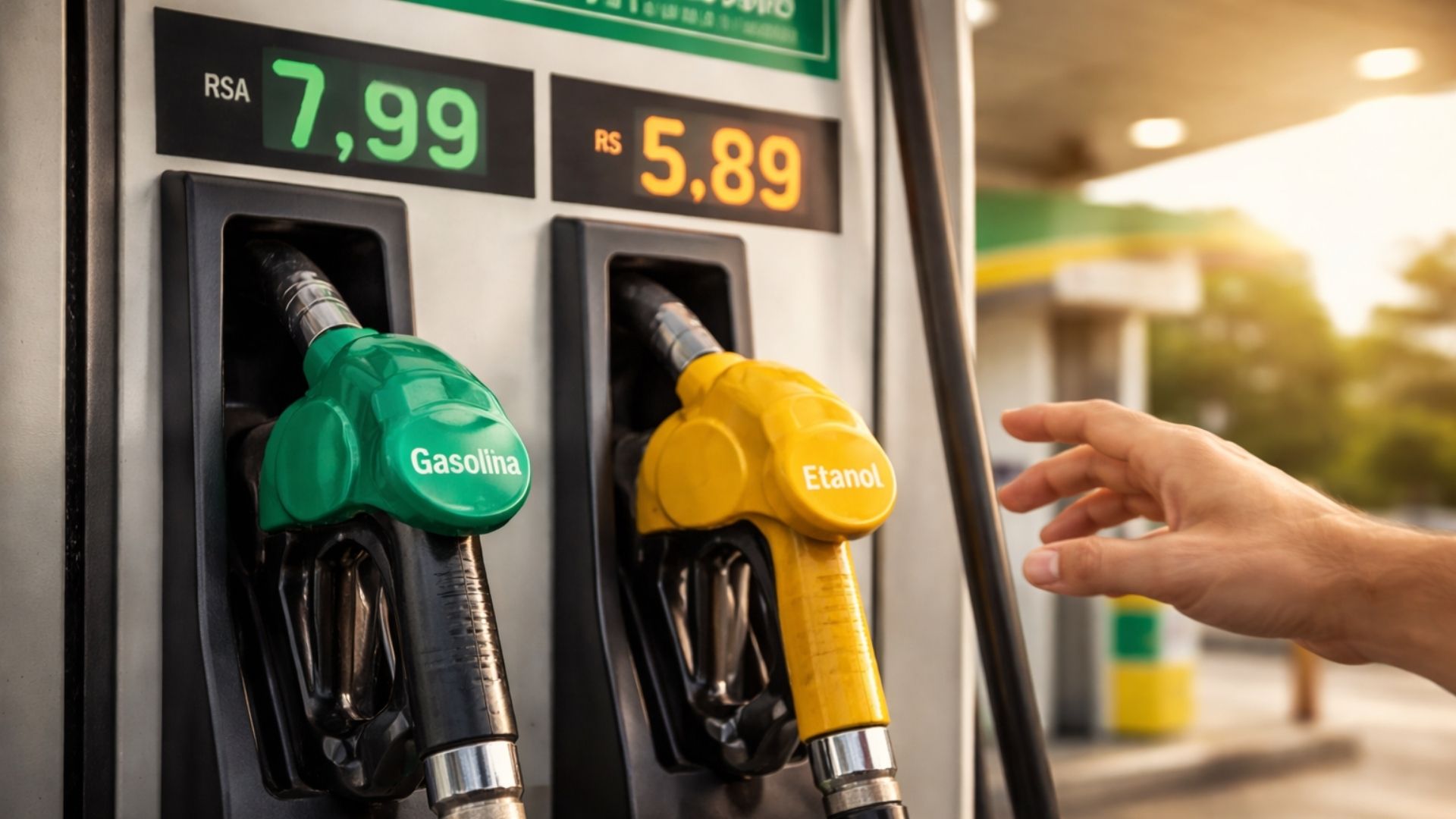

“Market-aligned prices stimulate production and competition in the present, as well as foster investments that will contribute to the increase in the volume produced, to meet the quality required for the products, and to enhance logistical capacity, with direct benefits to the consumer.”
Petrobras, in a statement issued on June 8, 2022
According to the statement, the state-owned company claims that the war between Russia and Ukraine has had impacts worldwide, which is expected to generate a global slowdown and pressure the fuel sector in the coming years. Additionally, Brazil has recorded a 30% increase in diesel imports in 2021, reflecting the seasonality in industrial and agricultural activities.
“In light of this situation, it is crucial that the practice of competitive pricing in equilibrium with the global market serves as a reference for the Brazilian fuel market, aiming for national energy security.”
Petrobras, in a statement issued on June 8, 2022
The price of a barrel of Brent crude oil reached a high of 2.8% this Wednesday (8), reaching US$ 123.97. This result is only the second highest since the war began in February, second only to the value of US$ 127.98 recorded in March.
Federal Government Tries to Negotiate Fuel Prices with the National Congress and State Representatives
In a constant struggle to maintain prices, the Federal Government is seeking alliances with the National Congress and state representatives to limit the ICMS (Tax on Circulation of Goods and Services) through a project. If approved, it could lower fuel prices. However, the temporary suspension has faced resistance from some governors who rely on this revenue for their states.
Nevertheless, the government is looking for ways to ease prices through PECs (Proposals for Constitutional Amendments), which are being discussed in Congress alongside the ICMS project. If approved, the PECs would allow the government to compensate those states that succeed in eliminating the tax on cooking gas and diesel, which are widely used by Brazilians.
This compensation proposal was presented by Bolsonaro on Monday (6) alongside Senator Rodrigo Pacheco (PSD-MG) and the Speaker of the House, Arthur Lira (PP-AL). Furthermore, Minister Paulo Guedes states that this endeavor is expected to cost between R$ 25 billion and R$ 50 billion from public coffers.








Seja o primeiro a reagir!