





 English
  Francês
  Alemão
  Italiano
  Japonês
  Norueguês
  Portuguese
  Spanish
 4 min of reading
  0 comments



Record Production, Technical Advances in Reserves and Environmental Pressures Position State-Owned Company at the Center of Brazil’s Energy Strategy Until the End of Next Decade
The Petrobras closed 2025 with one of the strongest performances in its recent history. In this context, the company combined significant production growth with robust reserve replacement, which broadened its production horizon. Thus, the numbers reinforce the operational security of the state-owned company in the short, medium, and long term.
In 2025, total oil and natural gas production reached a daily average of 3 million barrels of oil equivalent, representing a growth of approximately 11% compared to 2024. Furthermore, this advance established a new operational benchmark for the company. Consequently, Petrobras began operating above recent historical averages.
In the third quarter of 2025, the production of oil, LNG, and natural gas grew 16.9% compared to the same period in 2024. During this period, the company achieved a record of 3.14 million barrels per day, according to officially released corporate data.
-
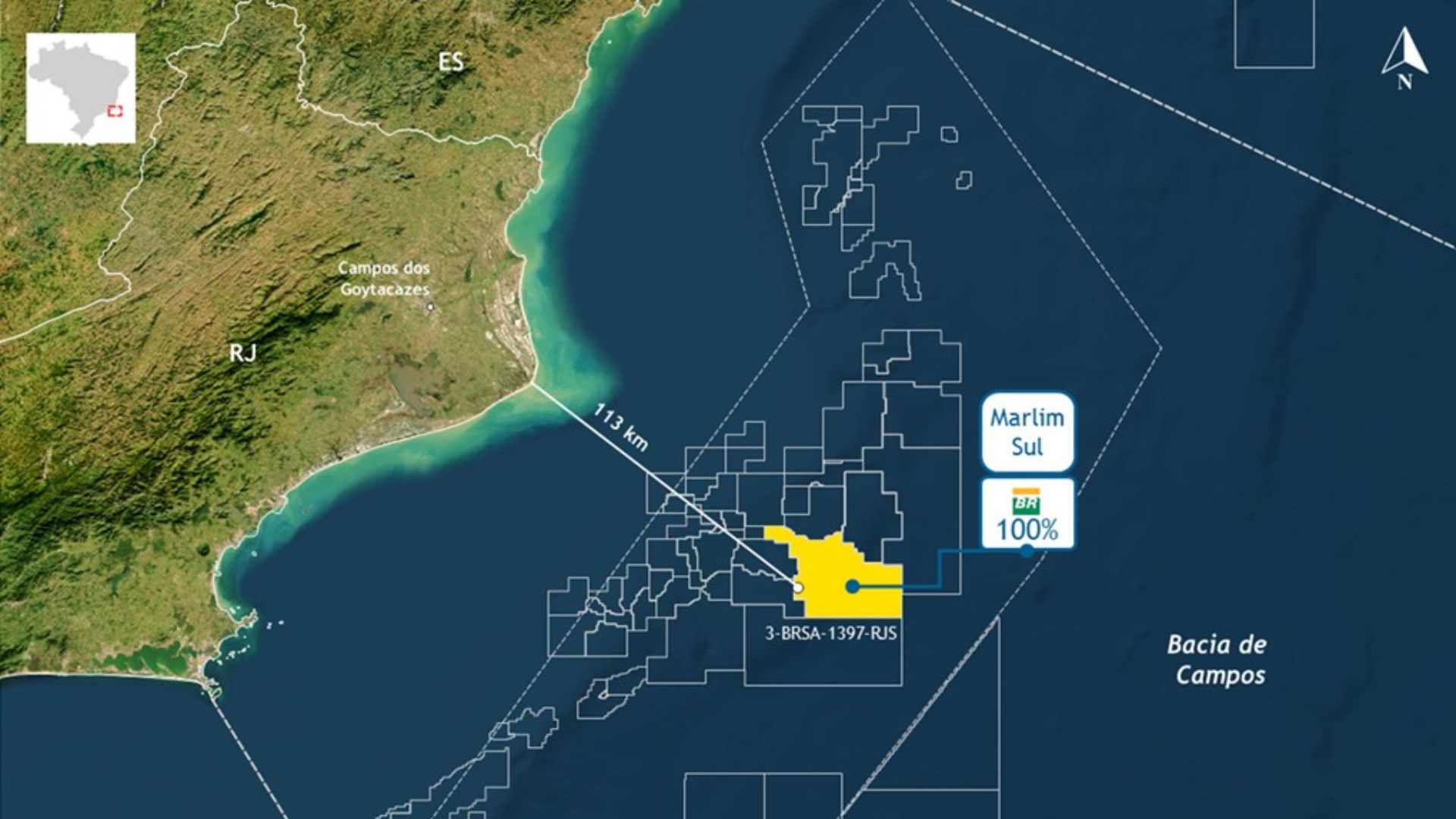
Petrobras announces new oil discovery in the pre-salt of the Campos Basin and reinforces Brazil’s prominence with high-quality reserves that can increase production and energy revenues.
-
Alert in the fuel market: Analysts and a former director of ANP warn that oil prices may worsen in the coming months due to global instability.

-
Ocyan brings executives and digital solutions to Macaé Energy 2026 and highlights offshore expansion with Nexio and a new base in Macaé.

-
Petrobras advances 4.6% with rising oil prices and the dollar, reigniting the debate on macro risks, pricing policy, and fiscal impact in Brazil.
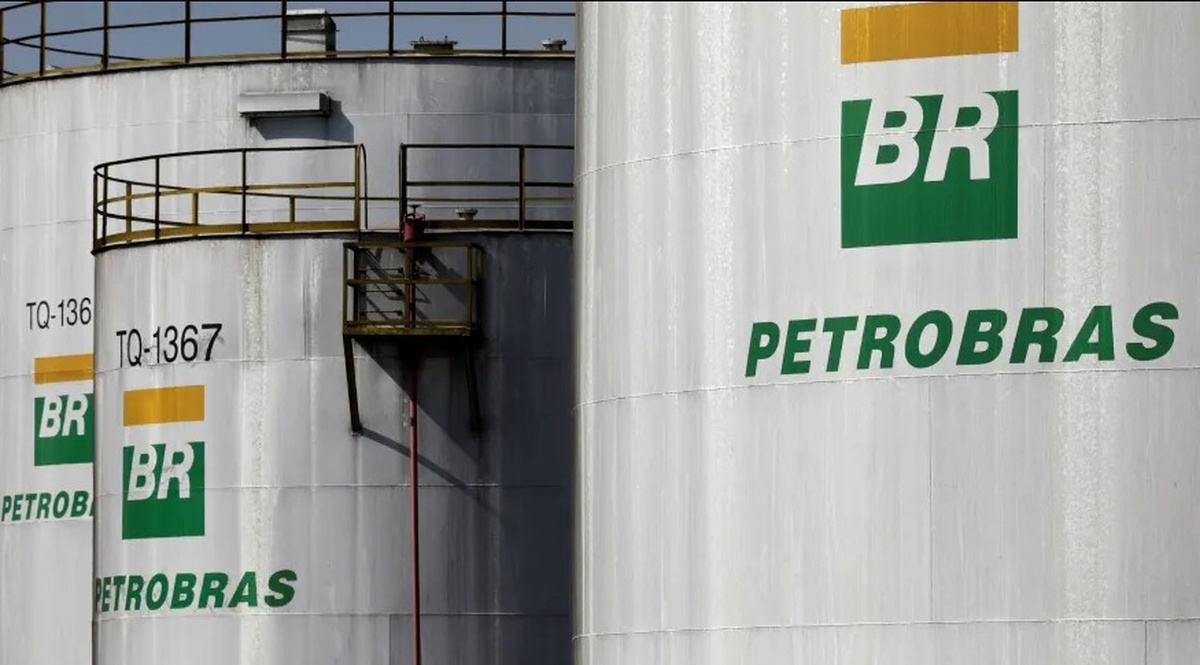


Reserves Grow and Strengthen Productive Horizon
By the end of 2025, proven reserves totaled 12.1 billion barrels of oil equivalent, according to a performance report published in January 2026. Of this volume, 84% corresponds to oil and condensate, while 16% refers to natural gas. Thus, the company’s energy base remained largely concentrated in oil.
The total amount of proven reserves available for exploration grew 6% throughout the year.
Thus, even with high production, Petrobras was able to expand its energy stock. This result reinforces the technical consistency of the adopted strategy.
Technical Indicators Indicate Robust Replacement
The Reserve Replacement Ratio (RRR) of Petrobras reached 175%, a level considered robust in the oil and gas sector. In practice, this means that, for every barrel produced in 2025, the company discovered 1.7 barrels in new potential reserves. Therefore, the replacement significantly exceeded the volume extracted during the period.
Additionally, the reserve-to-production (R/P) ratio is estimated at 12.5 years. Therefore, the company ensures the continuity of production until 2038, even without additional new discoveries, if the current pace is maintained.
Pre-Salt Concentrates New Discoveries
Most of the new reserves identified in 2025 occurred in the Santos and Campos basins.
In this scenario, Búzios, Tupi, Itapu, and Mero stand out as the most productive assets in Brazilian pre-salt. These fields continue to be central pillars of national production.
In addition to the pre-salt, there were advancements in projects located in the Sergipe-Alagoas Basin.
This area was discovered back in the 2010s, but remained without exploratory activities until now. It has now returned to the company’s strategic radar.
New Frontiers and Environmental Licensing
This scenario is complemented by the agreement established with Ibama for the drilling of the first exploratory well in deep waters in the Foz do Amazonas Basin.
According to technical and environmental assessments, this activity may commence in seven to eight years, depending on reservoir validations and licensed authorizations.
Corporate Strategy and Official Positioning
In a statement released in January 2026, Petrobras stated that the increase in reserves results from a strategy focused on creating value for society and shareholders.
Furthermore, the company emphasized the guarantee of energy security, considered essential for the sustainable development of the country.
Environmental Criticism and Pressure for Transition
Despite the technical performance, the advancement of oil production and exports faces criticism from environmental organizations. In January 2026, entities linked to the Climate Observatory delivered recommendations to the government of Lula.
The document, published on Wednesday, the 28th, includes 161 civil society organizations. These entities advocate for the creation of a timeline to end oil auctions in Brazil. They also propose exclusion zones in socio-environmentally sensitive areas, such as the Foz do Amazonas, along the Equatorial Margin.
The report also highlights that up to 52% of Brazilian emissions come from road freight transport. It also points out that federal subsidies for fossil fuels reached R$ 47 billion in 2024. According to the estimate presented, up to 85% of Petrobras’s assets could become obsolete in scenarios compatible with the limit of 1.5°C global warming.
Given this scenario of technical growth, reserve security, and increasing environmental pressure, what should be the balance between production expansion and the acceleration of the energy transition in Brazil in the coming years?









-

Uma pessoa reagiu a isso.