





 English
  Francês
  Alemão
  Italiano
  Japonês
  Norueguês
  Portuguese
  Spanish
  2 min of reading


A Robot Was Developed by Petrobras to Paint Flat and Vertical Platforms. According to a Project Developer, Service Executed by Robot “Prevents Workplace Accidents”.
Petrobras developed a machine capable of painting flat and vertical platforms. The technology was developed in partnership with the Senai Institute of Innovation in Joinville (SC). The apparatus was “named” painter robot and is in the licensing phase to become a commercial product.
According to the oil company, the tests conducted on the hull of the P-35 resulted in an 88% reduction in human exposure to risk and an 84% decrease in maintenance costs.” The P-35 platform is located in the Campos Basin, Rio de Janeiro.
-
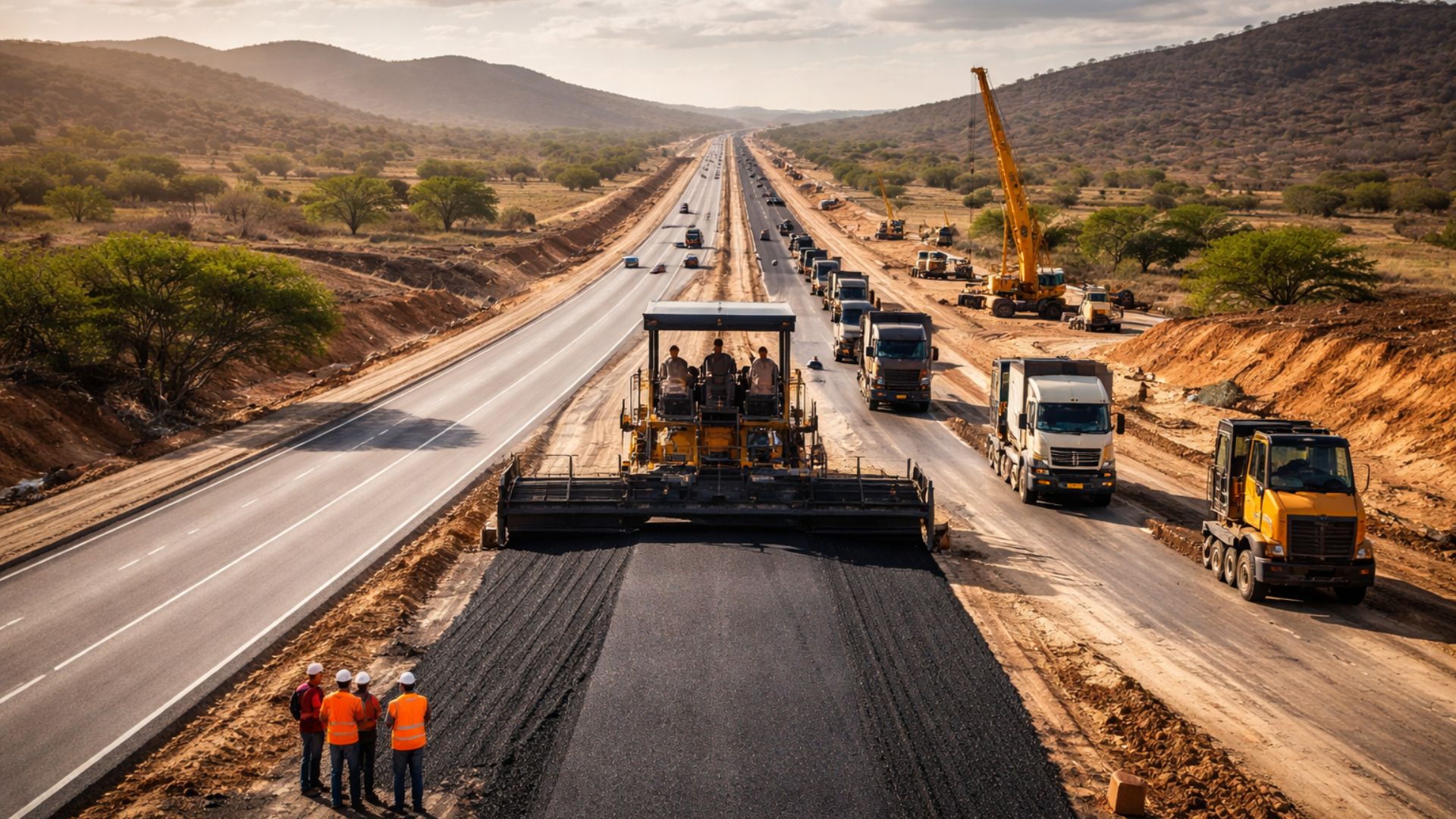
Government unlocks R$ 554 million for a highway that has been requested for decades and accelerates the duplication of BR.
-
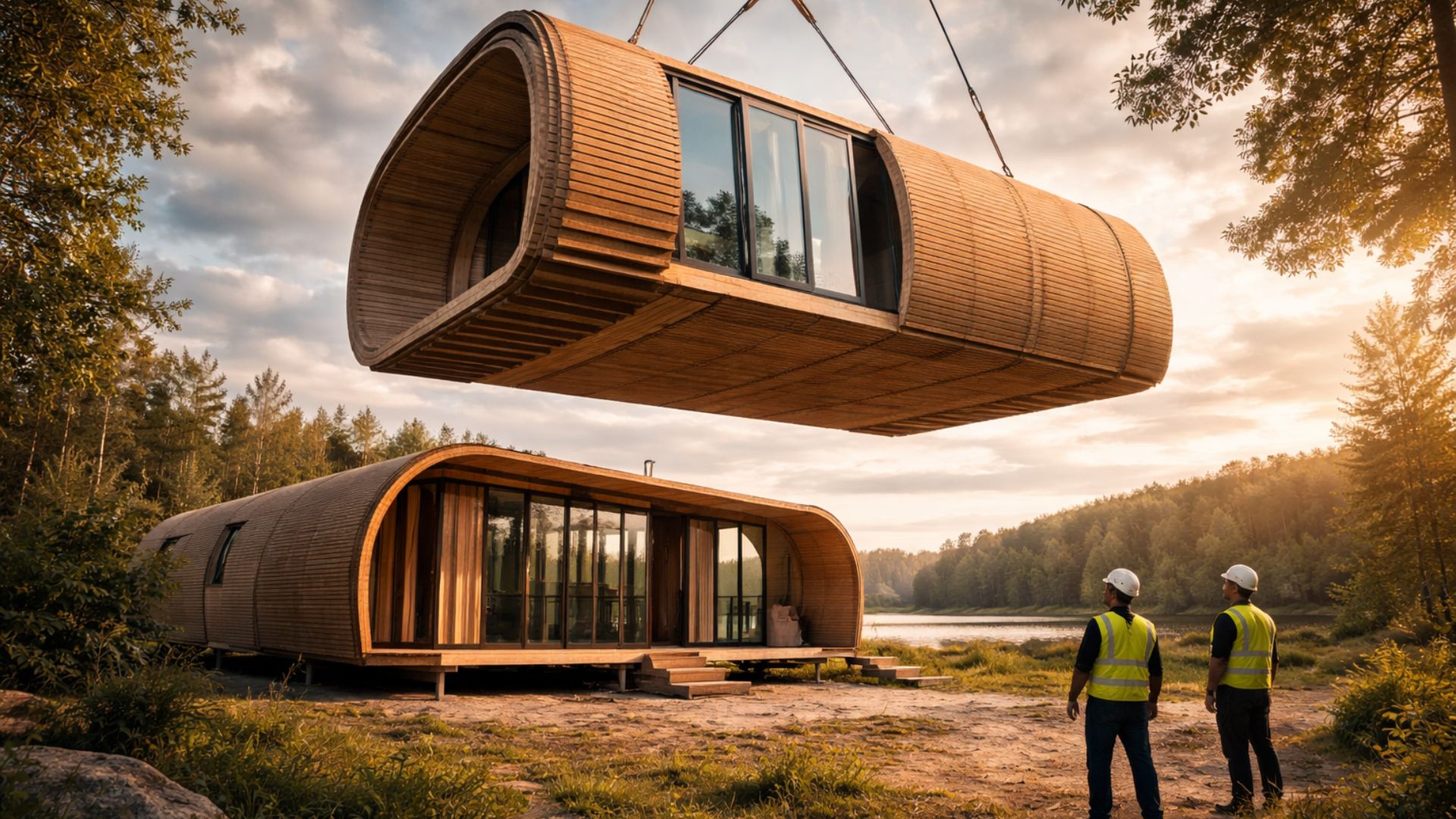
Without bricks, without cement, and without endless construction: the cardboard house that is assembled in modules and can be moved.
-
Billions of barrels on the equatorial margin could lead Amapá to double its oil production in Brazil — the state aims to enter the route of companies in the Campos Basin, attract investments, and boost jobs and businesses in the oil and gas sector.
-
Without bricks, without cement, and without endless construction: the cardboard house that is assembled in modules and can be moved.

With the new technology, it is possible to optimize the process and paint a surface of 300 m² in one hour, whereas a person can only cover 20 m².
The robot optimizes productivity by 10 times. According to Petrobras, the service time was reduced from 35 days (with scaffolding) to 14 days (with the robot).
Successor to Human Labor
In the trials conducted with the robot, they managed to reduce the number of people involved in the activity to six, compared to the old model that required 20 people, considering the entire onboarding process and equipment mobilization for painting.
For André Koebsch, one of the project’s developers, the innovation brings gains in safety, environment, and health, since the “service executed by robot prevents workplace accidents, as the system is operated via a control panel”.
André reiterated that the task with the machine “is less dependent on sea conditions, so in the future, the potential for productivity gains may be even greater”.
In the future, the state-owned company intends to transfer the technology to suppliers, aiming for “maximum application in platform maintenance”.









Seja o primeiro a reagir!