





 Portuguese
  English
  Spanish
  3 min of reading
  0 comments



Paths of Petrobras: New Strategies, Challenges, and Impact on the Energy Market.
Political changes always bring revisions and alterations to the strategies of large corporations. In Brazil, Petrobras is no exception. In the previous administration, the focus was on privatizing non-core segments, aiming to open doors for the private sector and stimulate a more dynamic and open market.
Changes in the Strategic Board
The arrival of a new government brought with it a shift in approach, prioritizing state presence in key sectors of the economy. Amid this new scenario, Petrobras, a giant in the oil sector both nationally and globally, faces strategic decisions that come with operational and financial risks and potential unfavorable developments.
-
Brazilian giant expands borders in the Southeast: Petrobras confirms new oil discovery in ultra-deep waters in the pre-salt of the Campos Basin.

-
Alert in the global energy market: Severe tropical cyclone hits the coast and disrupts gas production at major plants in Australia, threatening global supply.

-
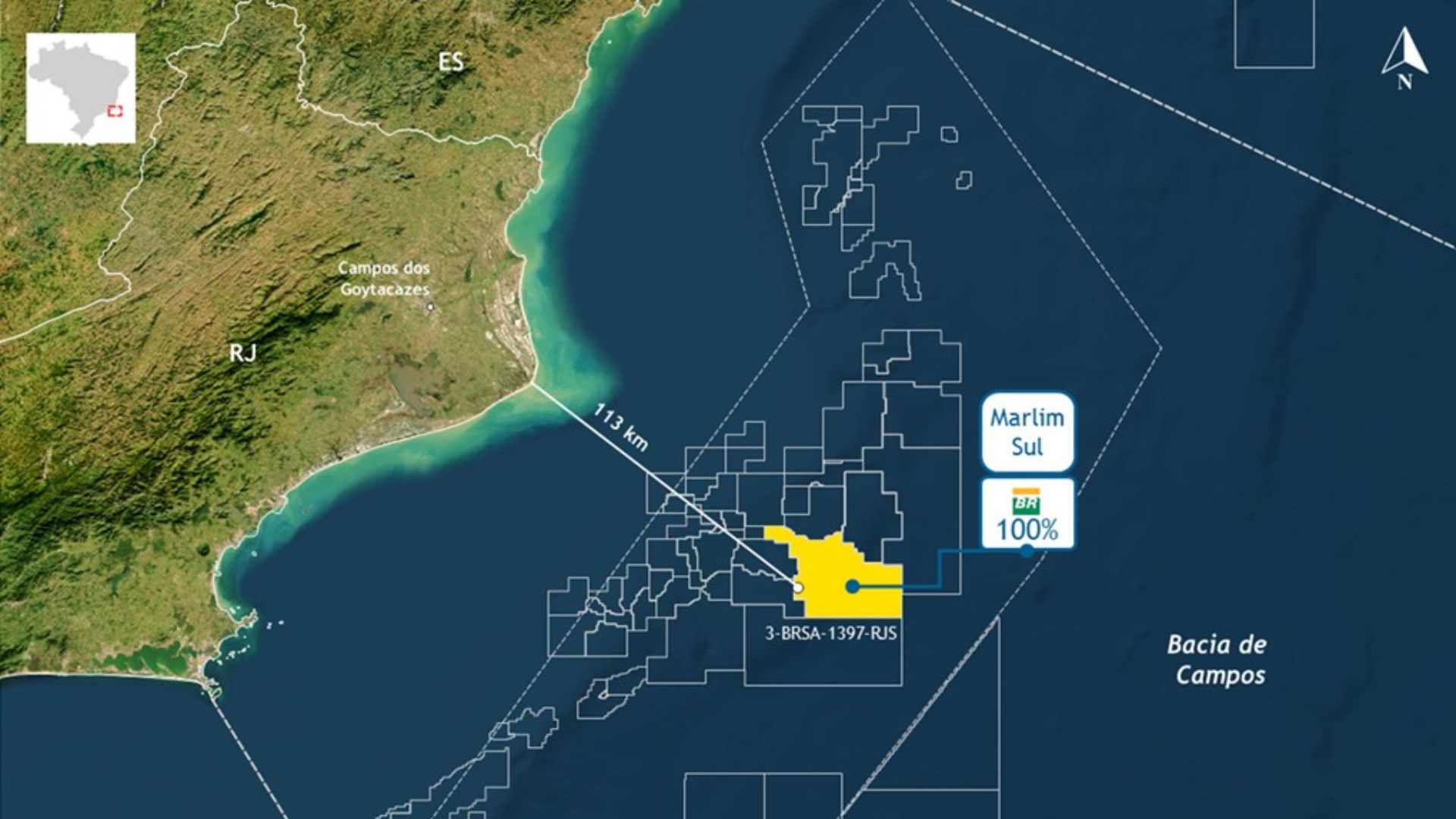
Petrobras finds high-quality oil in the pre-salt at 113 km from RJ and reignites expectations about strategic reserves in the Campos Basin.

-
Ocyan opens registrations for startups focused on innovation in the oil and gas sector and will select projects for Innovation Day with the support of Nexio.


Historically, Petrobras directed its resources toward highly profitable activities, such as deepwater exploration and production, especially in the pre-salt region. The divestment process, initiated years ago, aimed to cease operations in non-strategic segments, thereby opening opportunities for other market players.
However, with the recent turnaround in the company’s management and the reconsideration of terms established with CADE, the question arises: what will be the role of Petrobras in an increasingly competitive and diverse market?
Challenges in Exploration and Production
The oil and gas exploration and production sector in land areas and shallow waters is particularly delicate. Petrobras had previously signaled its intention to divest in these areas, allowing for the entry of companies with more expertise. Such a move revitalized stagnant segments, resulting in a notable increase in the number of operators and boosting national production.
But, with the recent halt of divestment processes, the company appears to want to reclaim its dominant position, which could inhibit new private incursions and affect the economy as a whole.
The idea of partnerships with specialized companies, rather than direct operation, could be a solution. Petrobras could leverage its expertise without needing to directly manage these fields.
Pricing Policy and Impacts
The issue of fuel prices is another sensitive area. The company has been adapting its policy, but the discount seen in domestic prices compared to international ones has caused imbalances and uncertainties, affecting not only importers but also domestic producers.
Brazil’s dependence on diesel and gasoline imports intensifies the problem, raising concerns about the continuity of supply and the financial impacts of a poorly adjusted policy.
Sustainable Future and Long-Term Vision
However, not everything is challenges. Petrobras is clearly committed to the energy transition, aiming to neutralize its emissions by 2050. Plans to invest in new sustainable businesses, such as green hydrogen and offshore wind energy, show a promising path.
But what really matters for Petrobras in the future? A clear strategy that strengthens its market position is needed, clearly defining its goals and objectives. A return to monopoly may not be the answer, as history shows its limits. Revising strategy could have profound implications for the market and for the country as a whole.
Source: Felipe Kury is a former director of ANP – National Agency of Petroleum and Managing Partner at FK Energy Partners.









Seja o primeiro a reagir!