





 Portuguese
  English
  Spanish
 3 min of reading
  0 comments


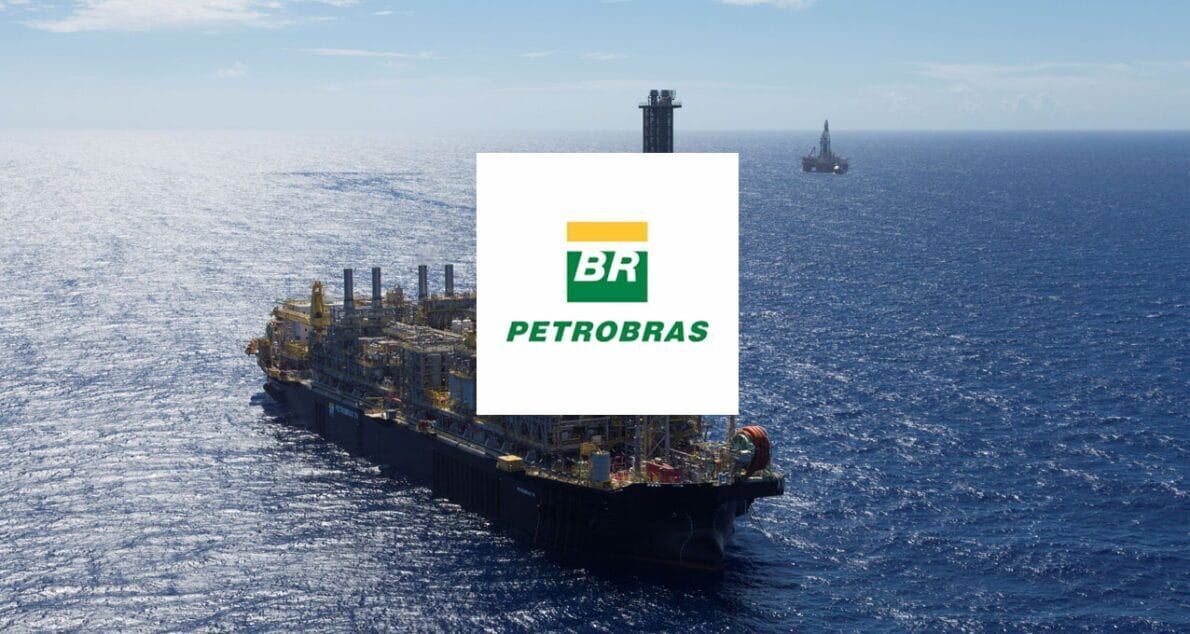
In the heart of Brazil’s environmental and economic discussions, a silent battle unfolds between giants: Petrobras and Ibama.
This conflict promises to transform the country’s energy landscape but hides secrets that could shake the national political and environmental structures.
According to Senator Davi Alcolumbre (União Brasil-AP), there is a “clear boycott” from Ibama regarding the Equatorial Margin, a strategic area for the exploration of new oil fields.
-
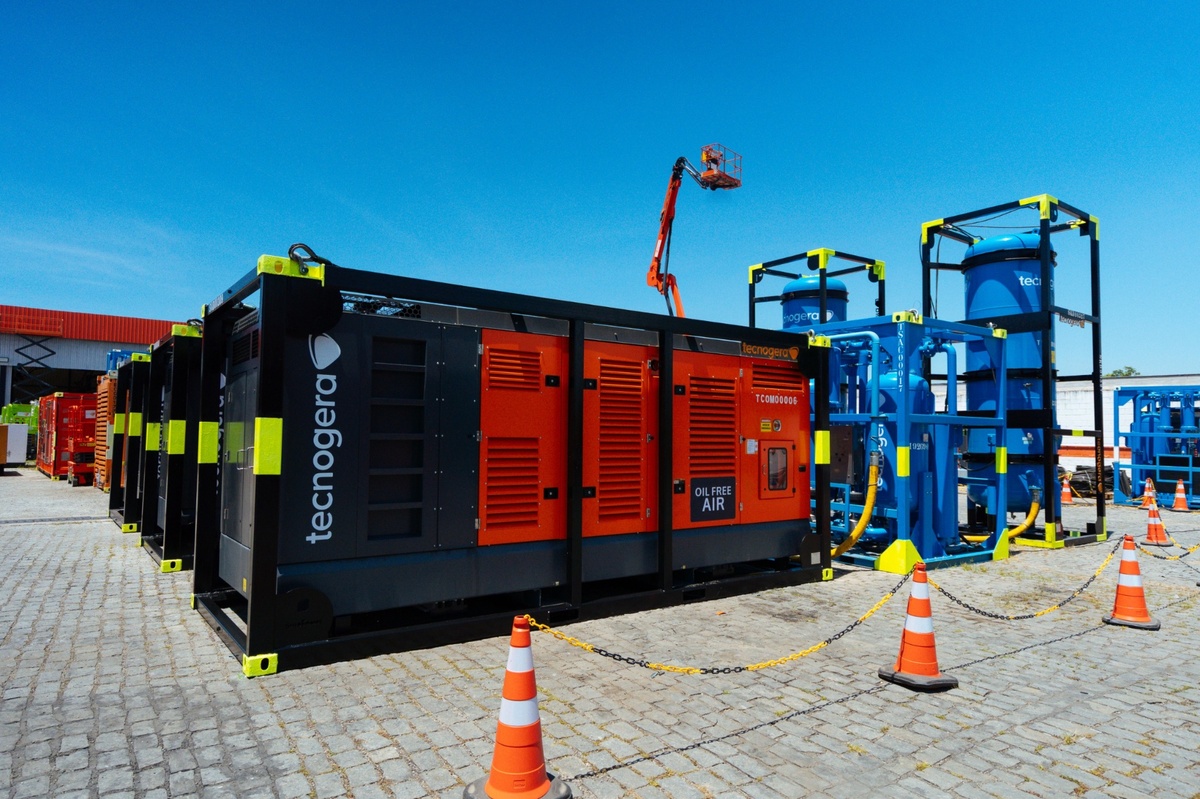
Offshore industrial demand in Macaé skyrockets with the recovery of oil and gas and could grow by up to 396% by 2026 in the Campos Basin.
-
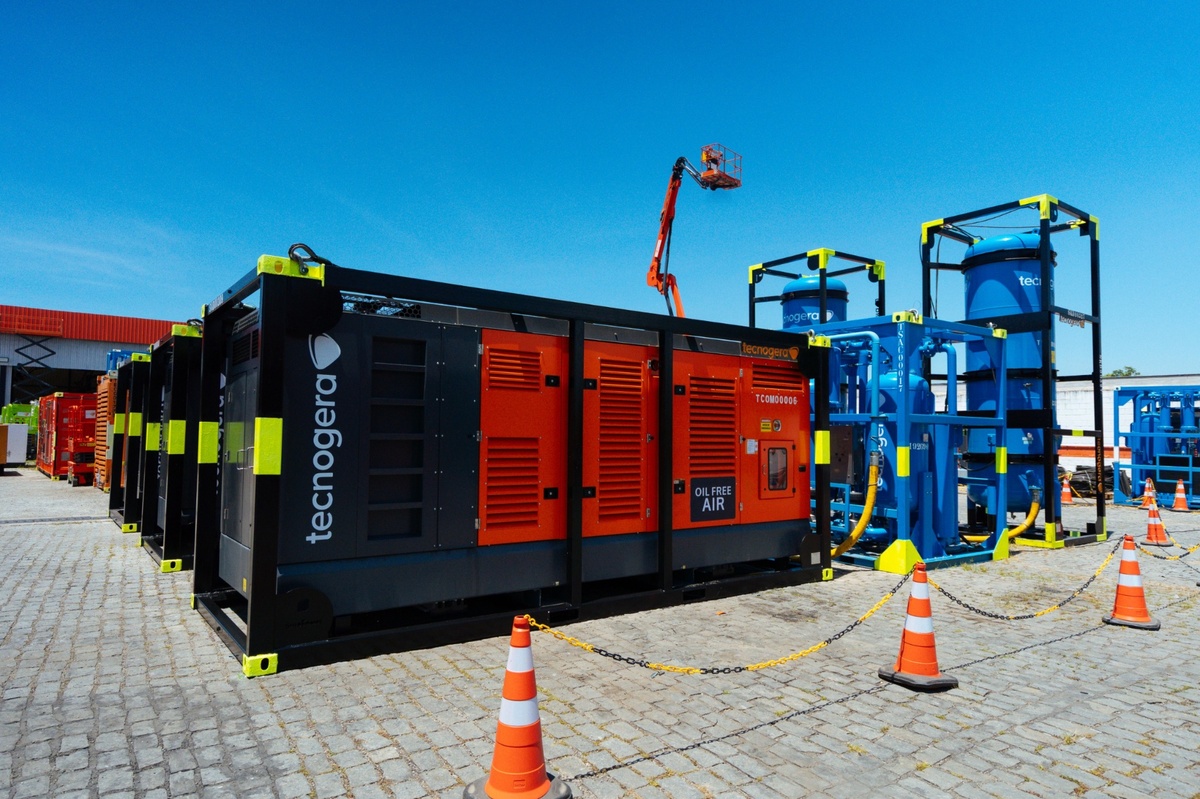
Offshore industrial demand in Macaé surges with the recovery of oil and gas and could grow by up to 396% by 2026 in the Campos Basin.
-
Brazilian giant expands borders in the Southeast: Petrobras confirms new oil discovery in ultra-deep waters in the pre-salt of the Campos Basin.

-
Alert in the global energy market: Severe tropical cyclone hits the coast and disrupts gas production at major plants in Australia, threatening global supply.


The former president of the Senate expressed his concerns in a meeting held in Rio de Janeiro, where Rodrigo Agostinho, president of Ibama, and Magda Chambriard, president of Petrobras, were also present on Friday (10).
Economic and Social Impact
The exploration of the new pre-salt in the Equatorial Margin has the potential to generate 350,000 new jobs, a significant number for the Brazilian job market.
Additionally, Petrobras’ initiative aims to reduce environmental risks in drilling wells at 2,880 meters deep, approximately 170 km off the coast of Amapá.
However, as reported, Ibama has shown resistance, requiring detailed clarifications on the state-owned company’s proposals.
Meeting of Leaders and Negotiations
On Friday (01), Magda Chambriard met with Clécio Luís, governor of Amapá, and Senators Davi Alcolumbre and Randolfe Rodrigues.
During the meeting, opportunities and demands for Petrobras investments in Amapá were discussed, highlighting the strategic importance of the maritime portion in the Brazilian Equatorial Margin.
The Strategic Importance of the Equatorial Margin
The Equatorial Margin is one of the last unexplored oil frontiers in Brazil, covering the entire coastal strip to the north of the country, from Guyana to Rio Grande do Norte.
According to reports, the region is divided into five sedimentary basins, totaling 42 blocks, including the Mouth of the Amazon, Pará-Maranhão, Barreirinhas, Ceará, and Potiguar.
Perspectives and Challenges
Magda Chambriard emphasized the importance of research and exploration of oil in Amapá, highlighting that Petrobras is committed to turning the state’s potential into real benefits for the local population.
“We want to turn this state’s potential into a real benefit for the local population,” Chambriard stated.
Clécio Luís, governor of Amapá, highlighted the interest of the company in oil exploration as a opportunity for the economic development of the state.
“Oil exploration off the coast of Amapá is of interest to Petrobras, it is of interest to Brazil, and it is very much of interest to Amapá. We stand by Petrobras to do what is necessary,” he declared.
Political Reactions and Support for Petrobras
Senator Davi Alcolumbre expressed satisfaction with Petrobras’ stance, highlighting that oil research in Amapá can translate into jobs, income generation, and better quality of life for the people of Amapá.
Randolfe Rodrigues, leader of the Government in Congress, also supported the initiative, reinforcing the confidence in Petrobras’s tradition as a source of national pride.
Sustainable Innovation
During the meeting, officials were introduced to Diesel R, a sustainable fuel patented by Petrobras, which contains 5% renewable content and maintains the same physicochemical characteristics as mineral diesel.
This innovation highlights the company’s commitment to more sustainable practices in the oil industry.
Challenges Faced by Petrobras
Despite the promising outlook, Petrobras faces bureaucratic obstacles imposed by Ibama, which questions the environmental viability of the new explorations.
Alcolumbre stated that Ibama’s resistance goes beyond technical issues, characterizing it as a true boycott against the country’s economic progress.
Future Perspectives
As Petrobras awaits Ibama’s decision on the shelving of the exploration process, the future of the Equatorial Margin remains uncertain.
The resolution of this impasse will be crucial in determining the direction of the Brazilian oil industry and its impact on the national economy.
The dispute between Petrobras and Ibama over the exploration of the Equatorial Margin reflects a broader dilemma between economic development and environmental preservation.
With the promise of hundreds of thousands of new jobs and the continuation of pre-salt exploration, Brazil finds itself at a crossroads that will define its energy and environmental future.
Will the balance between economic growth and environmental preservation be achieved in Brazil amidst this dispute between Petrobras and Ibama?









Seja o primeiro a reagir!