





 English
  Francês
  Alemão
  Italiano
  Japonês
  Norueguês
  Portuguese
  Spanish
 4 min of reading


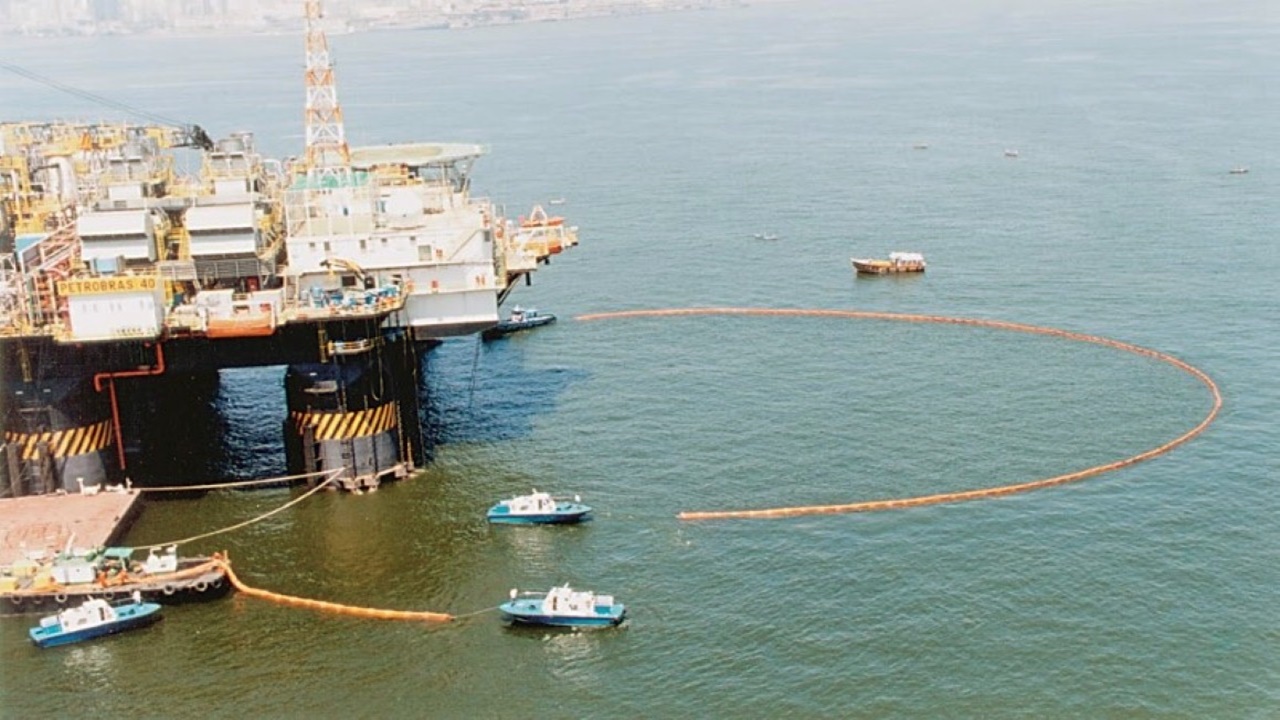
Petrobras Positions Itself on Accumulating Without Any Environmental Licensing in the Campos Basin, Tons of Materials from Its Oil Platforms
Petrobras will have to pay R$ 20.057 million in environmental compensation for “feeding” more than twenty years of irregular deposits of equipment and pipelines from its oil platforms in the Campos Basin, Rio de Janeiro. Petrobras Invests in Northern Brazil and Acquires Stake in 6 Blocks for Oil Exploration from BP
Read Also
- Ethanol and Gasoline Prices Skyrocket, Petrobras Raises CNG by 39% and Adjustment May Further Impact Brazilians’ Wallets in the Coming Weeks
- Direct Sale of Ethanol from Mills Will Stimulate Competition and Curb Gasoline Price Increases at Fuel Stations
- Eike Closes Partnership with China and Gains ‘Unlimited’ Capital to Implement Oil and Gas, Mining, Renewable Energy, and Infrastructure Projects in Brazil
- After Automakers Ceased Vehicle Production in 29 Factories in Brazil, Volkswagen and Toyota Resume Production in the Country
The state-owned company signed a Conduct Adjustment Term (TAC) with the Federal Public Ministry in Rio de Janeiro (MPF/RJ) for the complete removal of stored equipment in “submarine warehouses”.
The TAC is the result of a civil inquiry initiated to investigate the storage of equipment (such as flexible pipelines, lines, and anchoring systems) on the seabed, without the necessary environmental licensing.
-
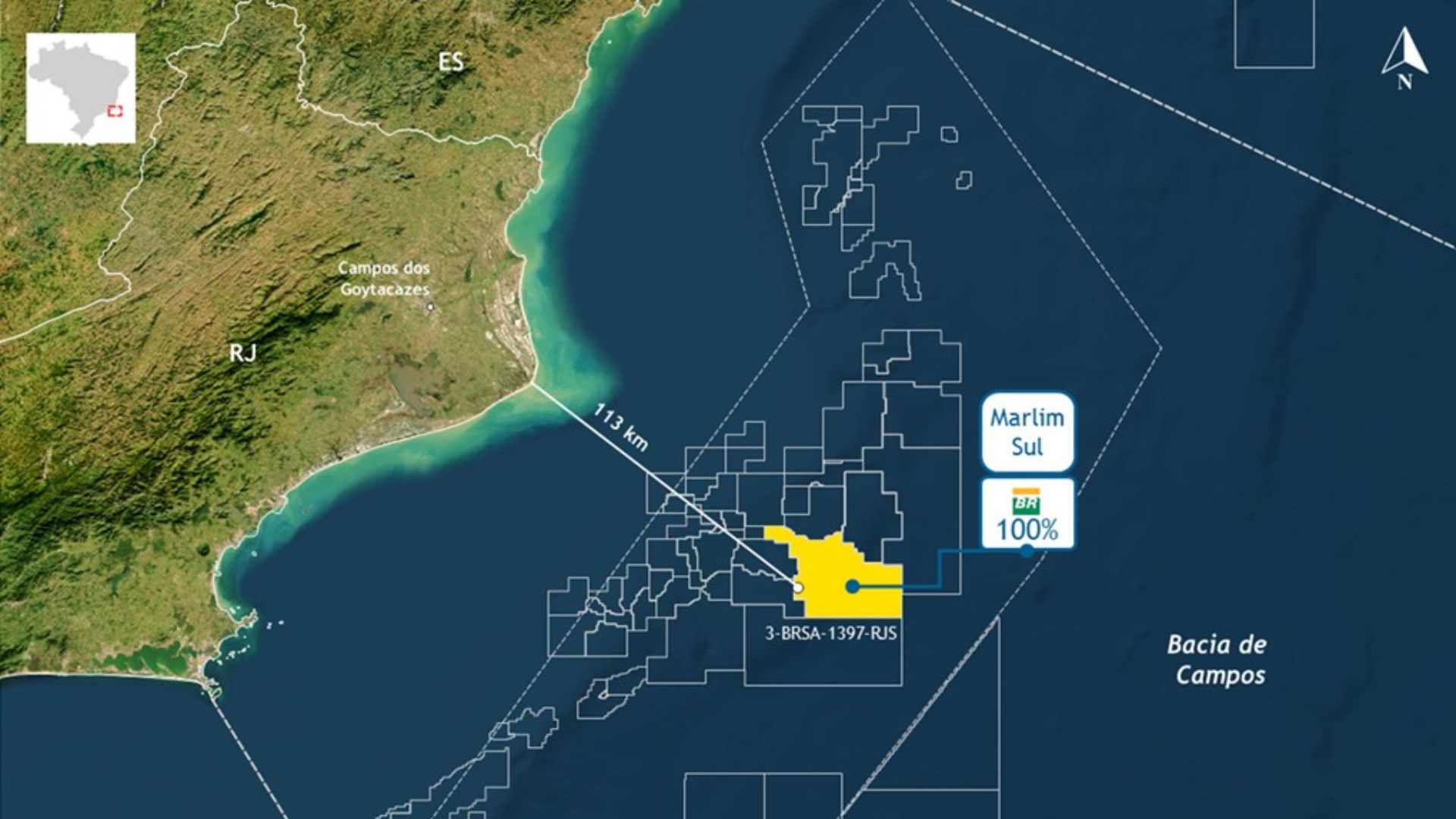
Petrobras announces new oil discovery in the pre-salt of the Campos Basin and reinforces Brazil’s prominence with high-quality reserves that can increase production and energy revenues.
-
Alert in the fuel market: Analysts and a former director of ANP warn that oil prices may worsen in the coming months due to global instability.
-
Ocyan brings executives and digital solutions to Macaé Energy 2026 and highlights offshore expansion with Nexio and a new base in Macaé.
-
Petrobras advances 4.6% with rising oil prices and the dollar, reigniting the debate on macro risks, pricing policy, and fiscal impact in Brazil.
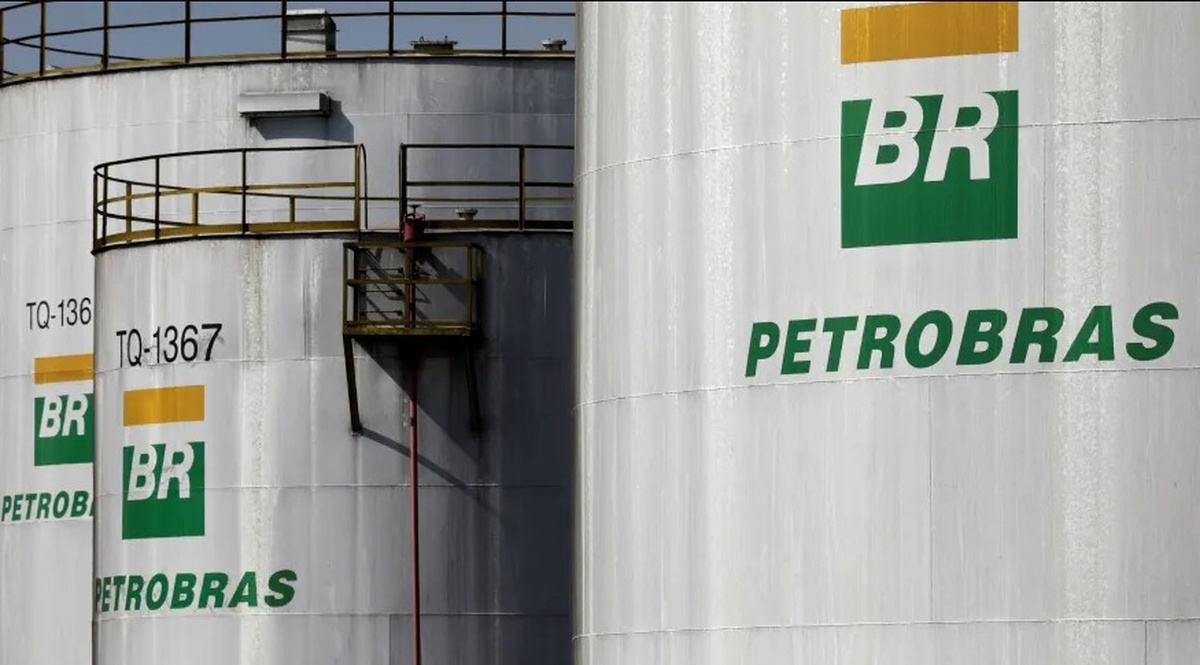

State-Owned Submarine Warehouse Is Equivalent to the Capital of Florianópolis (SC) or Porto Alegre (RS)
Currently, Petrobras has over 1,400 kilometers of flexible tubes, used in oil extraction, in the 360 square kilometers on the seabed. To give an idea of the scale, it’s as if the capital of Florianópolis (SC) or Porto Alegre (RS) were transformed into a marine depot.
The “submarine warehouse” began to be used by the state-owned company in 1991 (Corvina). Next came Pargo A and Pargo B in 1992, Garoupinha in 1998, Alsub in 1999, and Altemp in 2003.
According to the Federal Public Ministry, the Brazilian oil company halted the movement (launching and retrieval) of equipment in submarine warehouses in March 2016, but the items already stored were not removed.
IBAMA fined the company in September 2018 for conducting the activity without a license and imposed a fine of R$ 2.51 million. Both parties then began to negotiate a TAC for the decommissioning of the structures and environmental recovery. The MPF’s inquiry was initiated to conclude the negotiations.
Petrobras Has Until 2027 to Retrieve the Tons of Materials from Its Oil Platforms Disposed of in the Campos Basin – Rio de Janeiro
The decommissioning schedule provides for the total removal of the structures by December 31, 2027. Some equipment will be reused in other Petrobras projects, and what cannot be repurposed “must have final disposition appropriate to the environment,” according to the MPF.
The Public Ministry will monitor the compliance of each stage through semiannual reports. Since limestone algae banks are environments of slow natural recovery, parallel to the removal of the pipelines, the oil company will carry out environmental recovery projects for each area – in cases where projections indicate that recovery will not occur naturally by 2028.
Under the agreement, the environmental compensation to be paid by Petrobras, for the time that the submarine warehouses were used irregularly and for the damages caused, will be deposited within 120 days of the signing of the term.
The funds will be allocated to the Abrolhos Earth and Sea Fund, managed by the Brazilian Biodiversity Fund (Funbio) – a non-profit organization that works in partnership with government and private sectors and civil society to ensure that strategic and financial resources are allocated to effective biodiversity conservation initiatives.
Petrobras Positioning
Petrobras signed a Conduct Adjustment Term (TAC) for the removal of equipment and environmental monitoring of areas referred to as “Submarine Warehouses” in the Campos Basin, along the coast of Rio de Janeiro. The TAC, signed with the Federal Public Ministry (MPF), also provides for compensatory measures for the period during which the areas were used, set at R$20 million, which will be allocated to projects for the creation and strengthening of Marine Conservation Units (UC), managed by the Brazilian Biodiversity Fund (FUNBIO), a non-profit civil association responsible for promoting and managing various biodiversity conservation projects. The TAC provides for the total removal of equipment from the seabed by 2027.
Petrobras began its activities in the Campos Basin in 1977, using underwater areas for logistical support before regulations were established for environmental licensing for offshore exploration and production. These logistical support areas were used for the temporary storage of anchoring systems for platforms and flexible lines.
Since 2016, Petrobras has suspended the temporary placement of materials in these locations, due to the understanding expressed by IBAMA that these areas should be subject to specific licensing. Since then, Petrobras has begun negotiations for the celebration of a Conduct Adjustment Term (TAC).









Seja o primeiro a reagir!