





 Portuguese
  English
  Spanish
 6 min of reading
  0 comments


Petrobras Faces Impasses in Selling Shallow Water Oil Fields After ANP Blocks Production Tests, Increasing Decommissioning Costs and Delaying Strategic Divestments
Petrobras is facing serious obstacles in selling shallow water oil fields, according to an exclusive report published by Bloomberg Línea on Tuesday (4). The Brazilian state-owned company was looking to transfer part of its mature assets to smaller companies as part of its divestment strategy, but ran into regulatory and financial hurdles.
The National Agency of Petroleum, Natural Gas and Biofuels (ANP) rejected Petrobras’ requests for authorization to conduct production resumption tests in 13 offshore fields. Without this approval, the sale process was stalled.
Additionally, decommissioning costs—the dismantling and removing of old platforms—represent a massive financial challenge, estimated in billions of dollars. This combination of regulatory hurdles and high costs threatens the state-owned company’s divestment timeline.
-
Brazilian giant expands borders in the Southeast: Petrobras confirms new oil discovery in ultra-deep waters in the pre-salt of the Campos Basin.

-
Alert in the global energy market: Severe tropical cyclone hits the coast and disrupts gas production at major plants in Australia, threatening global supply.

-
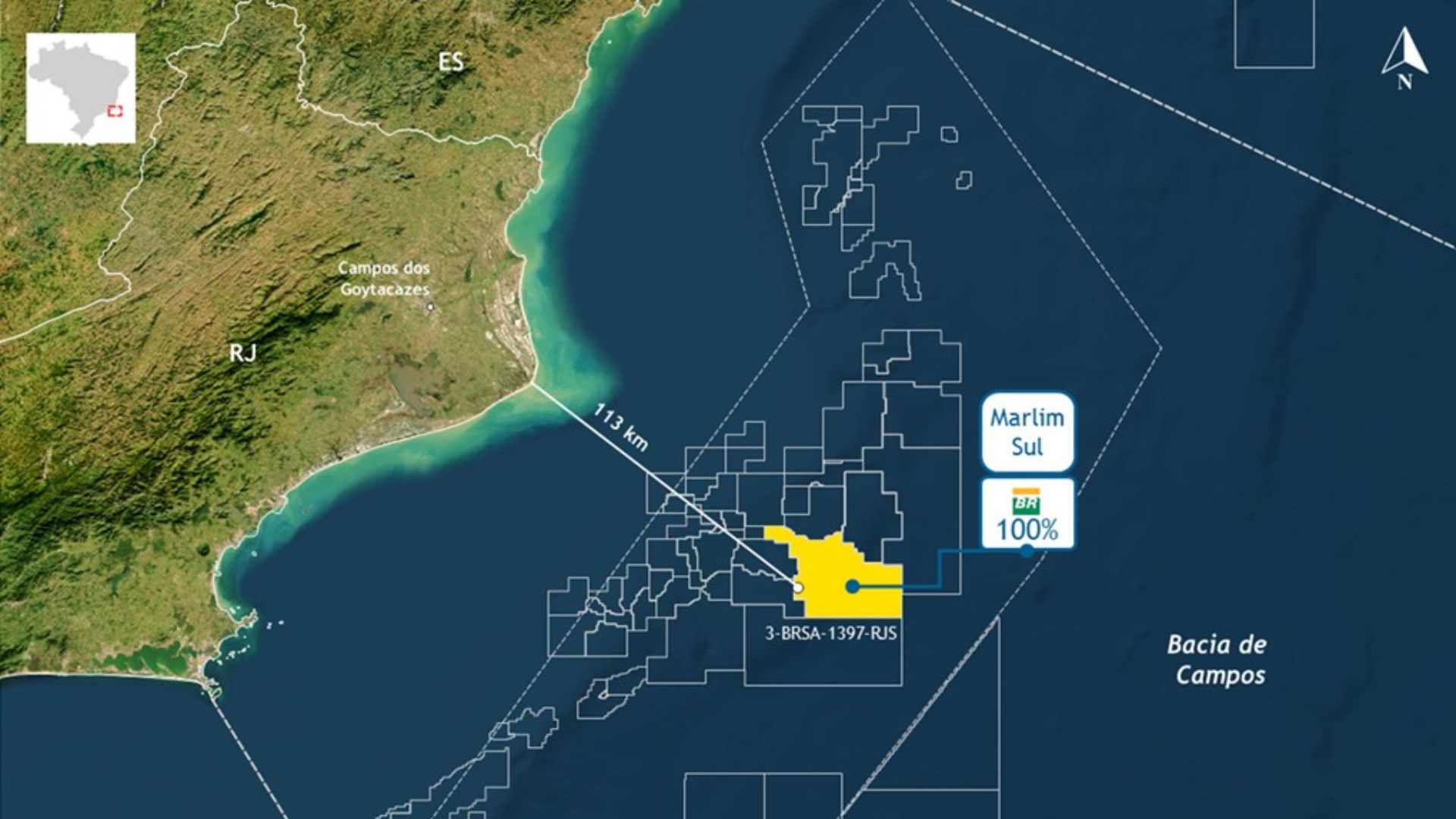
Petrobras finds high-quality oil in the pre-salt at 113 km from RJ and reignites expectations about strategic reserves in the Campos Basin.

-
Ocyan opens registrations for startups focused on innovation in the oil and gas sector and will select projects for Innovation Day with the support of Nexio.


Obstacles in Petrobras’s Field Sales
The Bloomberg Línea report reveals that Petrobras attempted to sell controlling stakes in a group of shallow water oil fields located near the coast of Sergipe.
The goal was to reduce liabilities related to the decommissioning of old platforms and free up resources for investments in more profitable deepwater and ultra-deepwater projects.
However, the plan suffered a significant setback. In August 2025, the ANP denied Petrobras’ request to test the resumption of production in 13 fields, a necessary step to demonstrate technical and commercial viability to potential buyers.
Without the tests, interested parties could not assess the true potential of the assets. The result was the failure of the sale negotiations, halting a process that was part of the company’s portfolio reduction strategy.
According to sources consulted by Bloomberg, the state-owned company is assessing the impact of the regulatory decision on its 2025–2029 business plan, which anticipates divestments in non-strategic assets.
Billion-Dollar Decommissioning Costs Pressure Petrobras
Decommissioning platforms is one of the major bottlenecks for companies operating in offshore production. In the case of Petrobras, the situation is especially sensitive: there are dozens of old units in the deactivation process, many of them in shallow water.
In the Sergipe region, for example, the dismantling of 26 platforms could cost around US$ 1.7 billion—according to internal estimates from the company cited by Bloomberg Línea.
This significant amount adds to a global trend. A study by consulting firm Wood Mackenzie predicts that offshore decommissioning costs will exceed US$ 15 billion per year by 2033, as more mature fields reach the end of their productive life.
These costs reduce the profitability of the assets and make the sale process even more difficult. Smaller companies that would be potential buyers tend to shy away from assuming such high liabilities.
Thus, Petrobras faces a dilemma: sell at a discount and retain some of the environmental responsibility, or fully bear the costs of shutting down operations.
ANP Reinforces Regulatory Rigor in Production Authorizations
The ANP’s denial of the resumption of production in shallow water fields reflects a more stringent stance by the agency regarding the technical and environmental conditions of the facilities.
According to Bloomberg, the decision occurred because some platforms had structural problems and operational risks. Additionally, the ANP considers it essential to ensure that operators fulfill their decommissioning and environmental restoration obligations before transferring assets to new companies.
This position follows a trend of greater regulatory control in the sector. The agency has been strengthening requirements for detailed abandonment plans, well restoration, and structure disposal, in order to avoid environmental liabilities and future losses to the government.
For Petrobras, this represents an additional obstacle, as it requires more upfront investments to adapt the fields before any new sales attempts.
Sales of Shallow Water Fields: Petrobras’s Strategy
The divestment strategy of Petrobras aims to reduce the company’s presence in mature and less profitable fields, focusing efforts in deep waters, where it has greater technological advantage and higher margins.
In 2023, Petrobras generated US$ 3.606 million from asset sales, according to its annual report. A significant portion of these resources came from the sale of stakes in onshore and offshore fields in mature basins, such as Potiguar and Campos.
However, the new phase of the program faces more resistance. In addition to technical and regulatory difficulties, there are political and environmental questions about the continuation of privatizations in the energy sector.
The federal government, the main shareholder of Petrobras, has advocated for a focus on energy sovereignty and sustainable transition. This may make divestment processes more selective and slower.
Nonetheless, experts assert that the decommissioning of assets is inevitable. Old platforms represent rising maintenance costs and environmental risks. Without willing buyers, the financial burden falls entirely on the state-owned company.
The Challenge of Costs and the Future of Divestment Policy
Petrobras has already incorporated part of the decommissioning costs into its Strategic Plan 2025–2029, which also includes investments in new energy fronts, such as biofuels and offshore wind.
According to industry analysts, the main challenge will be balancing investment in innovation and energy transition with the mandatory expenses of shutting down old operations. Additionally, the rising global costs of logistics and specialized labor for decommissioning further pressure the budget.
Estimates from Offshore Energies UK (OEUK) indicate that offshore decommissioning costs have risen by between 10% and 15% since 2020. For Petrobras, each delay in sale processes means more operational expenses, impacting cash flow and investment predictability.
Repercussions and Next Steps in the Brazilian Energy Market
Although Petrobras has not publicly detailed the financial effects of the ANP’s decision, sources consulted by Bloomberg Línea state that the company is considering reviewing its asset divestment schedule and seeking partnership alternatives.
One possibility is to form consortia with medium-sized companies that could take on part of the fields under specific conditions. Another option is to resubmit the assets in future ANP bidding rounds, already adjusted to safety and decommissioning standards.
The agency, for its part, signaled that it might include some of these fields in permanent offer announcements, allowing new operators to re-enter after meeting environmental requirements.
For investors, this episode serves as a warning about the high cost of mature assets and the regulatory complexity of the Brazilian oil sector. The shallow water market, once viewed as an opportunity, is becoming increasingly challenging.
Analysts also highlight that the ANP’s stance reinforces the country’s regulatory credibility, which is essential for attracting long-term investments. However, in the short term, the deadlock is likely to slow Petrobras’s divestment pace and pressure its financial results in the exploration and production segment.
Outlook for Petrobras and the Oil Sector in Brazil
The case highlights the dilemma faced by major oil producers worldwide: how to balance divestments, energy transition, and environmental responsibility.
Petrobras, although it has the technical expertise and resources to execute large-scale projects, faces structural limitations when it comes to the end-of-life for old assets.
With shallow water oil fields becoming less productive and decommissioning costs rising, the company needs to reassess its long-term strategies. Any potential slowdown in sales could affect not only cash flow but also the pace of renewal of its exploration matrix.
Experts anticipate that in the coming years, Petrobras will seek new partnership models with private companies and investment funds, sharing risks and environmental responsibilities.
In a global scenario of energy transition, the state-owned company will need to reconcile its decarbonization goals with the legacy of offshore infrastructure. The company’s future will depend on its ability to manage this balance — between productive past and the cost of closure.








Seja o primeiro a reagir!