





 Portuguese
  English
  Spanish
  3 min of reading
  0 comments



Petrobras Awaits IBAMA’s Approval to Conduct Simulated Emergency Tests in the Equatorial Margin. The Pre-Operating License Is the Last Step Before the Start of Exploratory Drilling in One of the Country’s Most Promising Regions. The Environmental Support Center in Oiapoque Is Ready for Inspection.
Petrobras is getting closer to unlocking one of the most strategic projects of the decade: drilling oil wells in the Equatorial Margin, an extensive maritime strip that stretches from Amapá to Rio Grande do Norte. The state-owned company hopes to obtain the pre-operating license (APO) required by IBAMA in April to begin work this year.
This license will allow the company to conduct emergency simulations, such as oil leaks, and test its response protocols, including the operation of equipment and attention to coastal wildlife. A central point for approval is the veterinary center in Oiapoque (AP), which has already been built and will be inspected by IBAMA technicians in the coming days.
The Race for Energy in Northern Atlantic Brazil
The Equatorial Margin covers five major sedimentary basins: Foz do Amazonas, Pará-Maranhão, Barreirinhas, Ceará, and Potiguar. The region is pointed out by geologists as one of the new oil frontiers, with potential similar to that of the coast of Guyana, where companies like ExxonMobil have already made billion-dollar discoveries.
-
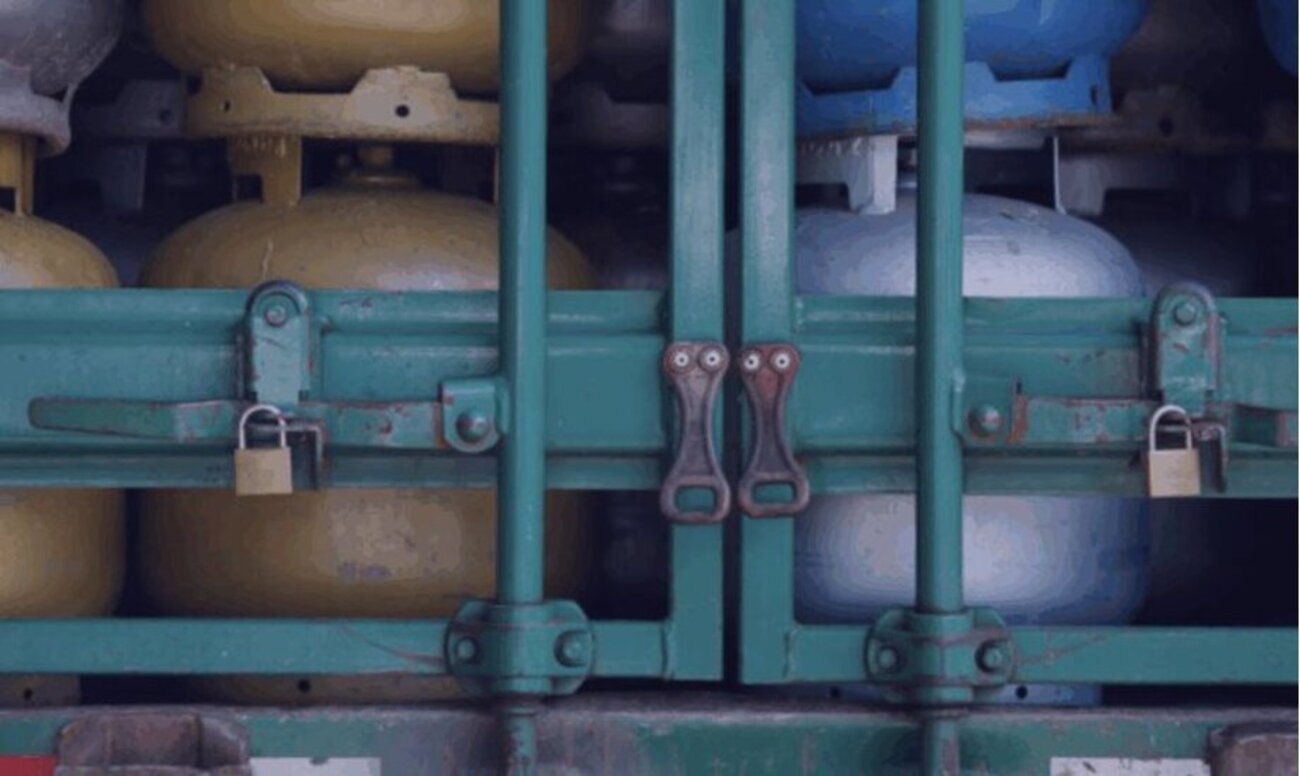
Petrobras evaluates suspension of sales to distributors and considers canceling the cooking gas auction following guidelines from the Federal Government.
-
Lula reveals a masterstroke by Petrobras to undo a deal made by Bolsonaro, which involves the return of an important refinery that currently produces less than half of what was expected and makes Brazil dependent on international diesel.

-
A study confirms that the natural gas sector will reduce greenhouse gas emissions in Brazil by 0.5% and accelerate the energy transition by 2026.

-
Petrobras implements a severe adjustment and confirms a 55% increase in the price of aviation kerosene with a proposal for installment payments for the companies.


Petrobras, which has been losing ground in new discoveries, sees this project as essential to maintaining national production stable for the next 10 to 15 years. The plan is to begin exploratory drilling from the Foz do Amazonas basin, right after the completion of the operational tests required by the license.
A Journey Marked by Environmental Impasses
In May 2023, IBAMA denied Petrobras’s initial request to start drilling, arguing that the emergency plans were incomplete and that there were insufficient guarantees for the protection of marine biodiversity. Since then, the state-owned company has adapted its protocols, developed new environmental support centers, and revised the risk analysis of operations.
Despite the advances, the project still faces resistance. Environmental organizations and indigenous communities from the coastal Amazon have been calling for more in-depth studies, fearing that oil activity could threaten the region’s unique ecosystems.
Federal prosecutors warn of potential flaws in the licensing process and recommend caution in granting final authorizations.
What Petrobras Says
The company’s president, Magda Chambriard, stated that Petrobras is ready to execute the project with total environmental responsibility. According to her, the company has met all technical requirements of IBAMA and has made significant investments to ensure that the process is as safe as possible.
“This is an area that could be essential for ensuring Brazil’s energy self-sufficiency in the coming decades,” Magda said in a recent interview. “Petrobras will not advance without following all environmental safety protocols.”
And Now?
The final decision on the pre-operating license for the Equatorial Margin rests with IBAMA’s president, Rodrigo Agostinho. There is no defined timeframe, but Petrobras expects a decision by the end of April.
In the meantime, the state-owned company’s teams continue to be mobilized to finalize the last logistical and environmental adjustments. If approved, the operation could begin as early as 2025 — paving the way for a new era of oil exploration in the North of the country.










Seja o primeiro a reagir!