





 English
  Francês
  Alemão
  Italiano
  Japonês
  Norueguês
  Portuguese
  Spanish
  4 min of reading


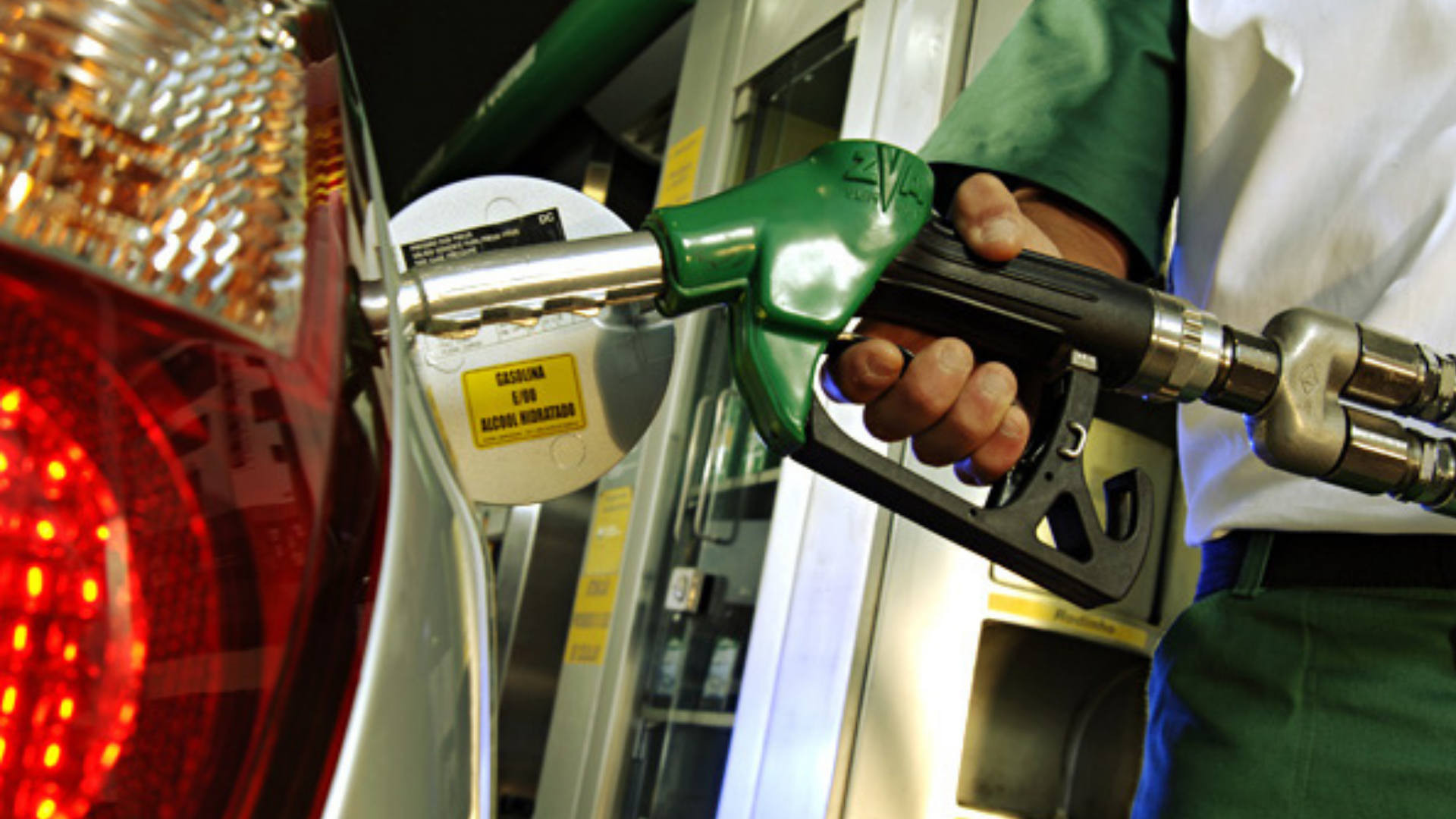
The CEO And Other Executives Of Petrobras Said That There Were No Changes In The Pricing Policy Of Fuels And That It Continues To Follow Indicators
Executives from Petrobras presented yesterday, Monday (the 27th), in an emergency press conference, explanations about the formation of fuel prices, the increase of which was mentioned earlier by President Jair Bolsonaro at a ceremony in Brasília as one of the factors driving inflation. The Executive Director of Trading and Logistics, Cláudio Mastella, said that Petrobras is evaluating raising fuel prices at its refineries. Read Also This News: Fuels – Petrobras Says New Competitors in Oil Refineries May Help Lower Prices for Consumers
- In Macaé, Recruitment Company Calls for More Than 60 Mid-Level and Technical Professionals for Offshore Job Vacancies
- Ford Will Invest US$ 11.4 Billion to Produce Electric Vehicles
- the Government of Espírito Santo Freezes ICMS on Gasoline, Cooking Gas, and Diesel Oil
- Pepsico Calls for Students from All Undergraduate Courses for Positions in Its 2022 Trainee Program
- CAB Motors Will Invest R$ 100 Million in Building a New Jeep Factory in Santa Catarina
Possible Increase in Fuels
Mastella, an executive from Petrobras, pointed out that significant changes occurred in the international market in recent months, but that much of it was offset by exchange rate fluctuations in the opposite direction. However, a reduction in oil supply, especially in the United States, and a prospect of rising international energy demand have driven prices up. “As a result, we are looking more closely and carefully at the possibility of adjusting fuel prices,” said Mastella.
“Currently, the prices of some derivatives are indeed lagging, which means we are evaluating a price adjustment. This assessment is internal, technical, and depends on scenario analysis… we do not make decisions based on the current price lag but on this lag and the expectation of its evolution or maintenance.” The director emphasized that there are currently actors importing into Brazil, signaling that Petrobras prices are not “disconnected” from the market.
-
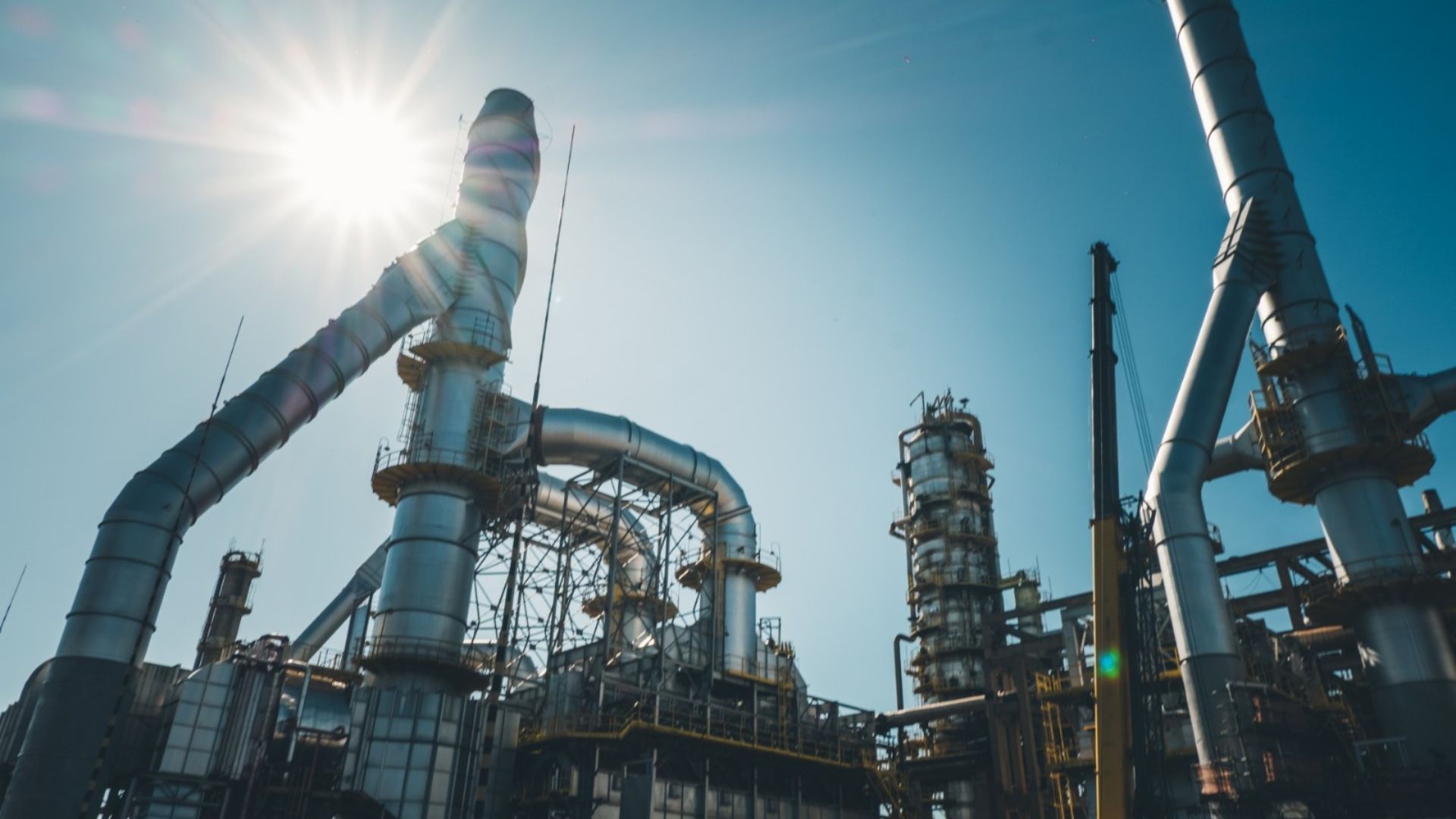
Petrobras Expands Refining in Brazil, Increases Production of Diesel S-10 and Gasoline, Enhances Operational Efficiency, and Reduces Import Dependence Between 2023 and 2025
-
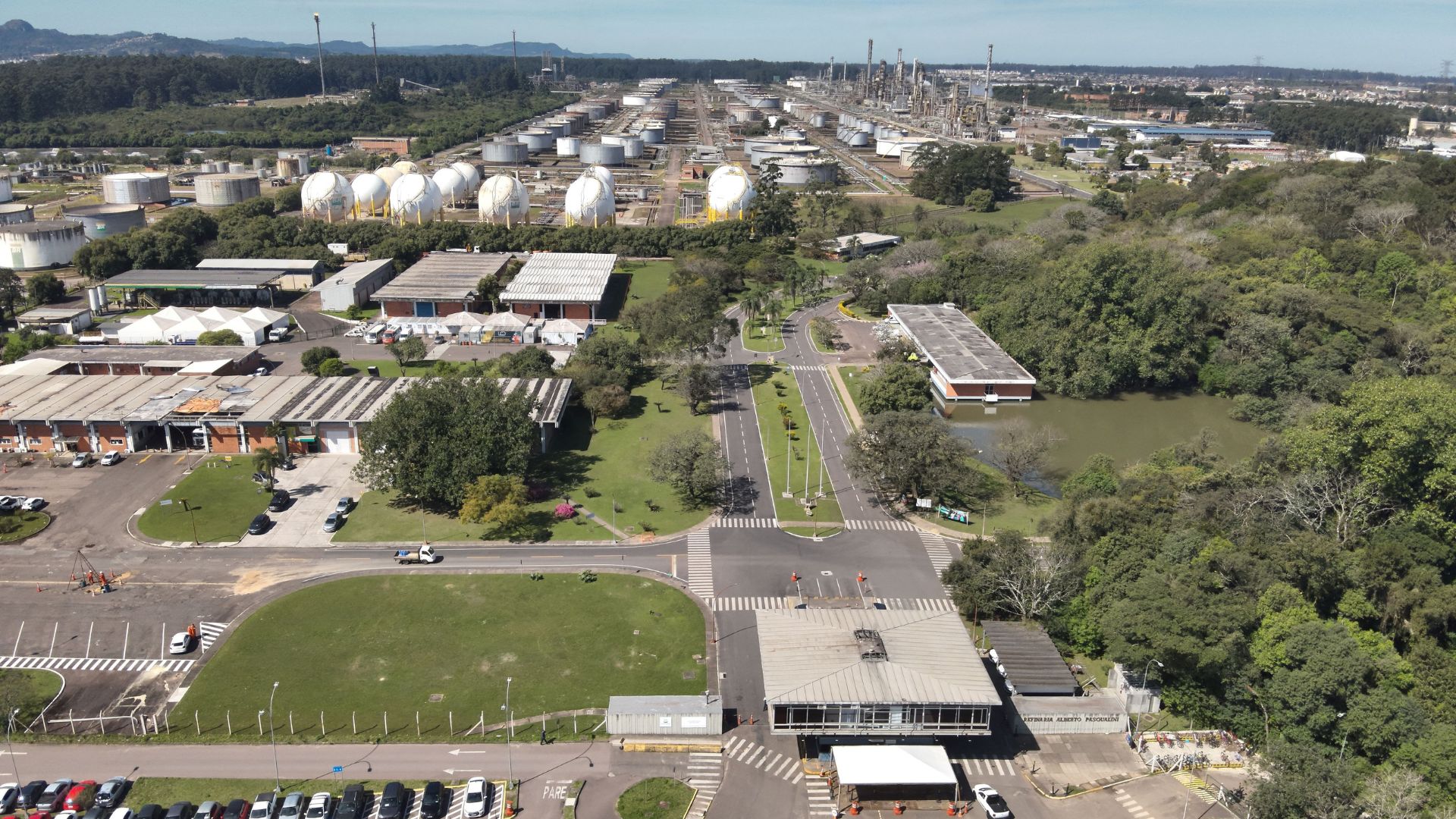
Petrobras’ Refap Sets Historic Records for Gasoline and S-10 Diesel Production in Canoas in Q4 2025, Surpassing Previous Figures
-
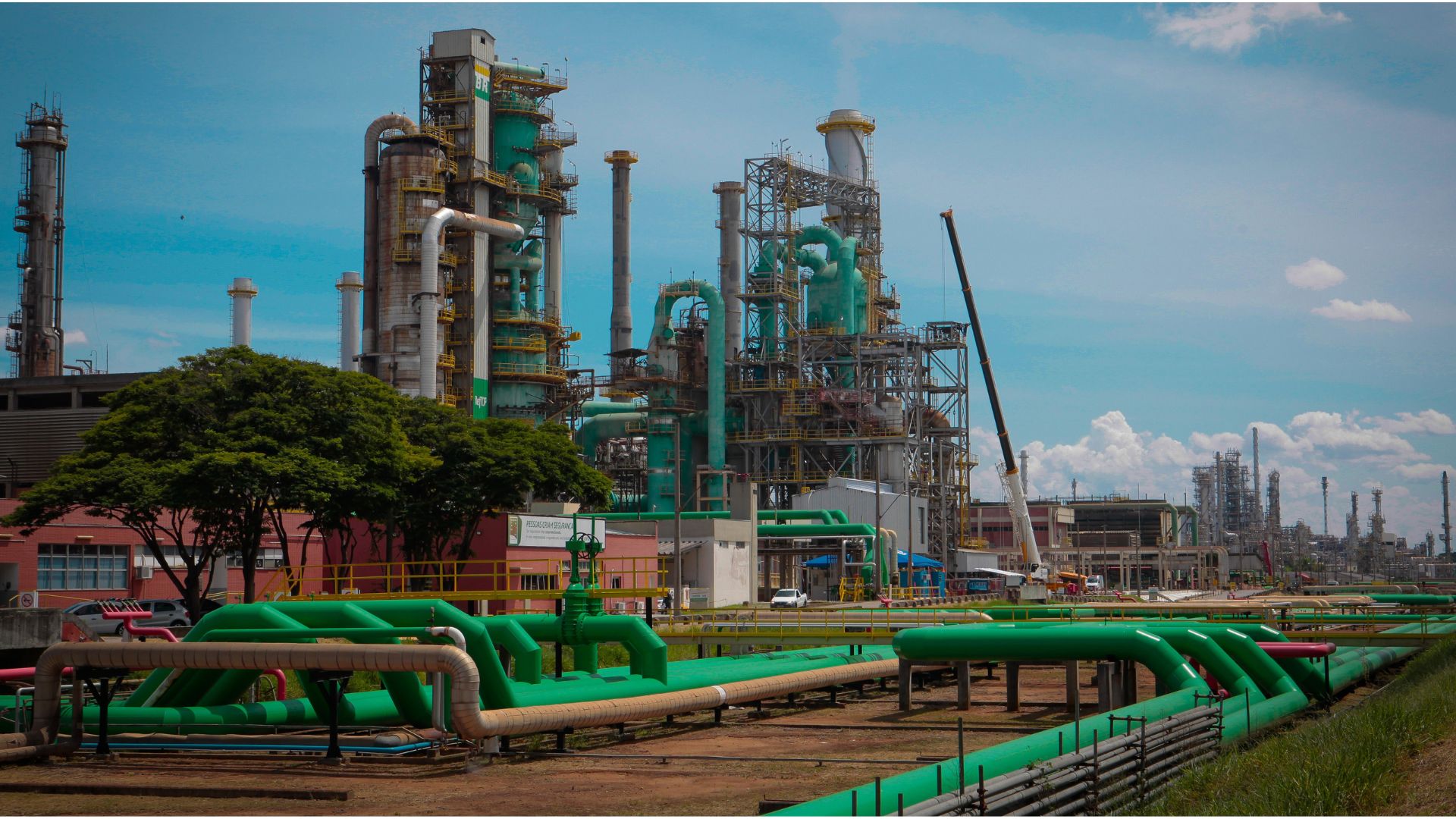
Revap Starts Operation of Modernized HDT and Petrobras Expands S-10 Diesel Production by 80% at the Refinery, Boosting Supply of Less Polluting Fuel in Brazil
-
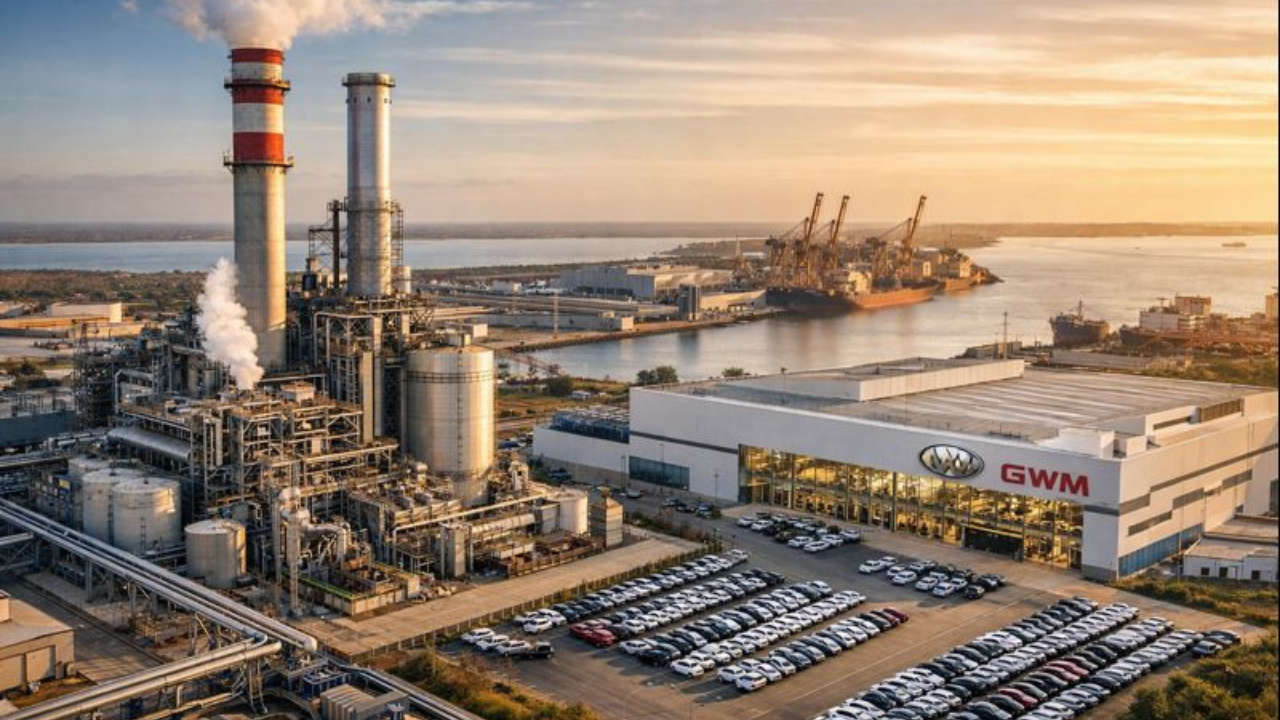
Thermal Power Plant in Rio Grande do Sul Is Key to Attracting GWM

Petrobras Announced Today (09/28) That It Will Adjust Diesel Prices
In a statement published this morning, Petrobras announced that after 85 days of stable prices, during which the company avoided immediate pass-through to internal prices due to external volatility caused by conjunctural events, Petrobras will adjust the price of Diesel A for distributors.
According to the state company, this adjustment is important to ensure that the market continues to be supplied on economic bases and without risk of shortage by the different actors responsible for serving various Brazilian regions: distributors, importers, and other producers, in addition to Petrobras. It reflects part of the increase in international oil price levels and the exchange rate. Thus, starting Wednesday (09/29), the average selling price of Diesel A by Petrobras for distributors will rise from R$ 2.81 to R$ 3.06 per liter, reflecting an average increase of R$ 0.25 per liter.
Check Out This News: Sales of Petrobras Refineries May Be Delayed Due to the Risk of Interference in Fuel Prices
In an interview with epbr, the Executive Director of Exploration and Production at Petrobras, Fernando Borges, emphasizes that the risk of interference in fuel prices is a factor that has delayed the sale of Petrobras refineries. The executive says that it is necessary to preserve the competitiveness of the oil and gas industry, which requires freedom in price formation.
Fernando Borges, in addition to advocating for the preservation of the competitiveness of the oil and gas industry, which requires freedom in price formation, also emphasizes the need to maintain the current local content policy and government participation, which includes taxation and royalties based on production value. The executive director also mentions that this is one of the risks that is making it difficult for Petrobras to sell its refineries. This history of interference in Brazil is long, and when there is a change of government, there may be another that believes controlling prices is the solution.
He further states that the market perception is that, in fact, the risk affects the value of the refineries. Out of the eight units for sale, Petrobras has sold one – RLAM, in Bahia – and decided to restart the bidding for Repar, in Paraná, precisely because the proposals fell significantly below expectations.







Seja o primeiro a reagir!