





 Portuguese
  English
  Spanish
  5 min of reading
  0 comments


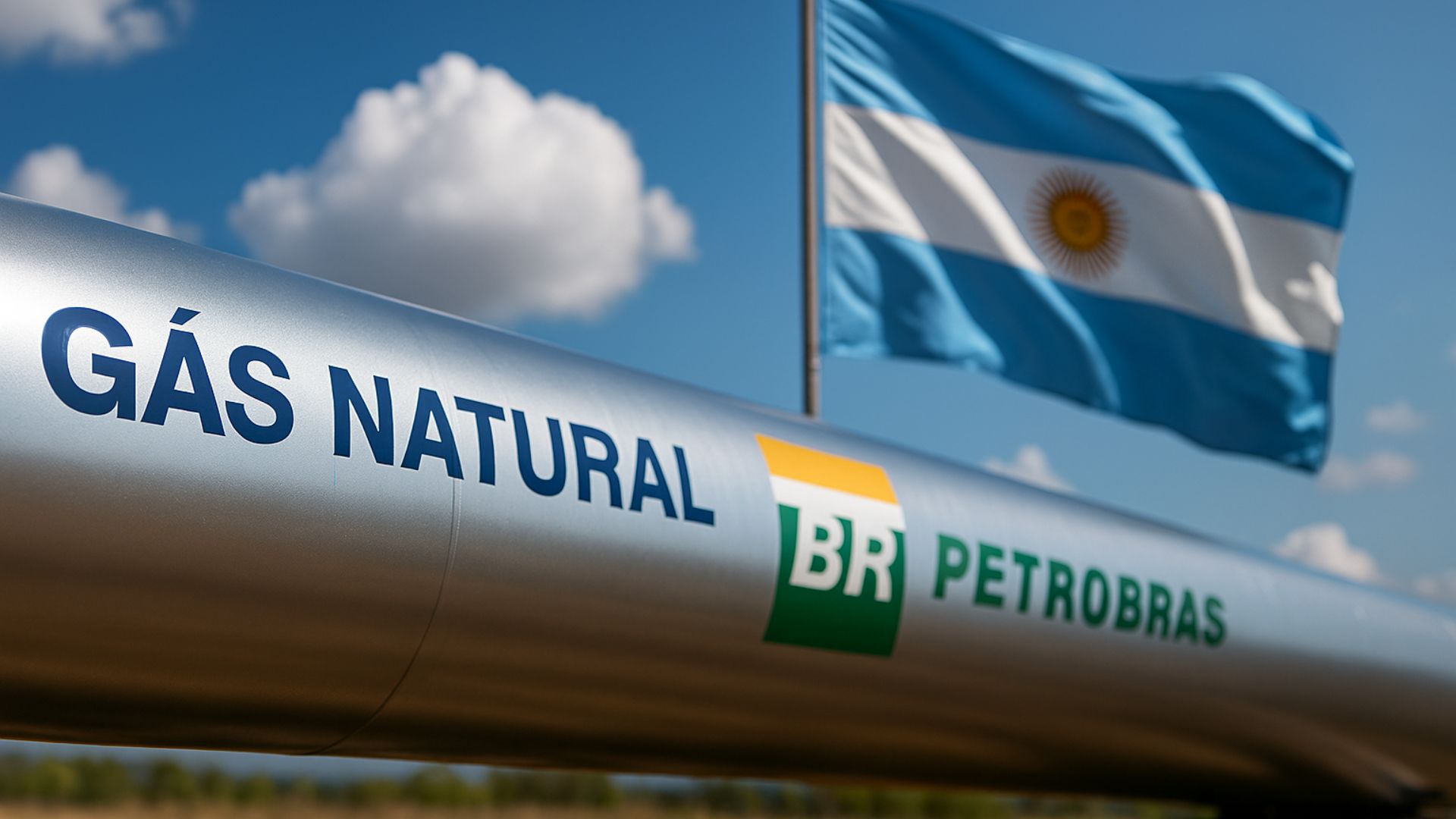
Petrobras Expands Its Energy Integration by Starting the Import of Natural Gas from Argentina. The Operation with Vaca Muerta Reinforces Supply Security and Provision to Brazil.
The Agency Petrobras announced this Monday (6) that the state-owned company has completed its first import of natural gas from Argentina, marking a strategic advancement in South American energy integration.
The gas, extracted from the Vaca Muerta formation, was transported by pipelines to Bolivia and then to Brazil. The operation involved 100,000 cubic meters of natural gas and was carried out in partnership with Pluspetrol and the Petrobras subsidiary Operaciones S.A. (POSA).
Energy Expansion: Brazil Connects to Argentina via Vaca Muerta
The operation represents a logistical and commercial milestone for the Brazilian energy sector. Petrobras, through POSA, holds a 33.6% stake in the Rio Neuquén field in Argentina, where unconventional gas production is concentrated. The integration of infrastructure between the two countries allows Brazil to directly access gas produced in Vaca Muerta, considered one of the largest shale gas reserves in the world.
-
Brazilian giant expands borders in the Southeast: Petrobras confirms new oil discovery in ultra-deep waters in the pre-salt of the Campos Basin.

-
Alert in the global energy market: Severe tropical cyclone hits the coast and disrupts gas production at major plants in Australia, threatening global supply.

-
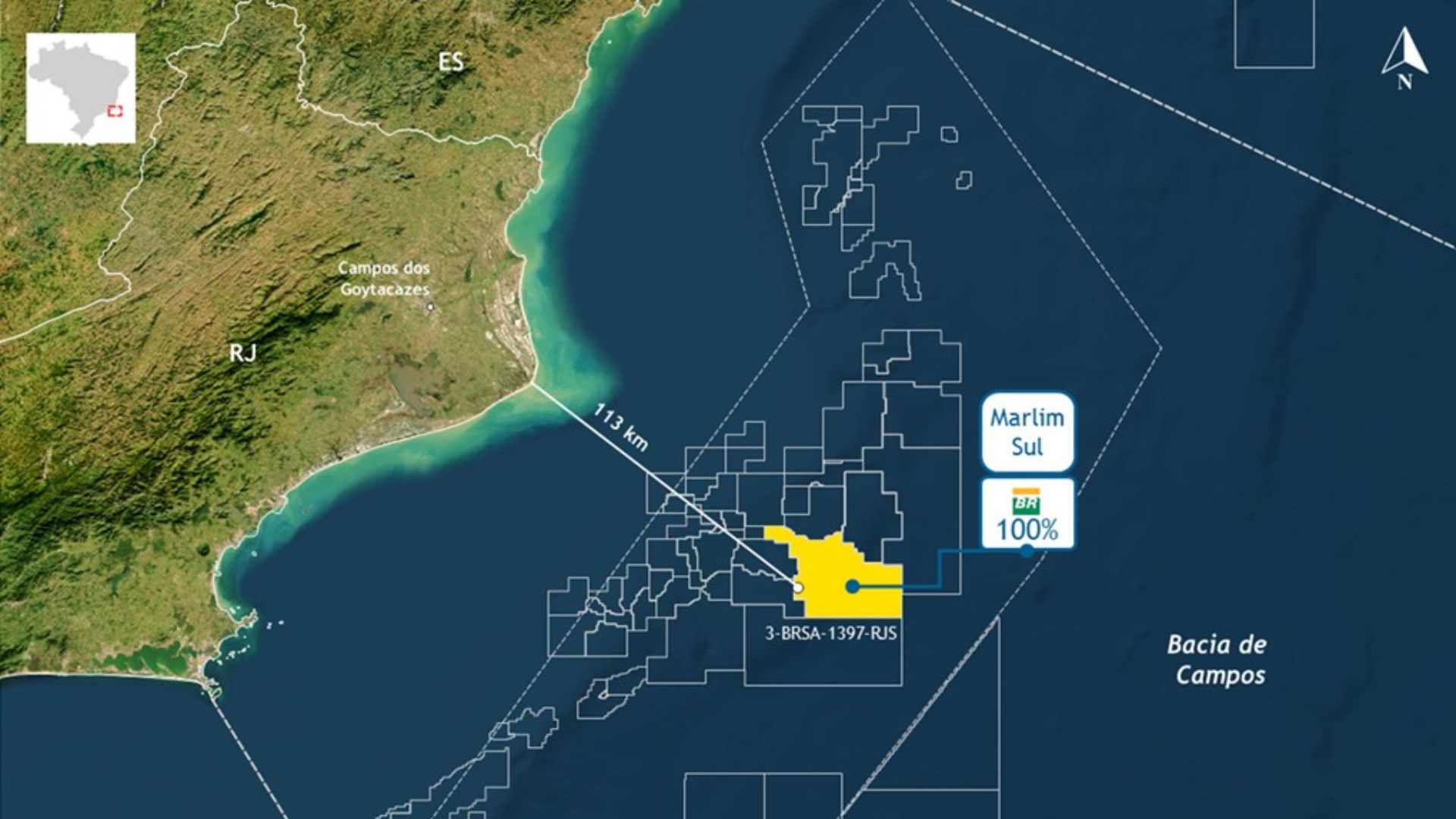
Petrobras finds high-quality oil in the pre-salt at 113 km from RJ and reignites expectations about strategic reserves in the Campos Basin.

-
Ocyan opens registrations for startups focused on innovation in the oil and gas sector and will select projects for Innovation Day with the support of Nexio.


Additionally, the signed contract provides for the possibility of importing up to 2 million cubic meters of natural gas in an interruptible mode, that is, with flexible supply according to demand and availability.
Argentinian Natural Gas: Strategic Alternative for Petrobras
The arrival of natural gas from Argentina to Brazil represents a cheaper and strategic alternative for the national industry. With the decline in Bolivian production, the country sought new sources to meet its growing demand. The geological formation of Vaca Muerta, located in the Neuquén Basin, is rich in shale gas and oil and has been intensely explored in recent years.
According to data from the National Agency of Petroleum (ANP), Brazil produced 160.8 million cubic meters per day of natural gas in January 2025, but reinjected 55% of that volume into the wells, which highlights the need to diversify supply sources.
The import from Argentina helps reduce dependence on traditional sources and expands national energy security.
Infrastructure and Logistics: Pipelines Connect Argentina, Bolivia, and Brazil
The operation involved a complex network of pipelines connecting Argentina, Bolivia, and Brazil. Gas was initially transported from Argentina to Bolivia using the infrastructure of the Bolivian state company YPFB. From there, it continued to Brazil, utilizing the existing network that was previously used for Bolivian gas.
This logistical interconnection was made possible through commercial agreements between Petrobras, Pluspetrol, and Gas Bridge Comercializadora, as well as collaboration with YPFB. The Director of Energy Transition and Sustainability at Petrobras, Angélica Laureano, emphasized that the implemented logistical and commercial strategy enables a new route for the importation of natural gas into Brazil, reinforcing the company’s commitment to sustainable development in the sector.
Vaca Muerta: Argentina’s Energy Potential
The Vaca Muerta formation is considered one of the largest unconventional gas reserves on the planet. The shale gas extracted from the region has been a bet of the Argentine government to boost its energy trade balance. The technique used, known as fracking (hydraulic fracturing), allows for the extraction of gas trapped between rocks, although it involves significant environmental challenges.
Growing production in Argentina, combined with transportation infrastructure, positions the country as a strategic supplier for Brazil. With market-friendly policies, the Argentine government has encouraged exports and attracted investments in the energy sector.
According to data from the Argentine Ministry of Energy, Vaca Muerta already accounts for about 40% of the country’s total gas production, with expectations of continuous growth in the coming years.
Petrobras in Argentina: Consolidated and Strategic Presence
Petrobras maintains production operations in Argentina through POSA, focusing on fields like Rio Neuquén. Production is predominantly from unconventional reservoirs, such as Punta Rosada and Lajas. This presence allows the Brazilian state-owned company to directly access gas produced in Argentine territory, without relying exclusively on third parties.
The import operation carried out in October 2025 is a direct result of this strategic presence, enabling new commercial routes and strengthening Brazil’s energy security.
Additionally, Petrobras signed a Memorandum of Understanding in April 2024 with the Argentine state-owned company Enarsa, aiming for joint studies in the natural gas segment, further reinforcing bilateral cooperation.
Petrobras Initiative: Impacts on Brazil
Diversifying natural gas sources is essential to ensure Brazil’s energy security. With the reduction in Bolivian production and the increase in domestic demand, the country needs to seek competitive and sustainable alternatives.
The import of gas from Argentina via Vaca Muerta represents an important step to reduce costs, increase supply, and strengthen the national industry. Furthermore, it opens the door for future partnerships and investments in energy infrastructure, such as new pipelines and distribution terminals.
According to the Ministry of Mines and Energy, natural gas consumption in Brazil grew by 6.2% in 2024, driven mainly by the industrial and electricity generation sectors. The new supply source may help stabilize prices and ensure continuous supply.


Natural Gas and Regional Integration: A New Chapter for South America
The first import of natural gas from Argentina by Petrobras is a historic milestone for the Brazilian energy sector. The operation, made possible by logistical integration between Argentina, Bolivia, and Brazil, reinforces the importance of regional cooperation and diversification of sources.
With Vaca Muerta gas, Brazil gains a strategic alternative to meet its demand, reduce costs, and strengthen its industrial competitiveness. Petrobras’s presence in Argentina and the commercial agreements signed demonstrate the state-owned company’s commitment to energy security and sustainable development.
This operation is just the beginning of a new era of energy integration in South America. The trend is that new imports will occur as commercial opportunities are identified, consolidating the partnership between the countries and promoting greater stability in the natural gas market.








-

Uma pessoa reagiu a isso.