





 Português
  Inglês
  Espanhol
  3 min de leitura
  65 comentários


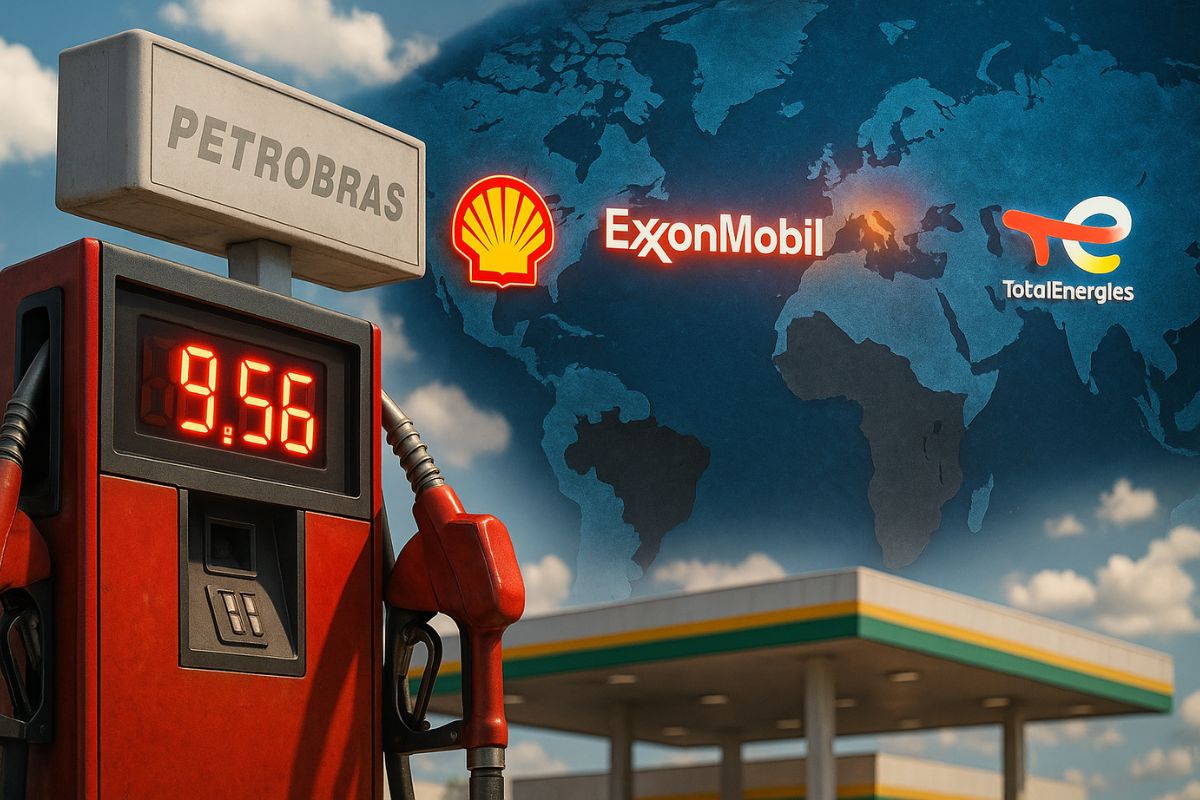


Among 16 Largest Oil Companies, Only 3 Do Not Operate in Distribution. Survey Shows That Petrobras, Equinor, and QatarEnergy Are Out of the Segment, While Global Giants Expand Presence.
A study by the Institute for Strategic Studies in Oil, Natural Gas, and Biofuels (Ineep) revealed that among the 16 largest oil companies in the world, only three do not operate in fuel distribution: Petrobras, Equinor, and QatarEnergy. This data exposes a strategic difference compared to major global companies, which use integration between exploration, refining, and distribution to mitigate risks and enhance competitiveness.
In the Brazilian case, Petrobras was prevented from participating in this market after the privatization of BR Distribuidora, according to Monitor Mercantil, completed in 2019. The company, renamed Vibra, will continue to use the BR brand at its stations until 2029, but without an operational link to the state-owned company.
Impact of Petrobras’ Absence in Distribution
The exit of Petrobras from distribution had direct effects on the sector and on consumers’ wallets. Without the state-owned company’s presence, Brazil lost the ability to influence the price of derivatives outside refineries, limiting the impact of reductions made by the company.
-
Brazilian city gains industrial hub for 85 companies that is equivalent to 55 football fields.

-
Peugeot and Citroën factory in Argentina cuts production by half and opens a layoff program for more than 2,000 employees after Brazil drastically reduced purchases of Argentine vehicles.

-
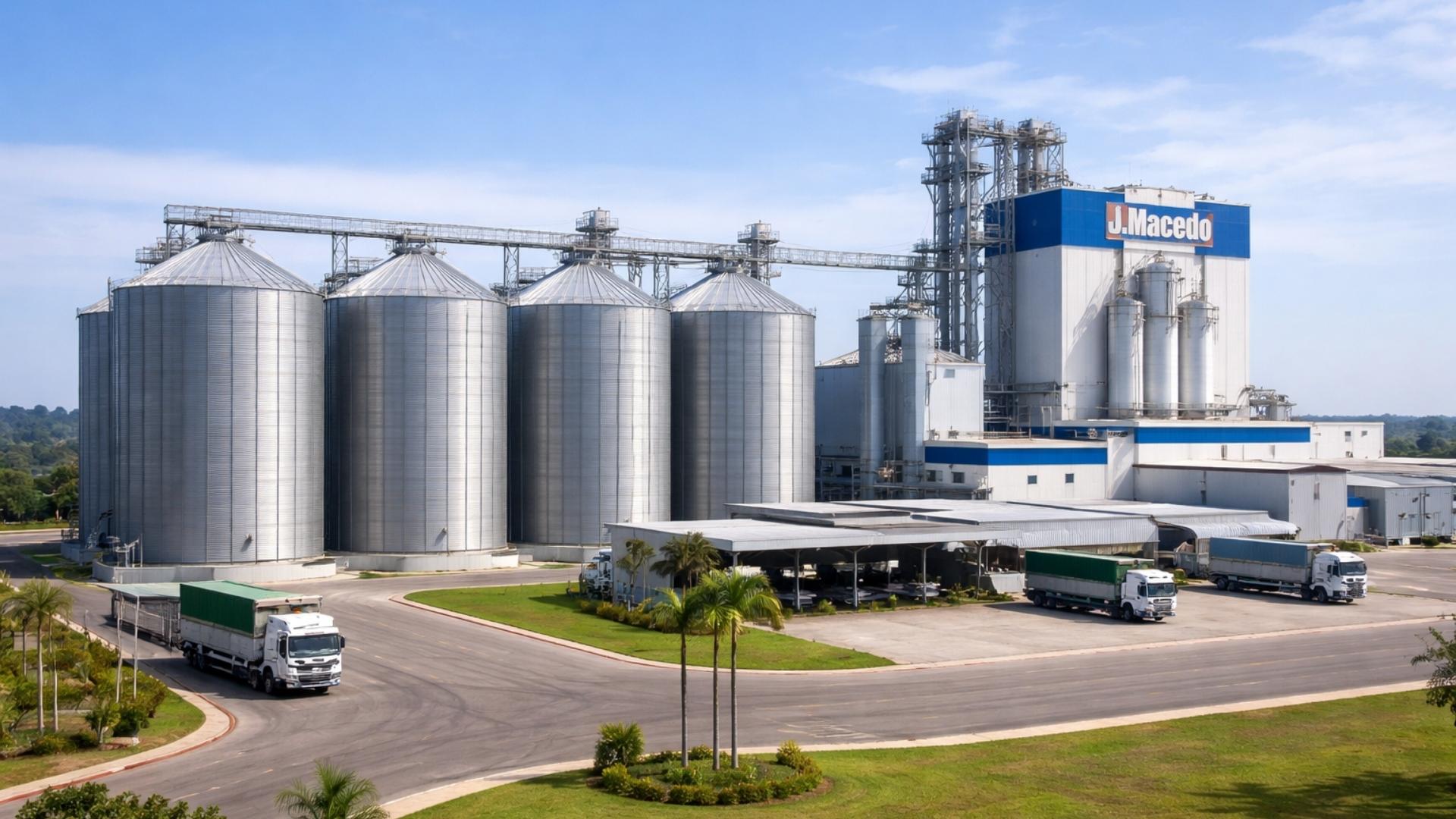
A Brazilian city gains a factory worth R$ 300 million with the capacity to process 200 thousand tons of wheat per year, a mill of 660 tons/day, silos for 42 thousand tons, and an industrial area of 276 thousand m².
-
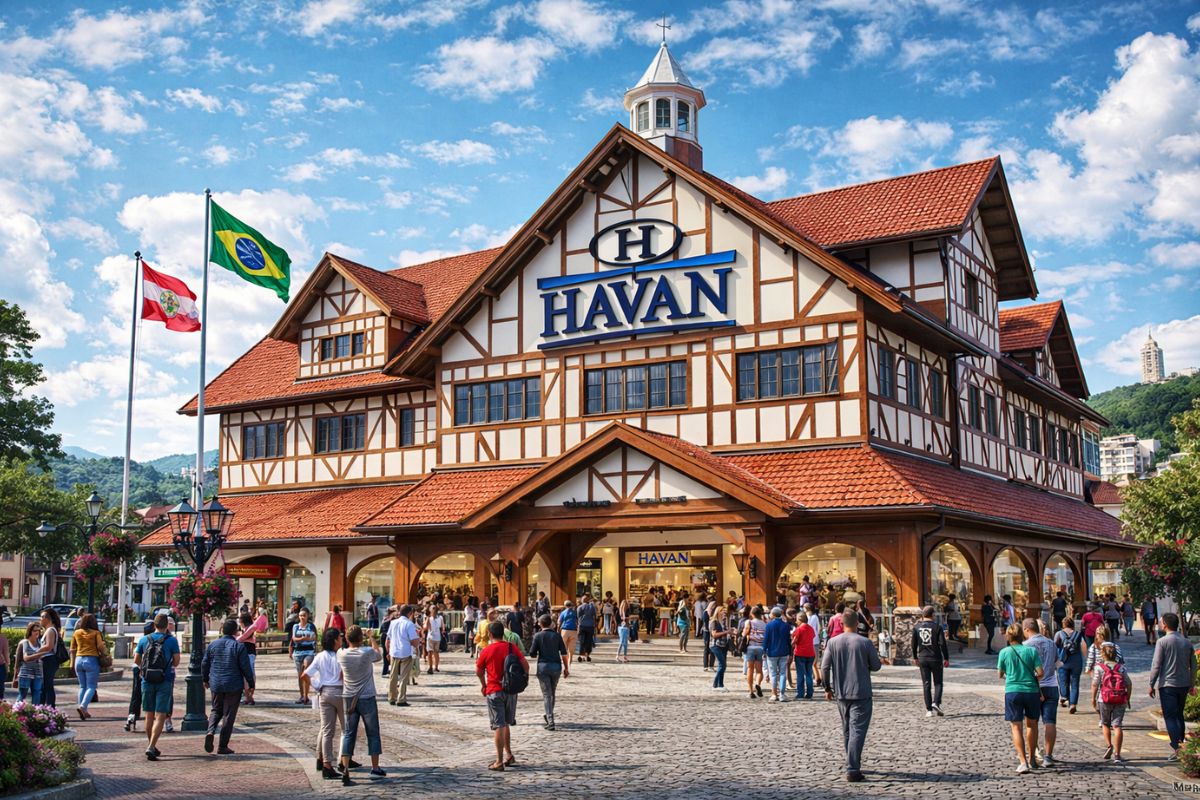
Havan will leave the shopping mall in Blumenau to inaugurate something that the chain has never done before: a megastore in half-timbered style in the Historic Center of the city, which is expected to be completed in May and change the landscape of local retail.

Data from the National Agency of Petroleum (ANP) confirms this distortion: between January 2023 and April 2025, while diesel prices dropped 23.9% and cooking gas fell 17% at Petrobras refineries, consumer prices saw minimal declines or even increases. During the same period, gasoline sold to drivers rose 25.5%, indicating that margins in distribution have significantly affected the final cost.
How the 16 Largest Oil Companies Operate
Of the 16 giants analyzed, 13 maintain integrated operations in fuel distribution, utilizing stations, proprietary networks, and participation in downstream companies to consolidate results. This model creates a cushion of balance: potential losses in exploration and refining can be offset by margins in resale.
In Brazil, however, the absence of Petrobras contrasts with practices adopted by companies like Shell, ExxonMobil, and TotalEnergies, which reinforce their global presence in fuel retail. According to experts, this limitation reduces the country’s autonomy in times of crisis and increases dependence on private intermediaries.
Economic Consequences for Consumers
The Single Federation of Oil Workers (FUP) advocates for the state company to return to the distribution segment. For the organization, the lack of an integrated company weakens national coordination and exposes consumers to international price volatility.
Furthermore, the high cost of fuel directly impacts transportation, food, and logistics, increasing inflationary pressure and unevenly affecting different sectors of the economy. According to experts, the partial market control limits Petrobras’s potential to act as a public policy instrument.
The announcement that Petrobras may resume its participation in the LP Gas (cooking gas) market was seen as a step forward, but full return to liquid distribution remains blocked until 2029, according to the contract signed during privatization. This barrier, inherited from the previous government, is identified as one of the main obstacles to energy sovereignty and social control over prices.
And you, do you believe Petrobras should return to distribution alongside the 16 largest oil companies? Would this change directly impact fuel prices for consumers? Share your opinion in the comments.









O Brasil tem de iniciar urgentemente um processo de recuperação da BR Distribuidora para impactar pra baixo o preço dos combustiveis. Os traidores de Patria cometeram o crime de entregar a Petrobras Distribuidora nas mãos da iniciativa privada. O resultado é esse, controle total dos preços altos dos combustiveis por parte da iniciativa privada.
Deve não sovoltar como também buscar cancelar as doações feitas a grupos privados.
A Petrobrás jabaixoy 27% no preço da gasolina e os postos não reduziram nenhum centavo.
A Petrobrás é nossa e deve sim trabalhar pro seu povo. Isso reduz não só o preço dos combustiveis mas de toda a **** alimentar.
Eu só sei que hoje,pago pelo combustível mais barato,que na época do bolsonaro.na gestão Bolsonaro gasolina a 9,70 gestão lula hoje 5,80