





 English
  Francês
  Alemão
  Italiano
  Japonês
  Norueguês
  Portuguese
  Spanish
  5 min of reading


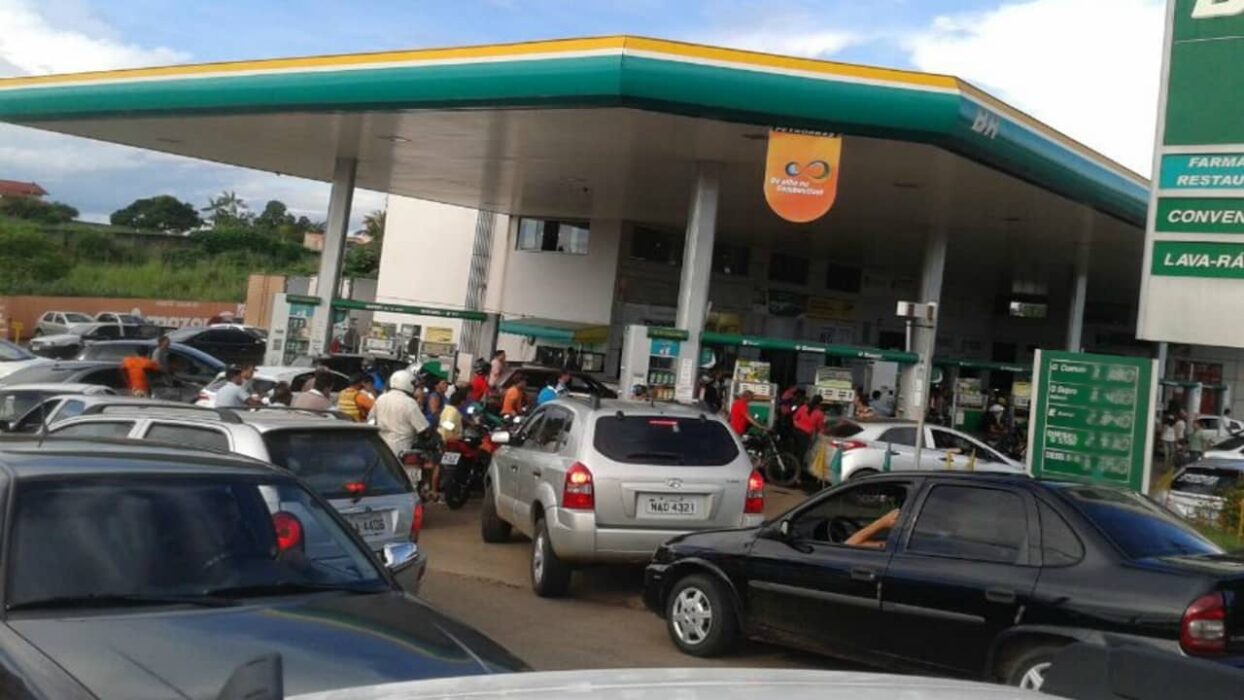
The Scenario Is Challenging In Brazil And The World. Distributors, importers, and other fuel producers in Brazil had already made adjustments to their sales prices before Petrobras, so that the Brazilian market continued to be supplied without risks of shortages
Petrobras reported in a relevant fact, this morning (06/17), that the gasoline and diesel prices will be adjusted. The oil company also stated that, first and foremost, it is important to reinforce that the company is sensitive to the moment that Brazil and the world are facing and understands the impact that fuel prices have on people’s lives.
In this sense, the company has sought to balance its prices with the global market, but without the immediate passing on to internal prices of the volatility of international quotations and the exchange rate. This positioning allowed Petrobras to maintain stable LPG prices for up to 152 days; diesel for up to 84 days; and gasoline for up to 99 days. This practice is not common among other suppliers operating in the Brazilian market, who adjust their prices more frequently, nor among the larger international companies that adjust their prices even daily.
Petrobras Seeks Convergence With Market Prices For The Continuity Of Supply In The Brazilian Market, Without Risks Of Shortages
Nonetheless, when there is a structural change in the level of global prices, it is necessary for Petrobras to seek convergence with market prices. It is this balance with the global market that naturally results in the continuity of supply in the Brazilian market, without risks of shortages, by the various actors: importers, distributors, and other producers, in addition to Petrobras itself.
-
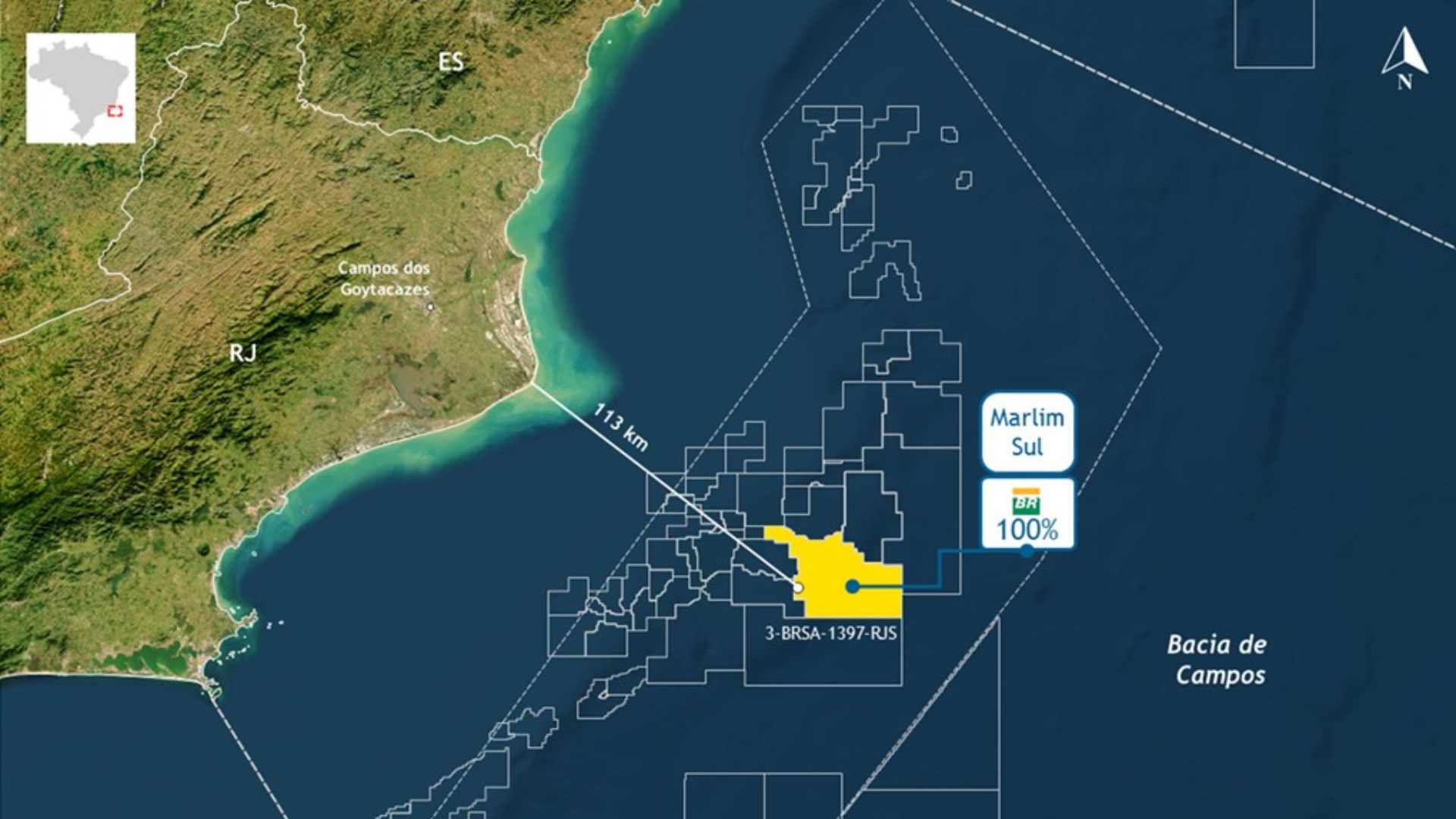
Petrobras finds high-quality oil in the pre-salt at 113 km from RJ and reignites expectations about strategic reserves in the Campos Basin.

-
Ocyan opens registrations for startups focused on innovation in the oil and gas sector and will select projects for Innovation Day with the support of Nexio.

-
Petrobras announces new oil discovery in the pre-salt of the Campos Basin and reinforces Brazil’s prominence with high-quality reserves that can increase production and energy revenues.
-
Alert in the fuel market: Analysts and a former director of ANP warn that oil prices may worsen in the coming months due to global instability.

At this point, it is important to highlight that the global energy market is currently in a challenging situation. With the acceleration of global economic recovery starting in the second half of 2021 and, notably, with the beginning of the conflict in Eastern Europe in February 2022, there has been a decrease in supply and an increase in demand for energy, with rising prices and greater volatility in international energy commodity quotations, especially diesel fuel.
Thus, after 99 days, starting from 06/18, the average selling price of gasoline from Petrobras to distributors will rise from R$ 3.86 to R$ 4.06 per liter. The last adjustment occurred on 03/11.
Considering the mandatory blend of 73% gasoline A and 27% anhydrous ethanol for the composition of gasoline sold at gas stations, Petrobras’ portion in the consumer price will rise from R$ 2.81, on average, to R$ 2.96 for each liter sold at the pump. A variation of R$ 0.15 per liter.
For diesel, after 39 days, starting from 06/18, the average selling price of Petrobras for distributors will increase from R$ 4.91 to R$ 5.61 per liter. The last adjustment occurred on 05/10.
Considering the mandatory blend of 90% diesel A and 10% biodiesel for the composition of diesel sold at gas stations, Petrobras’ portion in the consumer price will increase from R$ 4.42, on average, to R$ 5.05 for each liter sold at the pump. A variation of R$ 0.63 per liter.
Petrobras Maintained Selling Prices For Distributors Stable For 99 Days For Gasoline And 39 Days For Diesel.
With this movement, Petrobras reiterates its commitment to competitive pricing practices in balance with the market, while avoiding the immediate passing on of the volatility of international quotations and exchange rates to internal prices, that is, avoiding the passing on of temporary fluctuations that can be reversed in the short term. Thus, by observing market developments, it was possible to maintain stable selling prices for distributors for 99 days for gasoline and 39 days for diesel.
This practice is in accordance with the legal parameters and the free competition environment that has been in place in Brazil for over twenty years, according to Law No. 9.478/1997 (Oil Law).
Petrobras Collected R$ 203 Billion In Own And Withheld Taxes, The Highest Annual Amount Ever Paid By The Company, A 70% Increase Compared To 2020
It is also important to emphasize that the same situation affecting fuel prices has a positive externality in generating public resources, reflecting in increased revenue from taxes and government participations throughout the chain, from the exploration and production of oil and natural gas to the commercialization of fuels themselves. And in the specific case of Petrobras, it should also be highlighted the payment of dividends to the Union.
In 2021, the company collected R$ 203 billion in own and withheld taxes, the highest annual amount ever paid by the company, a 70% increase compared to 2020. In the first quarter of 2022 alone, Petrobras paid R$ 70 billion to the public coffers in taxes and government participations, nearly double the amount collected in the same period in 2021. It is worth noting that Royalties and Special Participation are charged based on the international price, adjusted daily by the price of oil and the exchange rate.
Additionally, in 2021, Petrobras paid R$ 27 billion in dividends to the Union, and in the current year, by July, it will allocate R$ 32 billion to the controlling shareholder.
These resources can contribute to the budget of public policies, including ways to mitigate the current crisis’s impacts on fuel prices.
Thus, in this challenging context, Petrobras recognizes that the Federal Government and the National Congress are exploring measures in the tax sphere to mitigate the price levels of various consumer chain products.
However, despite the positive impact of such measures on the prices charged to the final consumer, they do not disconnect the ex-tax prices of commodities in the Brazilian market from fluctuations in the international market.
Petrobras Price Is Only A Portion Of The Final Price
It is important to reiterate that Petrobras’s selling prices to distributors, based on market prices, are only a portion of the prices that reach the final consumer.
For the formation of the pump price, additional portions of the mandatory blend of anhydrous ethanol and biodiesel are added to gasoline A and diesel A produced in refineries, distribution and resale costs and federal and state taxes. In the case of diesel, taxation currently consists solely of the ICMS, a state tax, since federal taxes PIS/Pasep and Cofins had their rates set to zero from 03/11 until 12/31/2022.
To contribute to price transparency and a better understanding of society, Petrobras publishes on its website information regarding the formation and composition of fuel prices to consumers.
Click here to check the Petrobras prices. Also visit informa.petrobras.com.br










Seja o primeiro a reagir!