





 English
  Francês
  Alemão
  Italiano
  Japonês
  Norueguês
  Portuguese
  Spanish
  2 min of reading


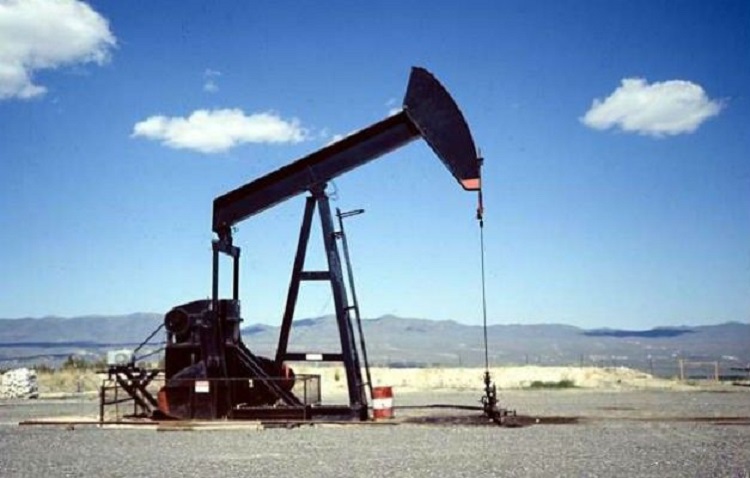
Polo Cupiúba and Carapanaúba Land Assets in Amazonas Will Have 100% of Petrobras’ Stake Put Up for Sale.
Petrobras’ divestment program is in full swing. The company announced yesterday, Friday (09/13), the opening of the sale process for 100% of its stake in the Polo Cupiúba and Carapanaúba land concessions in Amazonas. See here the fields that the state-owned company is selling in Bahia.
This first stage of the process involves the disclosure of divestment opportunities, which the market usually refers to as a “teaser.”
-
Government unlocks R$ 554 million for a highway that has been requested for decades and accelerates the duplication of BR.
-
Without bricks, without cement, and without endless construction: the cardboard house that is assembled in modules and can be moved.

-
Billions of barrels on the equatorial margin could lead Amapá to double its oil production in Brazil — the state aims to enter the route of companies in the Campos Basin, attract investments, and boost jobs and businesses in the oil and gas sector.
-
Without bricks, without cement, and without endless construction: the cardboard house that is assembled in modules and can be moved.

The Fields
The land fields for sale by Petrobras are located in Coari in the state of Amazonas and are called Cupiúba and Carapanaúba.
The average production of the assets, according to Petrobras, was 81 barrels per day of oil and 82 thousand cubic meters of gas daily last year.
Petrobras emphasized that the sale of land fields is in line with the new management’s policy and added that further stages of the sale process will be disclosed later.
“This operation is aligned with optimizing the portfolio and improving the company’s capital allocation, aiming to generate value for our shareholders,” the statement said.
See also! The government intends to end Petrobras’ favoritism and relax the pre-salt exploration regime, allowing blocks in these areas to be auctioned under the concession model – in which the company becomes the owner of the oil but assumes the activity’s risk, and the winner of the bid is the one who offers the highest price.
The change has the potential to increase federal revenue in the short term, which would allow for an improvement in public accounts at a time of resource scarcity.









Seja o primeiro a reagir!