





 Portuguese
  English
  Spanish
 5 min of reading
  0 comments


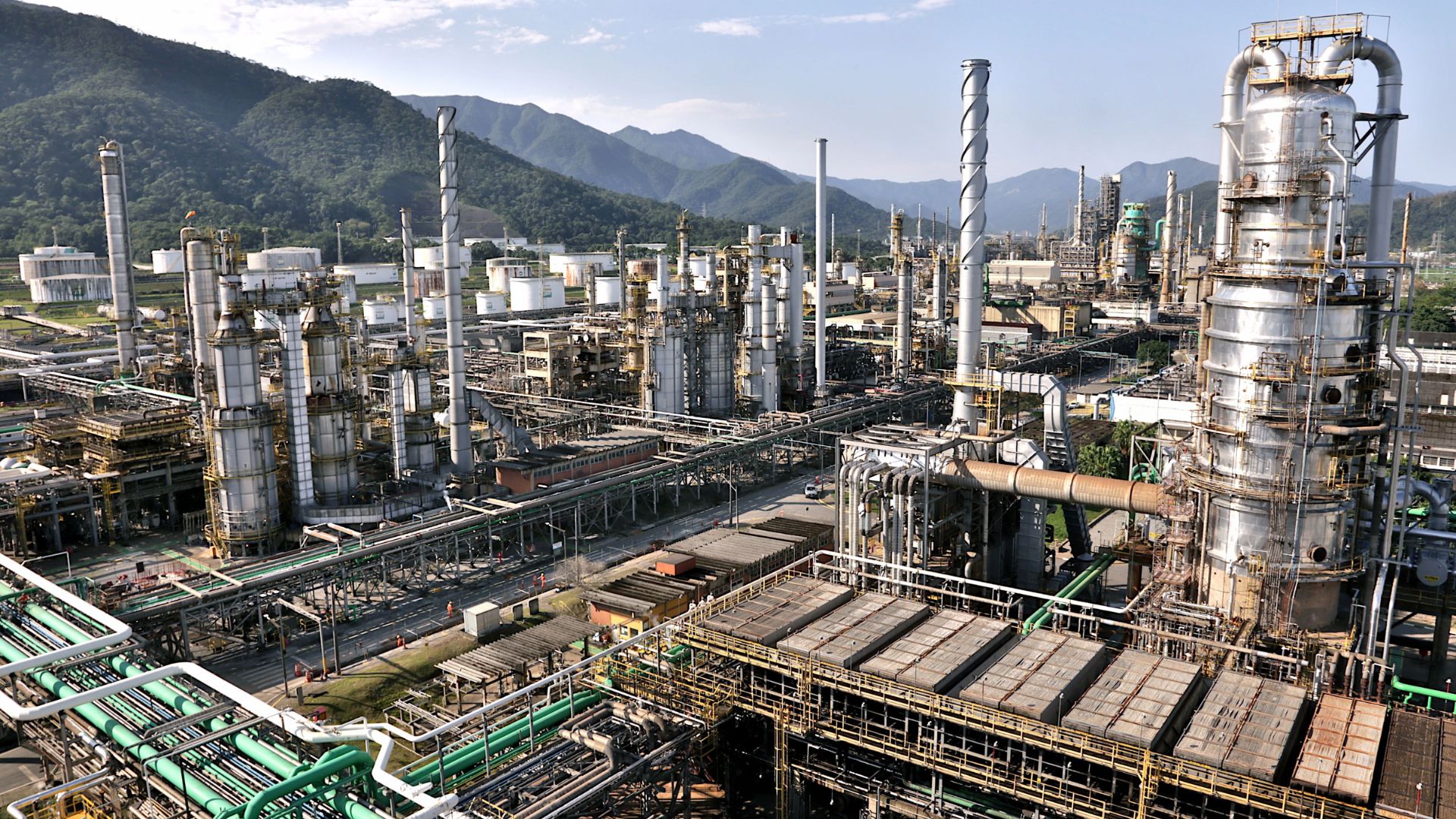
Petrobras Expands Its Low Carbon Strategy by Launching Renewable Content Fuels. Diesel Podium and Diesel Verana Reduce Emissions, Maintain High Performance, and Meet Premium Markets in Brazil
On January 13, 2026, Petrobras officially announced the expansion of its product portfolio to the market with the launch of renewable content fuels, incorporating lower carbon intensity solutions into the automotive and leisure marine segments. The initiative includes the reformulation of Diesel Podium and Diesel Verana, which now contain 5% renewable content in their composition, maintaining performance, safety, and compatibility with existing engines.
Petrobras Expands the Offer of Renewable Content Fuels in Brazil
The measure reinforces Petrobras’ positioning in offering low carbon solutions, aligned with the current demands of society, the premium market, and energy transition policies in Brazil. The new products were developed and tested by Petrobras Research Center (CENPES) and already have defined production and regional distribution.
The inclusion of renewable content in fossil fuels is one of the strategies adopted globally to reduce greenhouse gas emissions without compromising existing infrastructure. In this context, Petrobras begins to offer renewable content fuels produced by coprocessing, combining mineral diesel with vegetable oils or animal fats.
-
The Economist states that Brazil has a “secret weapon” against expensive oil and highlights how the country can reduce economic impacts even in international scenarios of high volatility.

-
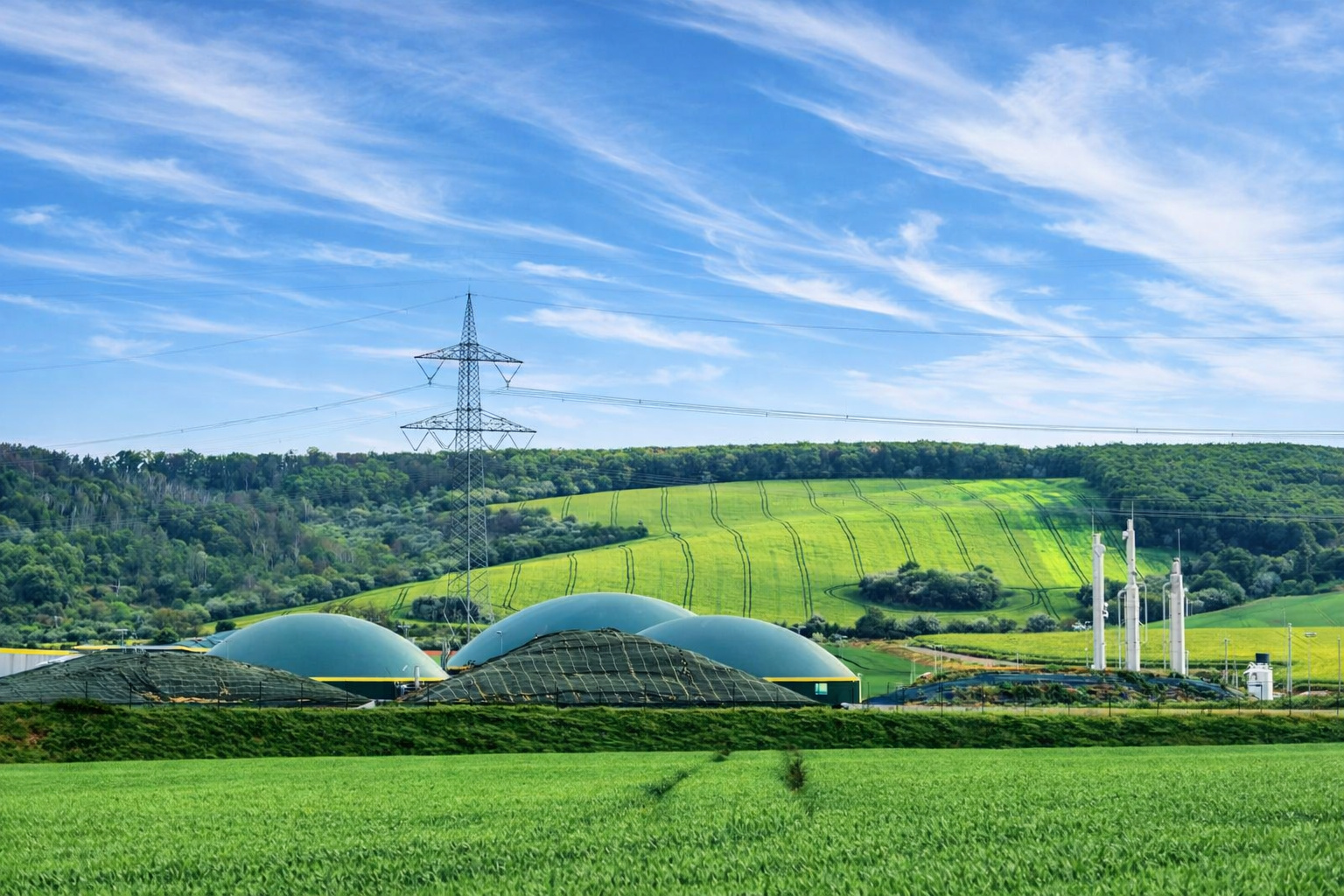
Brazil accelerates decarbonization in the South: International forum in Foz do Iguaçu gathers leaders to discuss the advancement of biomethane in the energy matrix and the potential of “caipira pre-salt.”
-
As diesel prices soar due to conflicts in the Middle East, a Brazilian city decides to test a little-known biofuel that promises to completely replace fossil fuel without adaptation and could change the future of energy in the country.

-
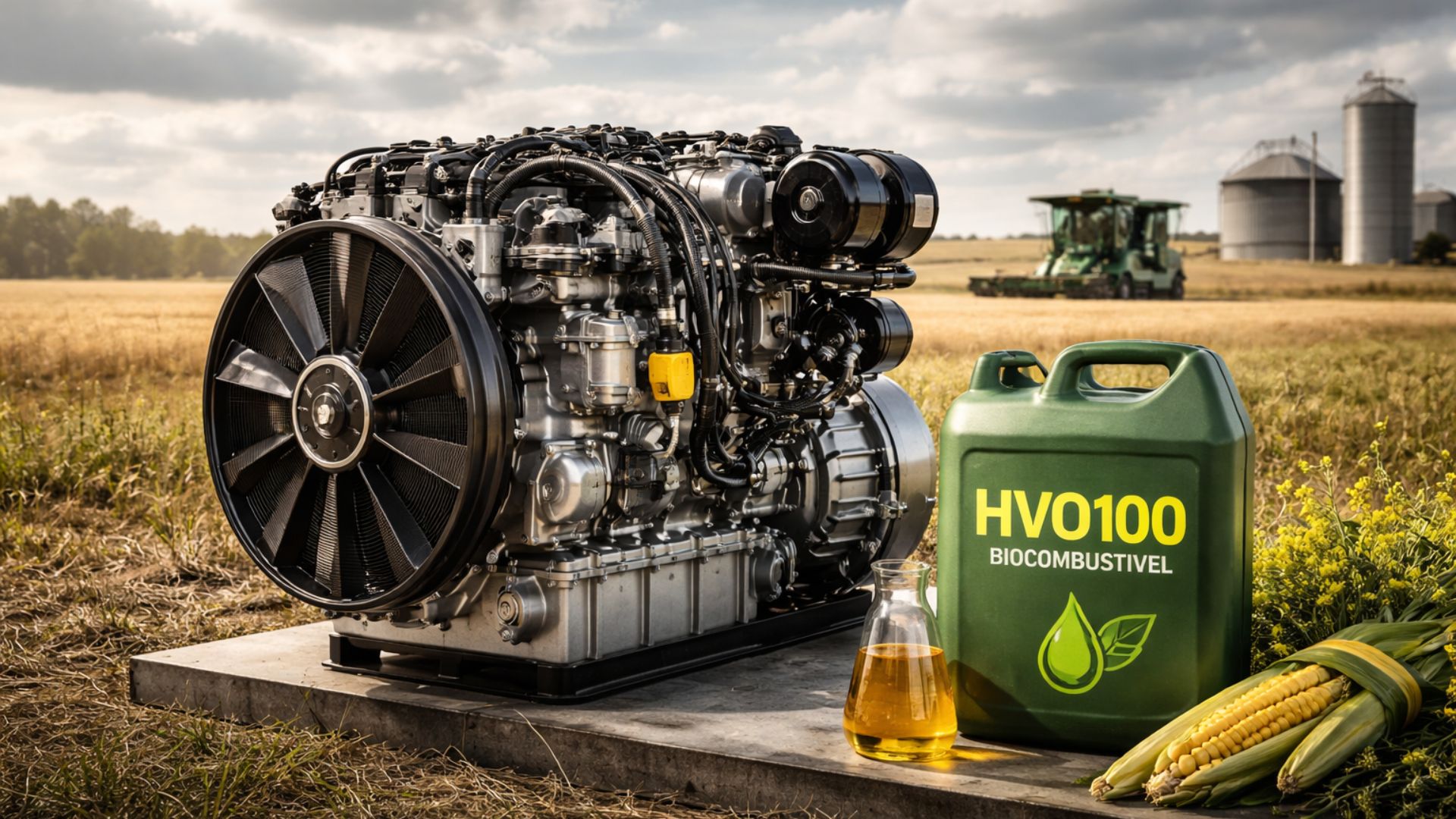
Innovation with biofuel engines transforms agribusiness by replacing diesel without the need for major adaptations, ensuring energy efficiency and helping to reduce dependence on oil.

According to the company, the new formulation allows for an approximately 3% reduction in GHG emissions over the fuel’s life cycle compared to conventional mineral diesel. Although the percentage of renewable content is 5%, the environmental impact is significant, especially when considering the consumption volume in the served markets. The advancement occurs without the need for adaptation in engines, a decisive factor in accelerating the adoption of these solutions and expanding their commercial reach.
Diesel Podium with Renewable Content Reinforces Performance and Lower Environmental Impact
Diesel Podium, traditionally associated with the premium segment for light vehicles, SUVs, and personal use pickups, now includes 5% renewable content in its composition. The product maintains the technical characteristics of 100% mineral S10 diesel, ensuring high performance and engine protection.
According to Petrobras, the fuel offers maximum utilization of installed power while contributing to the reduction of corrosion, wear of parts, and the formation of deposits in the combustion system. These attributes are particularly relevant for consumers seeking mechanical efficiency combined with environmental responsibility.
The estimated reduction in emissions of about 3% occurs without compromising performance, positioning Diesel Podium with renewable content as a viable alternative for those wishing to reduce their carbon footprint without sacrificing reliability. The product is manufactured at the President Bernardes Refinery (RPBC) in Cubatão, and will initially be available in the states of Rio de Janeiro and São Paulo.
Sustainable Diesel Verana Meets Premium Marine Market
Diesel Verana is the only premium diesel specifically developed for the leisure marine market in Brazil. With the new formulation, the fuel also incorporates 5% renewable content, expanding Petrobras’ role in low carbon solutions for recreational vessels.
Tested by CENPES under real operating conditions at sea, Diesel Verana offers greater comfort and safety during use, with benefits including faster refueling, reduced foaming, and decreased characteristic odor of marine fuels.
Additionally, the product ensures power, reliability, and high stability, protecting engine components, even during long periods of vessel inactivity.
Like Diesel Podium, Diesel Verana does not require modifications to engines, a factor that facilitates its adoption in the market. The distribution of Diesel Verana is planned for the states of Espírito Santo, Rio de Janeiro, Santa Catarina, and São Paulo.
Environmental Benefits of Petrobras’ Renewable Content Fuels
Petrobras’ strategy to invest in renewable content fuels is aligned with transitional energy practices considered intermediate but effective. Coprocessing allows for a reduction in the carbon intensity of liquid fuels, while more disruptive technologies, such as electrification and low carbon hydrogen, continue to be developed.
Some of the main environmental benefits include:
- Direct reduction of greenhouse gas emissions
- Lower environmental impact throughout the life cycle of the fuel
- Use of renewable raw materials already available in the market
- Maintenance of existing logistical and vehicular infrastructure
This approach expands the scale of positive environmental impact, as it does not depend on structural changes in the automotive or maritime fleets.
CENPES and Technological Innovation in Petrobras Fuels
The Petrobras Research Center (CENPES) played a central role in the development, testing, and validation of the new fuels. The center’s work ensures that products such as Diesel Podium and Diesel Verana meet rigorous technical, environmental, and safety standards.
Applied research enables Petrobras to advance in more sustainable energy solutions without compromising reliability, an essential characteristic in premium segments. Technological innovation is one of the pillars that sustain the company’s competitiveness, both in national and international markets.
Moreover, the mastery of coprocessing paves the way for future increases in the renewable content of fuels, as regulatory and technological advancements occur.
Petrobras’ Strategy and the Just Energy Transition
According to Petrobras, the expansion of the portfolio with products that incorporate renewable content reinforces the company’s commitment to a just energy transition, capable of balancing sustainability, energy security, and economic competitiveness.
By meeting consumer needs and maintaining high-quality standards, the company strengthens its presence in the premium segment and broadens the offer of solutions applicable to different sectors. The strategy also resonates with current societal demands for emission reduction, without ignoring the reality of liquid fuel consumption in Brazil.
This movement positions Petrobras as an active agent in building a more sustainable, gradual, and technically consistent energy model.
Impacts for Consumers, Market, and Brazilian Economy
For the end consumer, the arrival of renewable content fuels represents more options aligned with sustainability, without additional adaptation costs or loss of performance. For the market, the initiative strengthens the national energy industry and stimulates productive chains associated with renewable raw materials.
From an economic perspective, local production at RPBC contributes to job maintenance, industrial innovation, and technological development. The advancement also reinforces Brazil’s role as a protagonist in the low carbon energy agenda, particularly in solutions that reconcile scale, viability, and positive environmental impact.
A Concrete Step Towards a More Sustainable Energy Portfolio
The launch of Diesel Podium and Diesel Verana with renewable content, announced on January 13, 2026, represents a strategic move by Petrobras to integrate sustainability into premium performance. The initiative demonstrates that it is possible to reduce greenhouse gas emissions, meet demanding markets, and advance energy transition without immediate technological disruptions.
By expanding its offer of renewable content fuels, Petrobras consolidates its position as a protagonist in the evolution of the Brazilian energy sector, responding to the environmental, economic, and social demands that shape the future of mobility and energy in the country.









Seja o primeiro a reagir!