





 Portuguese
  English
  Spanish
  4 min of reading
  5 comments


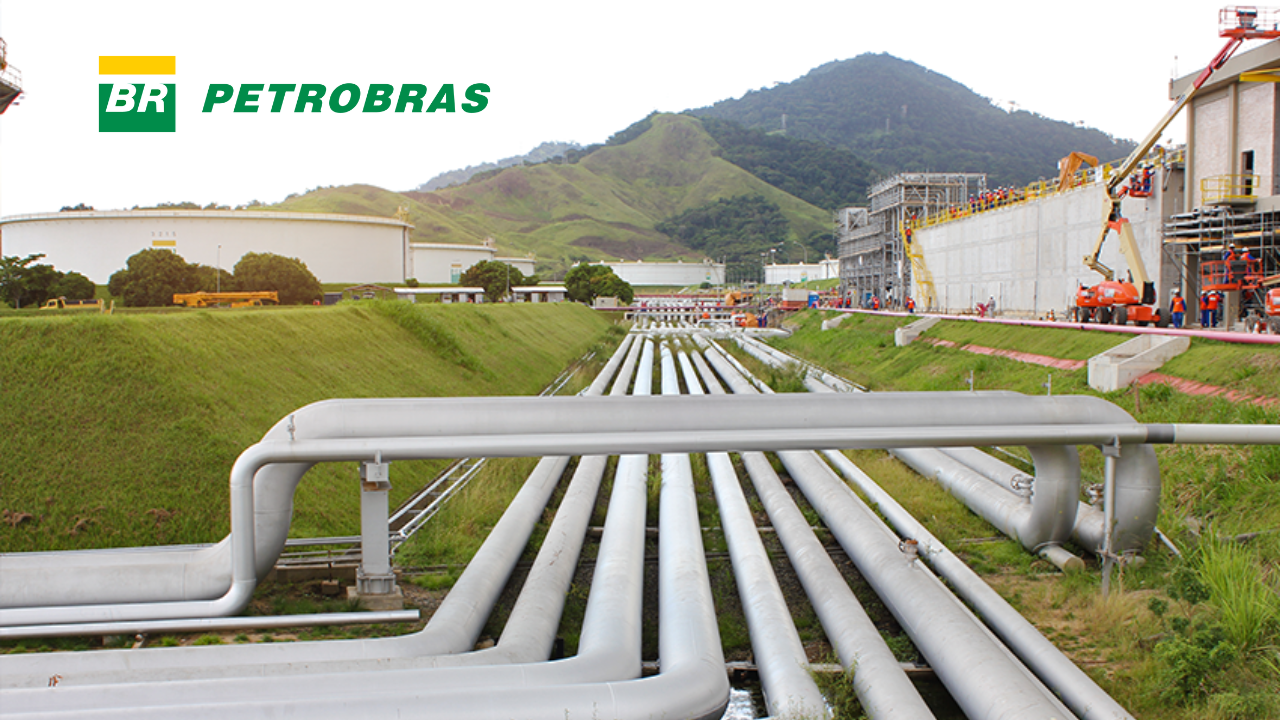


The Construction Of The Pipeline Is Expected To Generate Numerous Jobs, As Reported By The Petrobras Team, Impacting The Entire Population, Beyond Agriculture.
The Petrobras is evaluating the construction of a pipeline approximately 2,000 kilometers long. The goal is to improve the logistics of fuel distribution for Brazilian agriculture.
If the project is approved, it will represent the first major pipeline in the country since the 1990s. The initiative aims to increase efficiency in fuel supply in the central region of Brazil, especially in Mato Grosso, one of the largest agricultural hubs in the country.
A New Pipeline And Its Impacts On The Economy, Trade And Fuels In Brazil
The proposal for the construction of the pipeline by Petrobras is currently under evaluation. However, according to the company, the expectation is that the project will move forward to realization in the near future.
-
Petrobras evaluates suspension of sales to distributors and considers canceling the cooking gas auction following guidelines from the Federal Government.
-
Lula reveals a masterstroke by Petrobras to undo a deal made by Bolsonaro, which involves the return of an important refinery that currently produces less than half of what was expected and makes Brazil dependent on international diesel.

-
A study confirms that the natural gas sector will reduce greenhouse gas emissions in Brazil by 0.5% and accelerate the energy transition by 2026.

-
Petrobras implements a severe adjustment and confirms a 55% increase in the price of aviation kerosene with a proposal for installment payments for the companies.


The route of the new infrastructure, although not yet detailed, is expected to connect Brasília to central Mato Grosso. The pipeline is set to pass through other strategic regions, with the construction of five fueling terminals along the route.
Recently, Claudio Schlosser, Director of Marketing and Logistics at Petrobras, emphasized that the implementation of the pipeline is one of the most effective solutions for delivering fuel more cheaply to the agribusiness sector in Mato Grosso.
Currently, the region relies on trucks transporting fuels from the federal capital. This entails an additional cost, limiting the efficiency of supply.
“It is an extremely relevant investment that the country hasn’t seen in a long time”, said Schlosser.
The executive also noted that fuel consumption in the Midwest has been growing at a rate higher than the national average. This information highlights the urgency of implementing a more robust transportation infrastructure.
According to data from the National Agency of Petroleum, Natural Gas and Biofuels (ANP), diesel sales in the Midwest increased by 41% between 2017 and 2024. The national average was 22%. This growth directly reflects the need for more efficient and economical supply to meet the increasing demand from agriculture.
In 2024, Petrobras opened a diesel delivery terminal in Rondonópolis, Mato Grosso, as a temporary solution to serve the region.
However, Schlosser emphasized that the definitive solution would be the construction of the pipeline, which could reach cities like Sinop, consolidating a more efficient and direct distribution logistics.
The Last Major Pipeline And The Expansion Of The Sector
The last major pipeline built in Brazil was the Osbra (São Paulo-Brasília Pipeline), inaugurated in 1996. It transports fuels to the federal capital, from where products continue by truck to other states in the region.
Since then, Petrobras has focused on expanding and modernizing its pipeline network, particularly in areas like the metropolitan region of São Paulo, but it had not undertaken a project of such significant expansion as the one currently planned.
Petrobras’ commercial strategy, according to Schlosser, aims to sell as much oil and its derivatives as possible in Brazil. In this context, the company is also studying another major route to serve Matopiba, a producing region located at the border of the states of Maranhão, Tocantins, Piauí, and Bahia.
For this route, Petrobras plans to use maritime transport to Marabá (PA) and rail to bring products inland, aiming to increase its market presence and ensure competitiveness.
“If we do not occupy these spaces, we will lose market”, warned Schlosser. The director highlighted the importance of expanding the company’s logistics infrastructure to ensure the continuity of supply and Petrobras’ presence in the main producing regions of Brazil.
Expansion In Refining And Economic Impact Of Petrobras
In addition to pipeline projects, Petrobras is also investing in expanding its refining capacity. The goal is to increase national fuel production by 450,000 barrels per day.
Part of this investment involves expanding existing units and completing projects that had been stalled, such as at the Abreu e Lima Refinery in Pernambuco and the São Boaventura Complex (formerly known as Comperj) in Rio de Janeiro.
The state-owned company has already initiated bids for various construction packages in refineries, with an order volume not seen in Brazil since the discovery of corruption schemes investigated by Operation Lava Jato.
The president of Petrobras, Magda Chambriard, reinforced that the company is “absolutely determined to foster a virtuous cycle of our investments”, highlighting the importance of boosting the national industry.









Mais uma obra p gastar e desviar dinheiro do contribuinte. Refinaria de Abreu e lima, passadena , porto em cuba , gasoduto na Bolívia etc, etc, etc.
Este projeto do oleoduto irá baratear o transporte. Com a ampliação da capacidade do refino, estaremos garantindo a soberania nacional. Ficaremos menos dependentes de importação de derivados.
Eu gosto mesmo é da roubalheira que isso vai custar!