





 Portuguese
  English
  Spanish
 3 min of reading
  0 comments


Ibama Approves Petrobras Environmental Plan for Oil Affected Fauna Protection, A Key Step to Enable Drilling in the Equatorial Margin. Next Phase Will Be Emergency Simulation with Over 400 Professionals.
A Petrobras obtained approval from the Brazilian Institute of Environment and Renewable Natural Resources (Ibama) for the concept of its Oil Affected Fauna Protection and Response Plan (PPAF), an essential document within the Individual Emergency Plan (PEI) on last Monday (19).
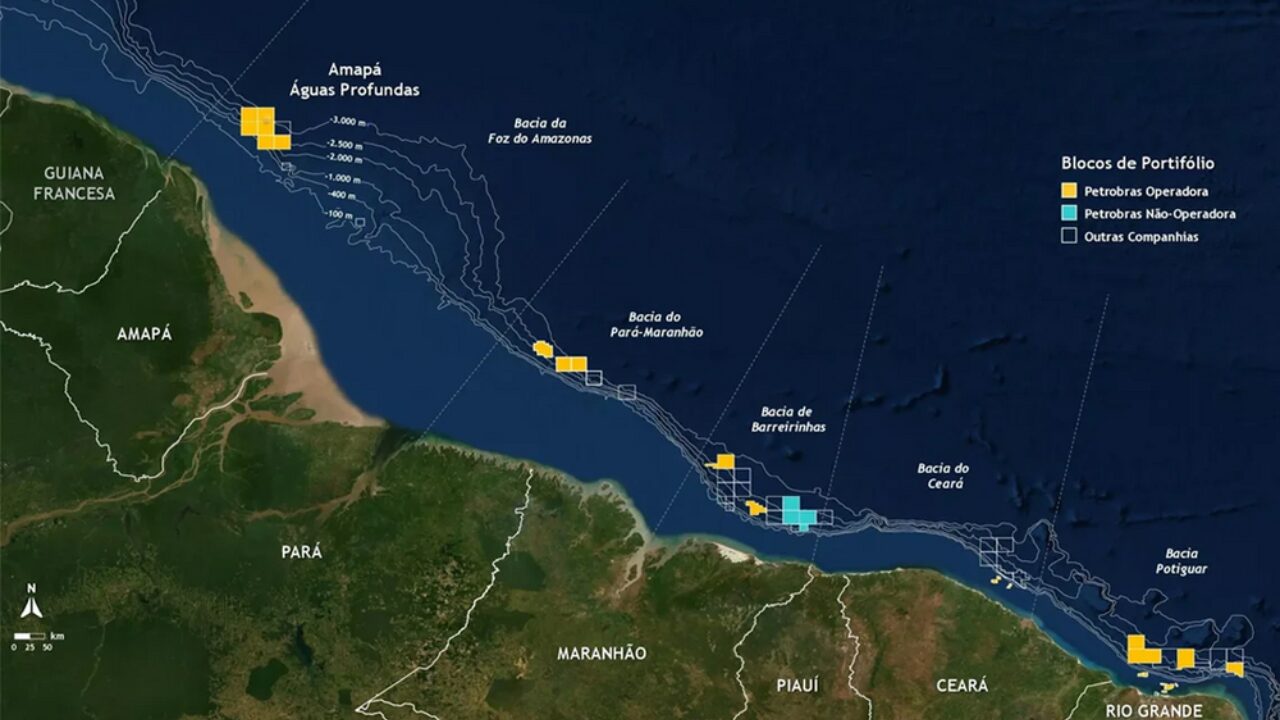
This step is considered crucial for the company to progress with the request for the environmental license that will allow the drilling of an exploratory well in deep waters off the coast of Amapá, in a remote area located more than 160 kilometers from the coast and over 500 kilometers from the mouth of the Amazon River.
According to a technical note issued by Ibama itself, “the approval of the PPAF concept indicates that the plan, in its theoretical and methodological aspects, met the required technical standards and is ready for the next stage: the execution of inspections and simulations of rescues of oil-affected wildlife.”
-
Petrobras evaluates suspension of sales to distributors and considers canceling the cooking gas auction following guidelines from the Federal Government.

-
Lula reveals a masterstroke by Petrobras to undo a deal made by Bolsonaro, which involves the return of an important refinery that currently produces less than half of what was expected and makes Brazil dependent on international diesel.
-
A study confirms that the natural gas sector will reduce greenhouse gas emissions in Brazil by 0.5% and accelerate the energy transition by 2026.

-
Petrobras implements a severe adjustment and confirms a 55% increase in the price of aviation kerosene with a proposal for installment payments for the companies.


Petrobras and Ibama Will Simulate Response to Oil Spill at Sea
With the conceptual approval, the next step in the process is the implementation of the Pre-Operational Assessment (APO), which will involve a practical exercise simulating an oil spill accident.
The goal is to verify the efficacy of the emergency measures planned, including rapid response, rescue of affected wildlife, and coordination with public agencies and other stakeholders.
The simulation will feature a large operational structure, involving vessels, helicopters, and the drilling rig NS-42, which will be moved to the drilling site. The operation will bring together over 400 professionals specialized in environmental response.
Petrobras Reinforces Commitment to Environmental Rigor and Operational Safety
The president of Petrobras, Magda Chambriard, highlighted the state-owned company’s commitment to the regulatory standards required:
“Petrobras has been diligently meeting all the requirements and procedures set by the regulatory, licensing, and oversight agencies. We have total respect for the rigor of the environmental licensing that this process requires. We are pleased to move forward to this final stage and to demonstrate that we are capable of operating safely along the coast of Amapá. We will install in the area the largest emergency response structure ever seen in deep and ultra-deep waters,” she stated.
Equatorial Margin Could Open a New Energy Frontier for Brazil
The operation is part of Petrobras’s strategy to explore the Equatorial Margin — a coastal area stretching from Amapá to Rio Grande do Norte — considered promising for oil production in deep waters.
The company sees in the region a strategic opportunity for energy diversification, which can enhance the security of energy supply for the country.
All of Petrobras’s actions in this area are being conducted based on rigorous environmental protocols and its extensive technical experience in offshore operations.
The success of the drilling could represent a new cycle for the oil and gas industry in Brazil, in synergy with the goals of energy transition.
Source: Petrobras Agency









Seja o primeiro a reagir!