





 Portuguese
  English
  Spanish
  3 min of reading
  0 comments


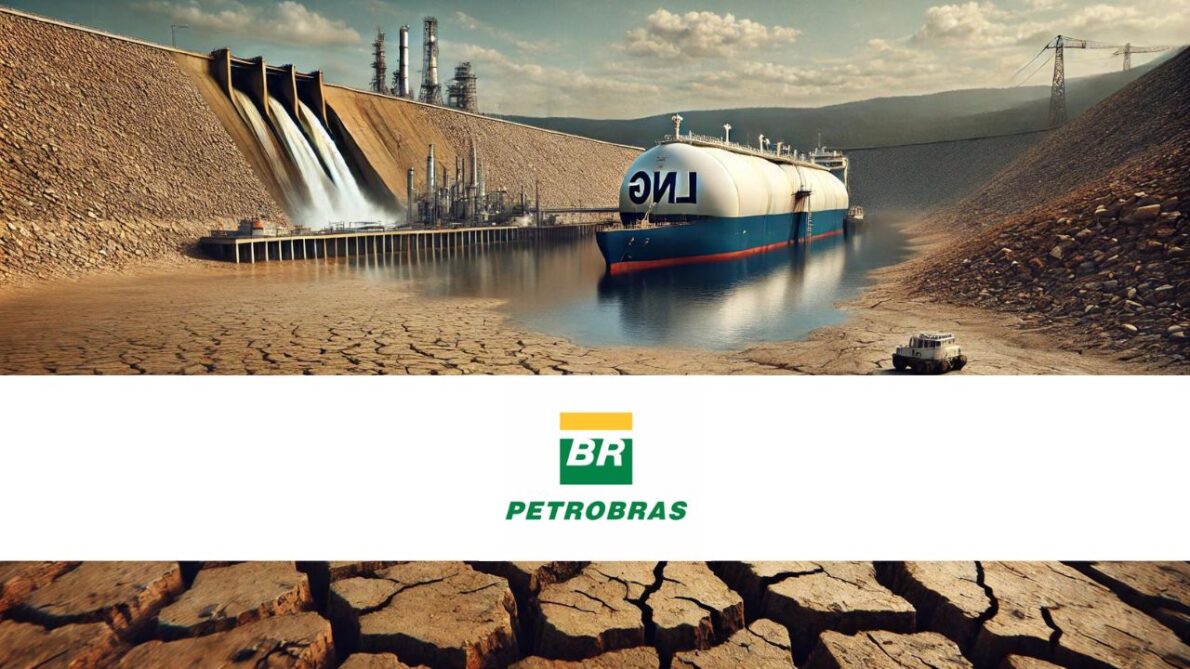
With The Drop In Reservoir Levels, Petrobras Intensifies Search For LNG To Meet Energy Demand In The Country.
In a scenario marked by a lack of rainfall and a significant drop in the levels of hydroelectric reservoirs, Petrobras is increasingly turning to LNG (liquefied natural gas) as a solution to avoid an energy crisis. This movement comes amid a surge in global demand for the fuel, which already faces challenges due to high demand from countries in Asia and Africa.
Petrobras finds itself in a critical position as Brazil, traditionally dependent on hydroelectric energy, faces a drought that threatens its main source of energy. With the drop in reservoir levels, the company and other energy suppliers are seeking alternatives, and LNG emerges as the most viable solution, although not the most economical.
Petrobras And Other Energy Companies In Brazil Are Behind Six LNG Shipments
According to traders with direct information, Petrobras and other energy companies in Brazil are behind six shipments of LNG scheduled for delivery in September. This strategic move aims to ensure that the country can meet its energy demand, especially at a time when the need for natural gas is high in other regions of the world, such as Asia and North Africa.
-
Offshore industrial demand in Macaé skyrockets with the recovery of oil and gas and could grow by up to 396% by 2026 in the Campos Basin.
-
Offshore industrial demand in Macaé surges with the recovery of oil and gas and could grow by up to 396% by 2026 in the Campos Basin.
-
Brazilian giant expands borders in the Southeast: Petrobras confirms new oil discovery in ultra-deep waters in the pre-salt of the Campos Basin.

-
Alert in the global energy market: Severe tropical cyclone hits the coast and disrupts gas production at major plants in Australia, threatening global supply.


Lack Of Rain In The North And Northeast Regions
The current situation, although concerning, is not as severe as in 2021, when a severe drought forced Brazil to purchase record volumes of LNG. However, the forecasts are not optimistic. The lack of rain in the North and Northeast regions has drastically impacted water levels in important rivers of the Amazon basin, such as the Madeira, which hosts two major hydroelectric projects that are at risk.
“…Need For Greater Gas Generation In Brazil In The Coming Months”
Javier Toro, senior research manager at Wood Mackenzie Ltd, emphasizes the need to increase gas-fired power generation in Brazil in the coming months. “Due to the worsening hydrology, we see a need for greater gas generation in Brazil in the coming months,” Toro stated. He highlights that, as the drought worsens, consumers and industry will feel the direct impacts on costs, as the use of thermal power plants will intensify.
National Water And Sanitation Agency
The National Water And Sanitation Agency (ANA) also issued a warning at the end of July, indicating that two rivers in the Amazon basin were at critically low water levels due to below-average rainfall during the rainy season. This situation further exacerbates Brazil’s dependence on LNG.
Petrobras Opted Not To Comment On Its Operations
Despite the delicate situation, Petrobras opted not to comment on its fuel purchasing and selling operations, leaving it unclear how much Brazil will need to stretch itself to ensure that energy continues to flow in the homes and industries of the country.
Increase In Gas Generation
The increase in gas generation is undoubtedly a necessary measure given the current scenario, but it is a solution that comes with high costs, both financial and environmental. While the world moves toward cleaner and renewable alternatives, Brazil finds itself once again trapped in a dependence on LNG, trying to balance keeping the lights on with controlling costs.
The pressure on the global LNG market is evident, and Brazil positions itself as a competitor in a game where demand is only growing. Now, it remains to be seen how the country and Petrobras will deal with the challenges that arise in the coming months, as the drought progresses and reservoirs continue to decline.








Seja o primeiro a reagir!