





 English
  Francês
  Alemão
  Italiano
  Japonês
  Norueguês
  Portuguese
  Spanish
  3 min of reading
  1 comment




Petrobras Finalizes The GasLub Pole, Former Comperj, After 16 Years Of Paralysis And Corruption Scandals. The Project Now Focuses On Natural Gas Processing From The Pre-Salt, Promising Impact On The Brazilian Energy Market.
After 16 years of waiting and billions in losses, Petrobras has finally brought to life what was once considered one of the greatest symbols of corruption in the country.
But what led this energy giant to revive a billion-dollar project that many considered dead? Will the Comperj really fulfill its promises this time?
Last Friday (06), Petrobras received authorization from the National Agency of Petroleum, Natural Gas and Biofuels (ANP) to start receiving natural gas from the pre-salt fields at the now-called GasLub Pole Itaboraí.
-
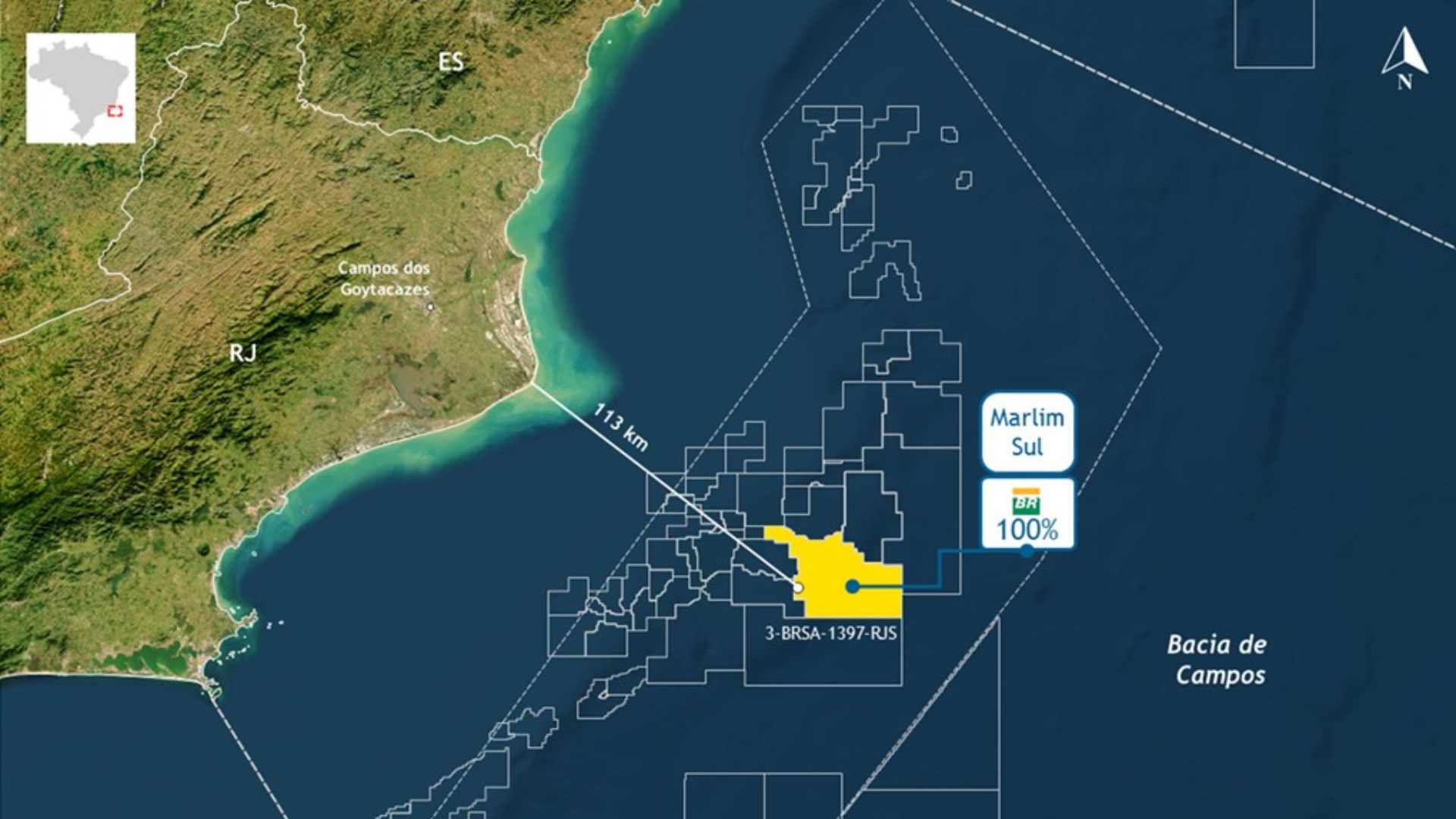
Petrobras finds high-quality oil in the pre-salt at 113 km from RJ and reignites expectations about strategic reserves in the Campos Basin.

-
Ocyan opens registrations for startups focused on innovation in the oil and gas sector and will select projects for Innovation Day with the support of Nexio.

-
Petrobras announces new oil discovery in the pre-salt of the Campos Basin and reinforces Brazil’s prominence with high-quality reserves that can increase production and energy revenues.
-
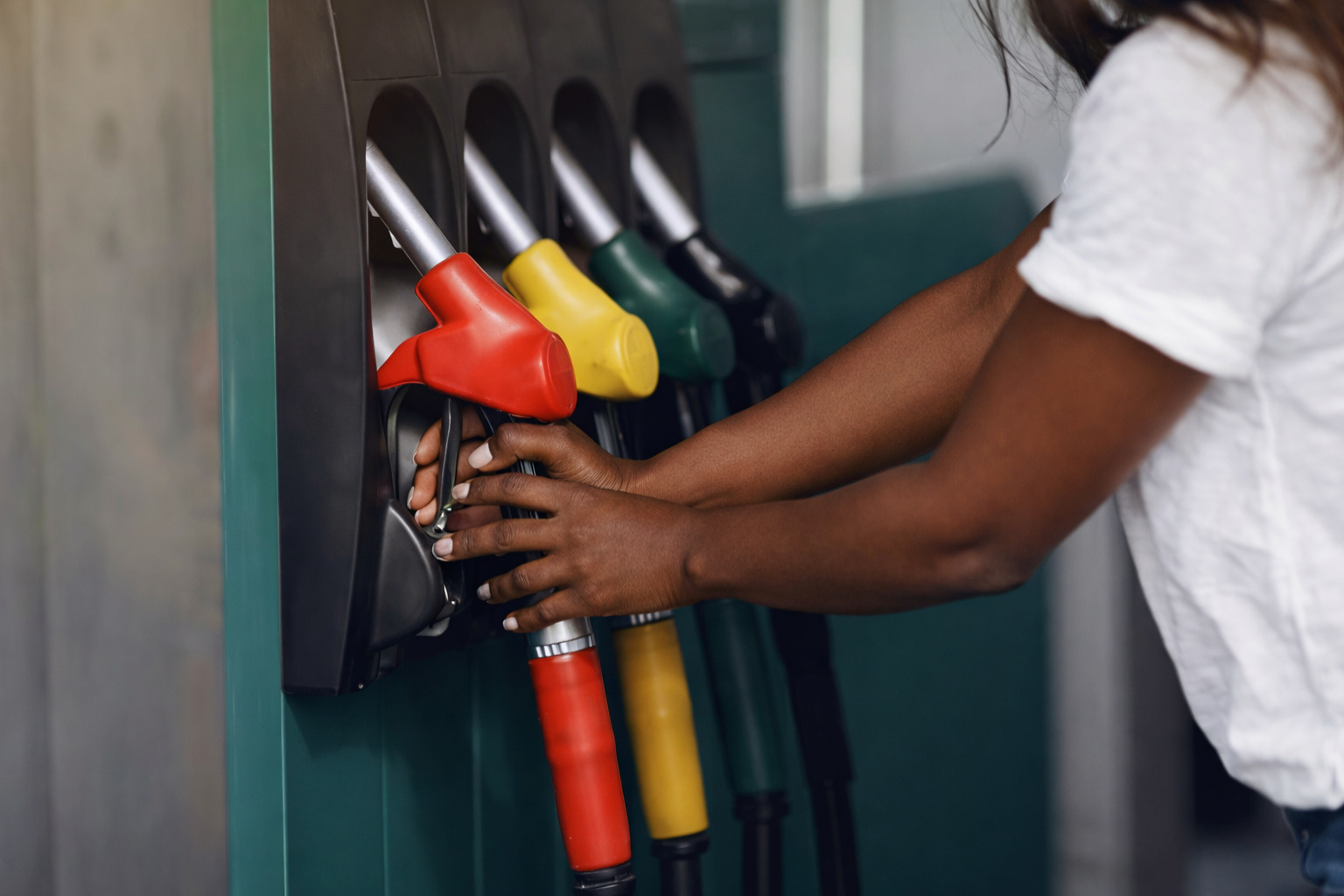
Alert in the fuel market: Analysts and a former director of ANP warn that oil prices may worsen in the coming months due to global instability.

The work, initiated in 2008 and marked by corruption scandals, is being completed, but with a scope very different from what was originally planned.
R$ 75 Billion And 30 Thousand Jobs: What Remains Of The Original Dream?
The Comperj project, which envisioned a large petrochemical complex, has been reduced to a natural gas processing unit. The official inauguration is scheduled for this Friday (13), and the event will be attended by President Luiz Inácio Lula da Silva.
The goal? To process natural gas extracted from the pre-salt fields, brought by a 355-kilometer gas pipeline, mostly subsea.
Even with a reduced scope, the impact capacity is impressive. The structures installed at GasLub have the capacity to process 21 million cubic meters of gas per day.
According to the Director of Engineering, Technology, and Innovation at Petrobras, Renata Baruzzi, this volume exceeds the gas imports currently made by the company, meaning that the new pole will significantly contribute to the energy self-sufficiency of Brazil.
The Saga Of Corruption And Paralysis
Comperj was conceived as an ambitious project to attract plastic factories and petrochemical industries to Itaboraí, Rio de Janeiro.
However, the project became one of the greatest symbols of the Lava Jato Operation, with Petrobras being involved in corruption scandals, overpricing, and bribery.
Since 2008, the state-owned company has recorded at least US$ 14 billion in losses related to the venture.
In 2015, the works were halted. During Michel Temer’s government, between 2017 and 2018, Petrobras completely abandoned plans to build refineries at the site, reducing the project’s scope.
Even so, the completion of the UPGN (Natural Gas Processing Unit) and Route 3, one of the parts of the subsea gas pipeline network, faced several interruptions.
The economic crisis caused by the Covid-19 pandemic and disagreements with contractors in 2022 also delayed progress.
New Plans Ahead: The Future Of The GasLub Pole
President Lula is expected to attend the inauguration of the pole next Friday, reinforcing expectations that the government will continue expansion projects at the site.
The 2024-2028 Strategic Plan of Petrobras already provides for the construction of diesel refineries and biofuels, such as aviation bio-kerosene.
The plan is seen as essential for the energy transition of the country and to reduce dependence on fossil fuels.
Despite this, the execution of this strategic plan, which involves investments of US$ 102 billion, was one of the factors that led to Jean-Paul Prates leaving the presidency of Petrobras during Lula’s government.
Magda Chambriard, who took over in June 2024, now has the mission of accelerating these works, including the expansion of the GasLub Pole.
In addition to the refineries, Petrobras also announced plans to build a thermoelectric plant at the site, with the capacity to generate up to 1.867 gigawatts (GW) of energy using natural gas.
The Transformation Of A Sleeping Giant
With a history marked by ups and downs, corruption, and paralysis, Comperj — now GasLub — is finally approaching its rebirth.
And, although the original project has been drastically reduced, the new version of the venture still promises to make a significant impact on the gas and energy market in Brazil.
The question remains: with so many obstacles in the way, will GasLub be able to reach its full potential or will it be just another unfulfilled promise?






Muito cara de **** roubar um banco 2x