





 Português
  Inglês
  Espanhol
  4 min de leitura
  0 comentários


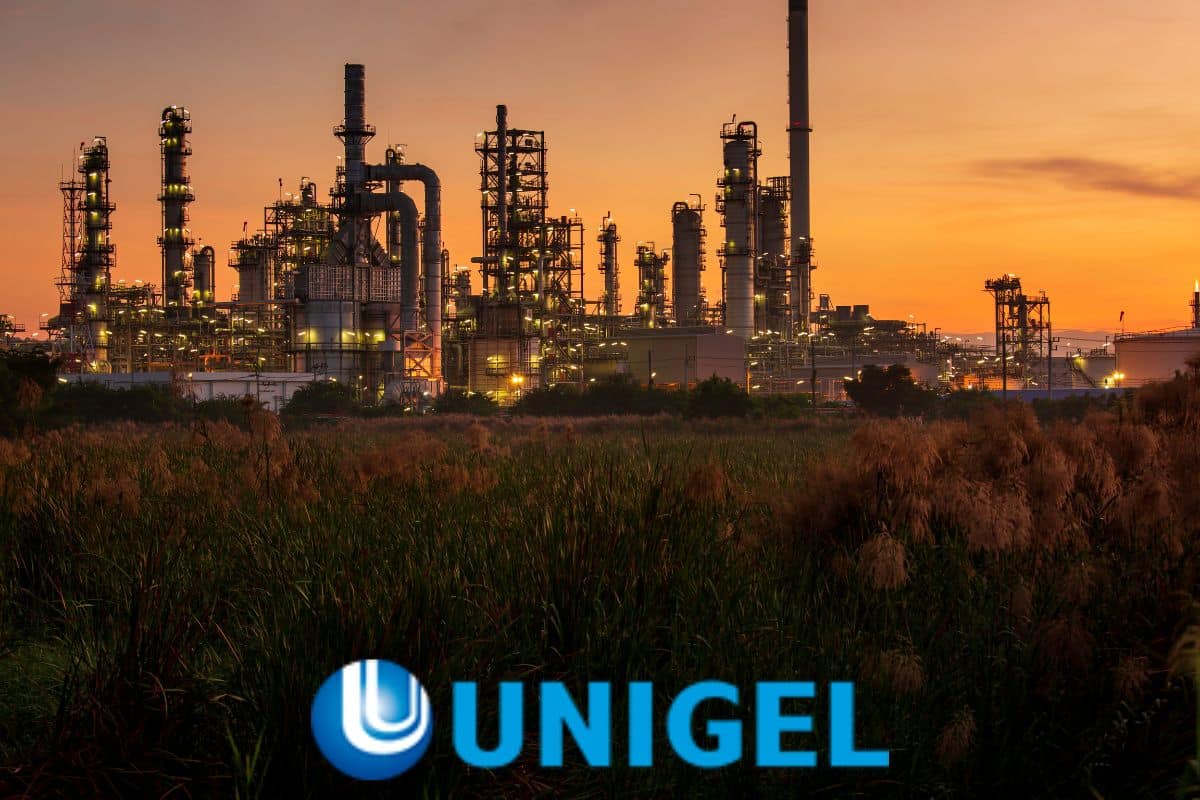
With New Agreement, Petrobras Resumes Fertilizer Operations in Bahia and Sergipe, Aiming to Increase National Production and Reduce External Dependence in the Agricultural Sector.
The Board of Directors of Petrobras approved, on Wednesday (23), a strategic agreement with Proquigel, a subsidiary of Unigel, for the resumption of operations of the Nitrogen Fertilizer Factories (Fafens) located in Camaçari (BA) and Laranjeiras (SE). The measure marks the state-owned company’s return to large-scale fertilizer production, ending contractual disputes that had dragged on for years.
According to the state-owned company, the purpose of the agreement is to resolve pending litigation and enable the reestablishment of possession and reactivation of the units. The reopening of the factories is considered strategic to increase national fertilizer production and reduce Brazil’s dependence on imports in the agricultural sector.
Agreement Between Petrobras and Unigel Ends Judicial Dispute
The Petrobras Unigel agreement still needs to go through some formal steps to have definitive validity. The signing is conditioned on approval in internal instances of Proquigel, compliance with precedent conditions by the parties involved, and final ratification by the Arbitral Tribunal, responsible for mediating the dispute.
-
Historic bankruptcy of Centauro shocks the market, and the century-old company puts more than 500,000 products, machines, and complete infrastructure up for online auction.

-
New shoe factory in Ceará is expected to create 400 jobs and strengthen the local economy.
-
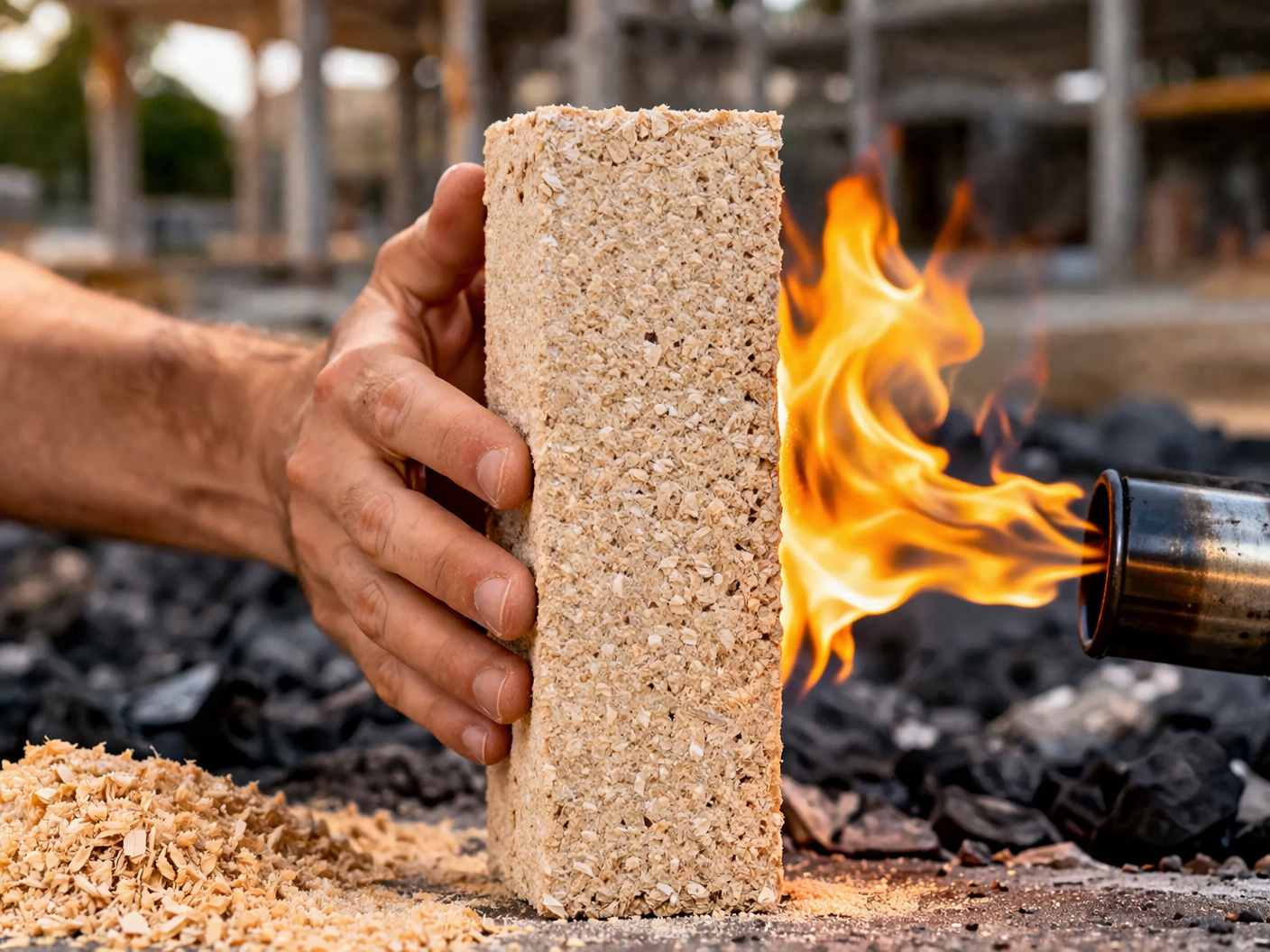
No one imagined it, but a mixture of sawdust with a mineral that fights fires surprises scientists with a result that changes the course of fire-resistant construction.
-
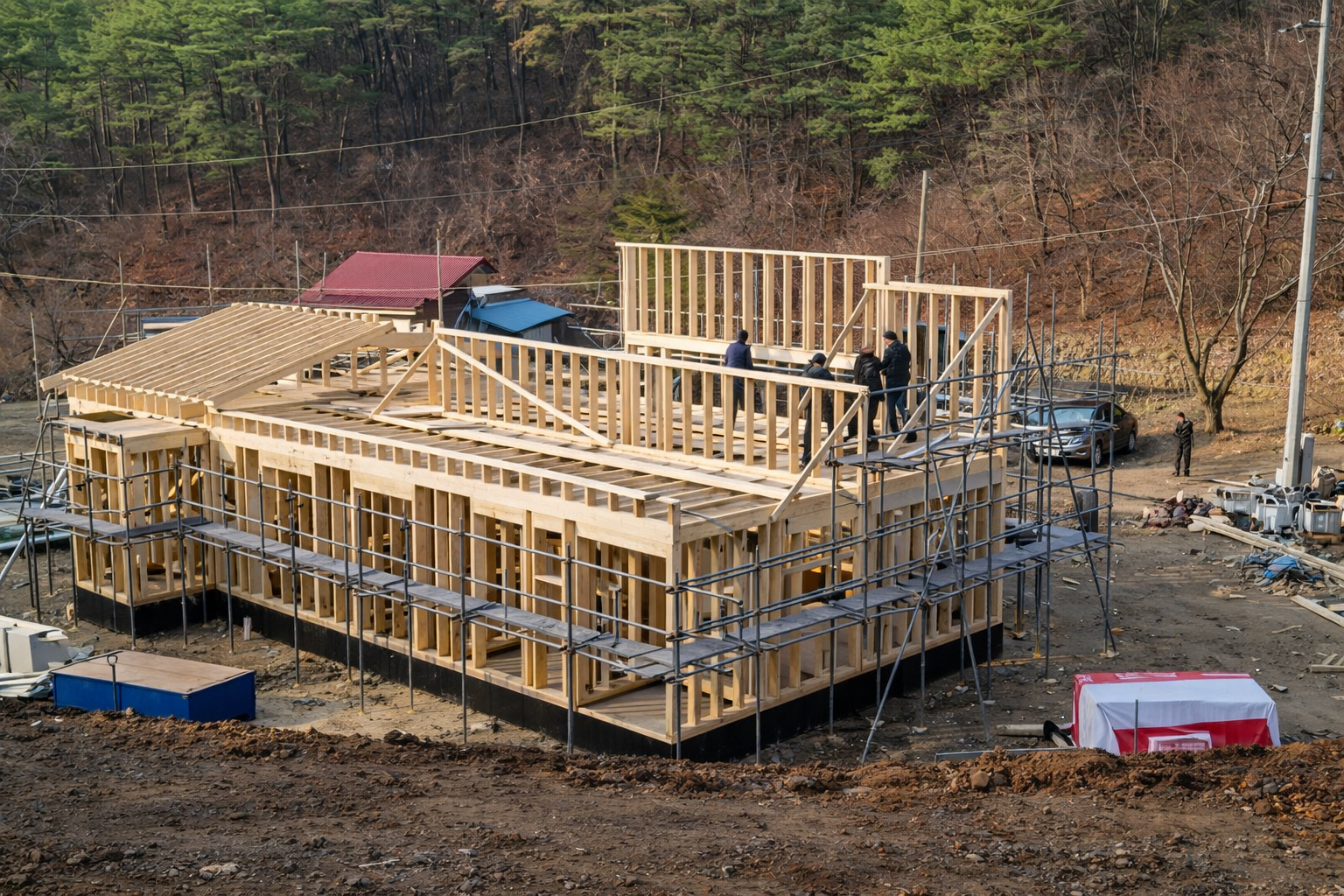
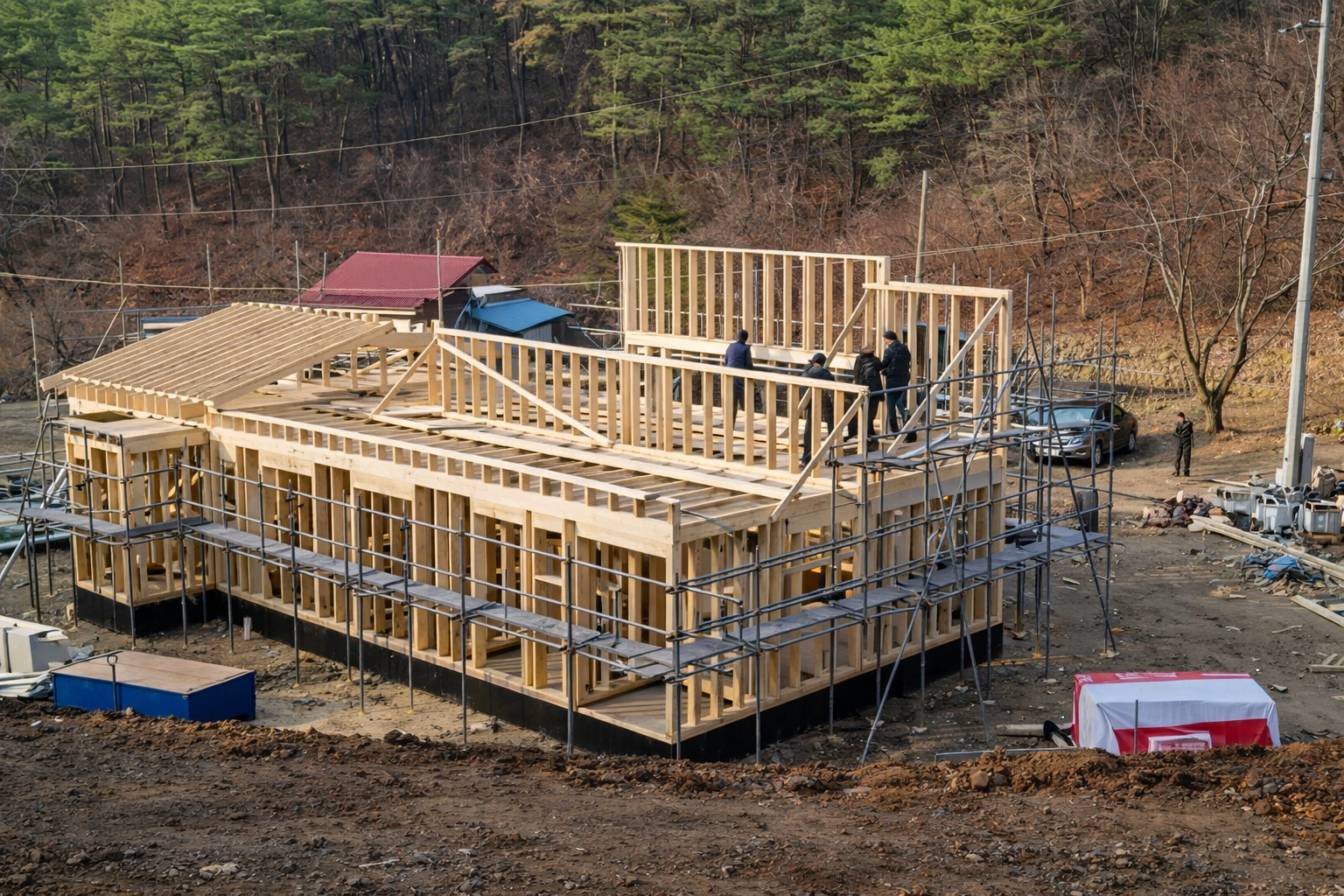
From empty land to a high-end house, wooden construction uses a lightweight system, metal structure for the foundation, ventilated ceramic cladding, and special windows to create an efficient and comfortable living space throughout the year.

According to an official note released by Petrobras, the approval of the Board of Directors represents just the first step. The state-owned company seeks to ensure that the transition process is carried out safely, ensuring the resumption of operations without new legal disputes.
Petrobras Fertilizer Production May Resume Soon
The fertilizer factories in Bahia and Sergipe are essential for the agricultural production chain of the country, especially in the production of urea, ammonia, and carbon dioxide. These products are fundamental for supplying agricultural inputs, as well as serving the chemical and food industries.
The resumption of Fafens by Petrobras is seen as a strategic move to strengthen national sovereignty in fertilizer production, at a time when the Brazilian agricultural sector faces challenges related to price volatility and global input shortages.
The reactivation of the units could have a positive impact on job creation, strengthening the regional economy, and increasing tax revenues for the states of Bahia and Sergipe.
Context of the Shutdown of Unigel’s Factories
The shutdown of Fafens occurred in March 2024, when Unigel announced the temporary suspension of operations. The company had invested approximately R$ 600 million in the units since 2020, after signing a lease contract with Petrobras.
Unigel’s main bet was on the new free natural gas market in Brazil, which promised greater competitiveness in the prices of the input used in fertilizer production. However, rising costs and regulatory instability compromised the economic viability of operations, causing the company to accumulate losses in 2023 and 2024.
Despite the suspension, Unigel reported at the time that it maintained most of the approximately 600 direct jobs generated by the factories, demonstrating the significant social impact of the units on local economies.
Strategic Relevance of Petrobras Fertilizer Factories
The nitrogen fertilizer factories of Petrobras were designed to meet the growing domestic demand for agricultural inputs. Brazil is currently one of the largest consumers of fertilizers in the world but relies heavily on imports, mainly of nitrogen, phosphorus, and potassium.
The reactivation of the Camaçari and Laranjeiras units will allow for an increase in domestic production of urea and ammonia, two of the most used products in the agricultural sector. The measure is also aligned with the federal government’s policy to reduce external dependence on fertilizers, ensuring greater food security and economic stability for the national agribusiness.
Next Steps for the Resumption of Operations
With the agreement approved, Petrobras stated that it will work together with Proquigel to fulfill all contractual requirements and ensure that the transition process is carried out efficiently. The plan provides for the progressive reactivation of the industrial plants, with initial investments in maintenance, safety adjustments, and personnel training.
An official date for the full resumption of production has not yet been disclosed, but sources close to the process indicate that the state-owned company intends to reactivate the units by early 2026, leveraging the existing structure and minimizing the need for large additional investments.
Agricultural Sector Watches the Movement Closely
The Brazilian agricultural sector watches with expectation the resumption of fertilizer production by Petrobras. The scarcity of inputs, exacerbated by international crises and currency fluctuations, has pressured agricultural production costs in Brazil in recent years.
The reopening of Fafens could contribute to a greater internal supply of fertilizers, helping to control prices and reduce the country’s vulnerability to external shocks. For rural producers, this represents an opportunity for planning with lower risk and greater cost predictability.









Seja o primeiro a reagir!