





 Português
  Inglês
  Espanhol
  4 min de leitura
  8 comentários


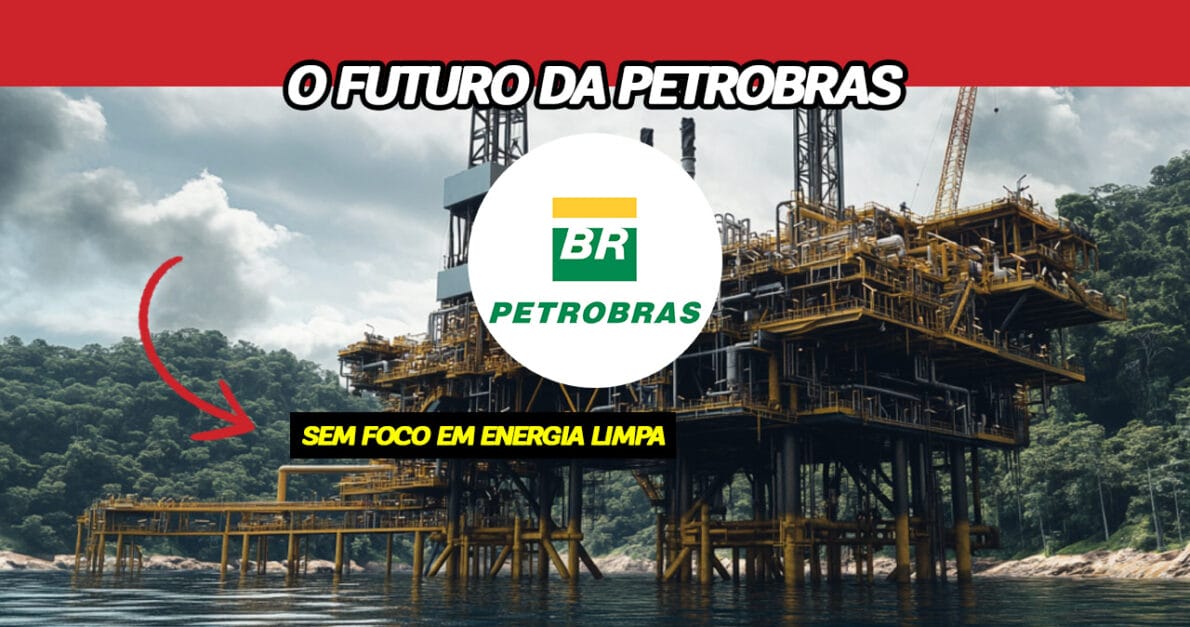

Petrobras Will Invest US$ 110 Billion by 2029, Prioritizing Oil and Gas While Ignoring Clean Energies. The Market Is Concerned About the Decision.
Petrobras is about to make a decision that could change the course of the energy sector in Brazil in the coming years.
In a global scenario of increasing urgency for sustainable solutions, the company surprises by outlining a new business plan that goes against the expectations of many analysts.
Is the oil giant underestimating the impact of renewable energies?
-
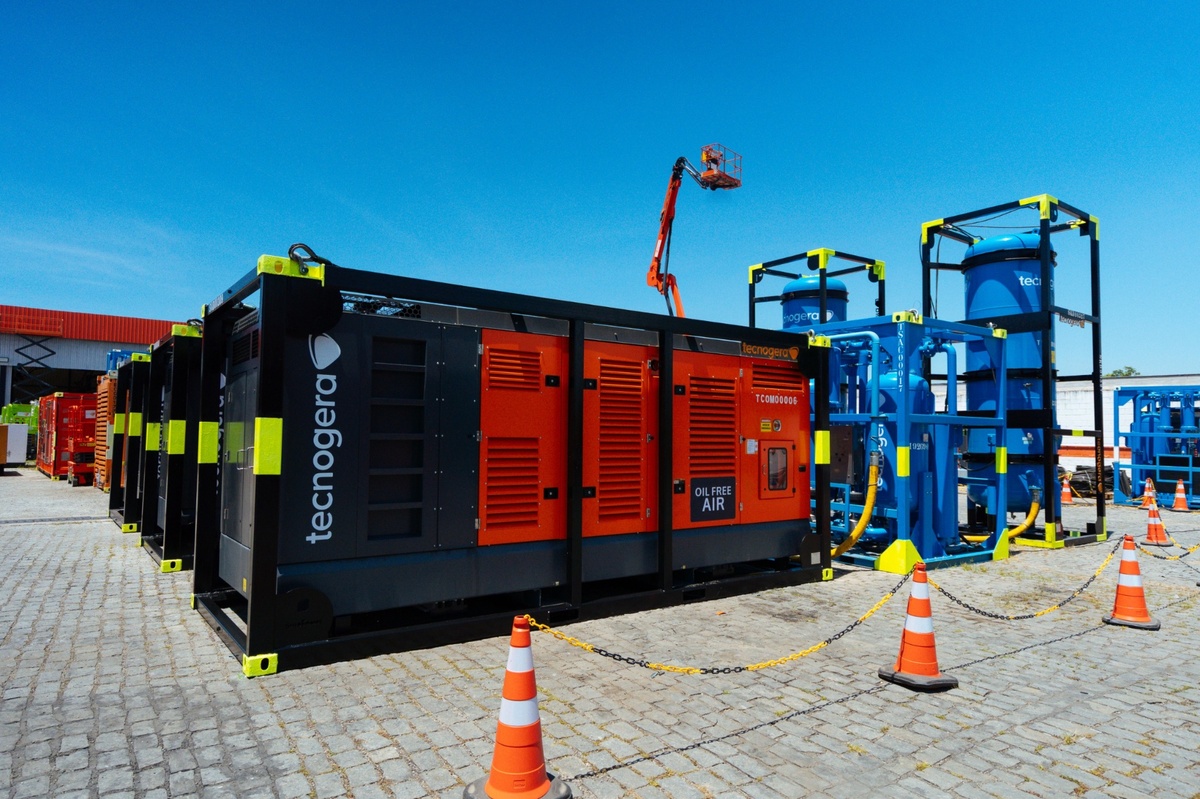
Offshore industrial demand in Macaé skyrockets with the recovery of oil and gas and could grow by up to 396% by 2026 in the Campos Basin.
-
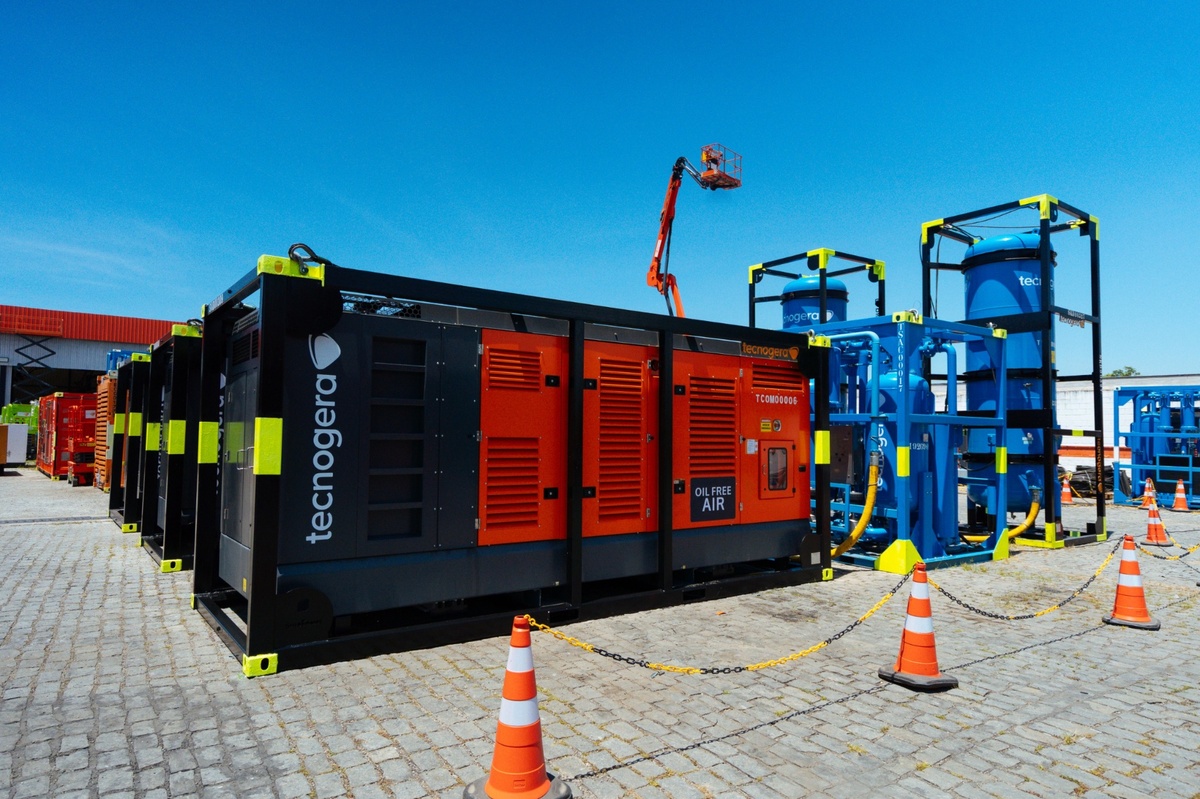
Offshore industrial demand in Macaé surges with the recovery of oil and gas and could grow by up to 396% by 2026 in the Campos Basin.
-
Brazilian giant expands borders in the Southeast: Petrobras confirms new oil discovery in ultra-deep waters in the pre-salt of the Campos Basin.

-
Alert in the global energy market: Severe tropical cyclone hits the coast and disrupts gas production at major plants in Australia, threatening global supply.


The strategic plan for the period from 2025 to 2029 will be disclosed in November, and according to market sources, it should foresee an investment of up to US$ 110 billion, exceeding the US$ 102 billion of the previous plan.
The Priority? Continue Exploring Oil and Gas, putting low-carbon projects like wind and solar in the background.
The decision is already causing discomfort among investors and experts, who were expecting a stance more aligned with the demands for decarbonization.
Plan Focuses on Oil and Gas
According to information obtained by the newspaper Valor, the new plan under the management of Magda Chambriard will emphasize the exploration of new frontiers, such as the Equatorial Margin and the Pelotas Basin, in addition to increasing the state company’s involvement in petrochemicals and fertilizers.
Projects aimed at the energy transition, which gained traction under the previous management, are likely to lose ground. Petrobras has not yet commented on the planned changes, increasing uncertainty in the market.
According to the portal Valor Econômico, experts are paying close attention, and the initial reactions have been cautious. The expectations for a greater focus on clean energies seem increasingly distant, according to analysts close to the company.
This comes at a critical moment when the world faces an escalating climate crisis, and reducing greenhouse gas emissions is seen as a global priority.
Impacts on the Energy Future
In the previous plan, covering the period from 2024 to 2028, about 11% of investments were directed toward low-carbon projects. However, the new direction of Petrobras does not seem willing to maintain this proportion.
Internal sources indicate that the replacement of oil and gas reserves, as well as environmental licensing for the exploration of new areas, such as the Equatorial Margin, will be at the company’s forefront in the coming years.
The search for a “new pre-salt”, as highlighted by a source close to the company, reflects Petrobras’ desire to ensure its dominance in the hydrocarbon sector, even in a scenario of internal and external pressures for sustainable changes.
For many, this signals a possible loss of relevance for projects such as solar energy, wind, and green hydrogen, which could play a vital role in the transition to a low-carbon economy.
The Market Reacts Cautiously
For the market, the scenario is one of uncertainty. Analysts note that although Petrobras’ new plan is expected to bring significant investments, there are fears that the increased capital allocated to new projects will not translate into significant results.
The issue of Capex (capital expenditures) was raised by experts, such as Ilan Arbetman from Ativa, who warns of the risks of inefficient execution of investments due to factors such as inflation and regulatory difficulties.
Additionally, analysts expect that decarbonization will be treated as a secondary issue, which contrasts with the previous guidelines that attempted to balance investments in fossil fuels and clean energies.
Monique Greco from Itaú BBA reminds us that the current president of Petrobras, Magda Chambriard, has already stated that she does not intend to change the current plan’s guidelines, indicating a continuation of the state-owned company’s priorities.
Potential Changes and Challenges
However, the market is still awaiting more clarity. According to Felipe Perez from S&P, Petrobras needs to be transparent in its plans to regain the confidence of investors and the public.
Although the company’s strategic plan is an important reference, adjustments may be made along the way as new market demands emerge and the global energy landscape transforms.
Throughout 2024, the debate about Petrobras’ role in the clean energy sector and its stance on decarbonization will be a critical point.
For analysts and environmentalists, the expectation is that the state-owned company aligns itself with global practices of sustainability, but the signs so far indicate a near-exclusive priority on oil and gas, which could have consequences for both the market and the company’s reputation in the long run.
Reader, in your view, should Petrobras invest more in clean energy or should it indeed prioritize gas and oil in the coming years? Share your opinion in the comments! Until next time!









Como bem destaca a matéria não há uma posição oficial, por parte da Petrobrás. O mercado e analistas estão na expectativa de um anúncio, portanto, devemos aguardar melhores informações quanto às diretrizes, para daí, então, tecer uma opinião e posicionamento com relação às políticas adotadas pela empresa.
Muito blá-blá-blá, 2 anos de governo e só mídia… investimento que é bom Nada!!a
A estratégia tem que ser equilibrada, estamos diante de uma encruzilhada: garantir a continuidade da exploração do petróleo através da exploração de novas áreas que possuem o petróleo, como também iniciar uma transformação de objetivos a médio e longo prazos de forma a que a Petrobrás se transforme em tempo hábil em uma empresa de energia limpa. Não se deve escolher uma só alternativa, esse é
o meu ponto de vista.