





 Portuguese
  English
  Spanish
 5 min of reading
  0 comments


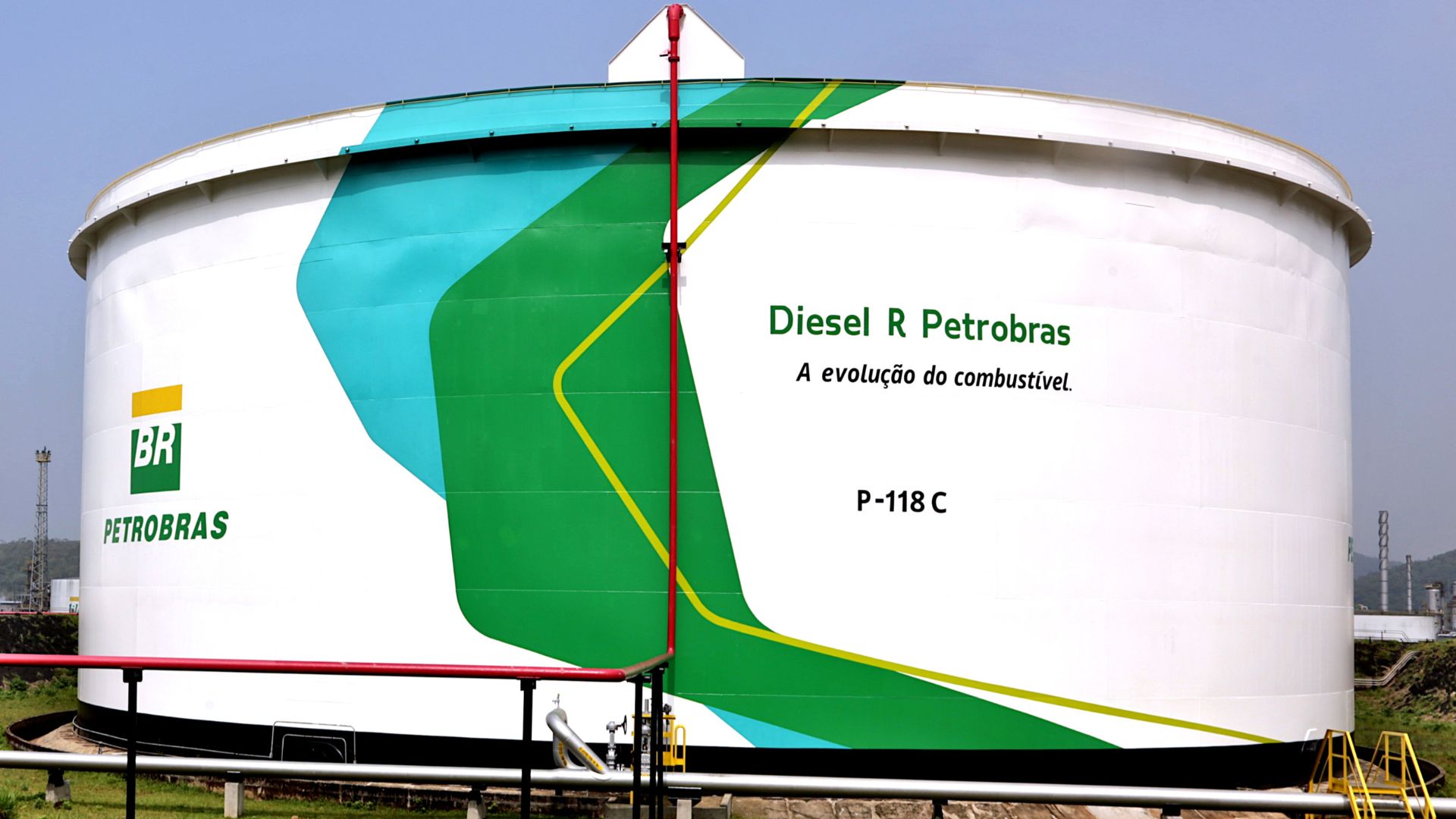
Petrobras Announces Supply of Fuel with Renewable Content for COP 30 in Belém, Reinforcing Its Leadership in Energy Transition and Advancing Sustainable Solutions in Brazil
On November 4, 2025, Petrobras announced that it will be responsible for supplying S10 diesel with 10% renewable content during the 30th United Nations Conference on Climate Change (COP 30), scheduled to take place from November 10 to 21, 2025, in Belém (PA).
The Brazilian state-owned company has partnered through an agreement with the Organization of Ibero-American States (OEI), aimed at ensuring the sustainable supply of the bus fleet and electric power generators that will support the event. This measure strengthens the company’s commitment to energy transition and the development of solutions that reduce greenhouse gas emissions.
Petrobras Initiative: Fuel with Renewable Content
According to Angélica Laureano, Director of Energy Transition and Sustainability at Petrobras, COP 30 represents a significant opportunity to update the global agenda and drive concrete actions to address climate change.
-
The Economist states that Brazil has a “secret weapon” against expensive oil and highlights how the country can reduce economic impacts even in international scenarios of high volatility.

-
Brazil accelerates decarbonization in the South: International forum in Foz do Iguaçu gathers leaders to discuss the advancement of biomethane in the energy matrix and the potential of “caipira pre-salt.”

-
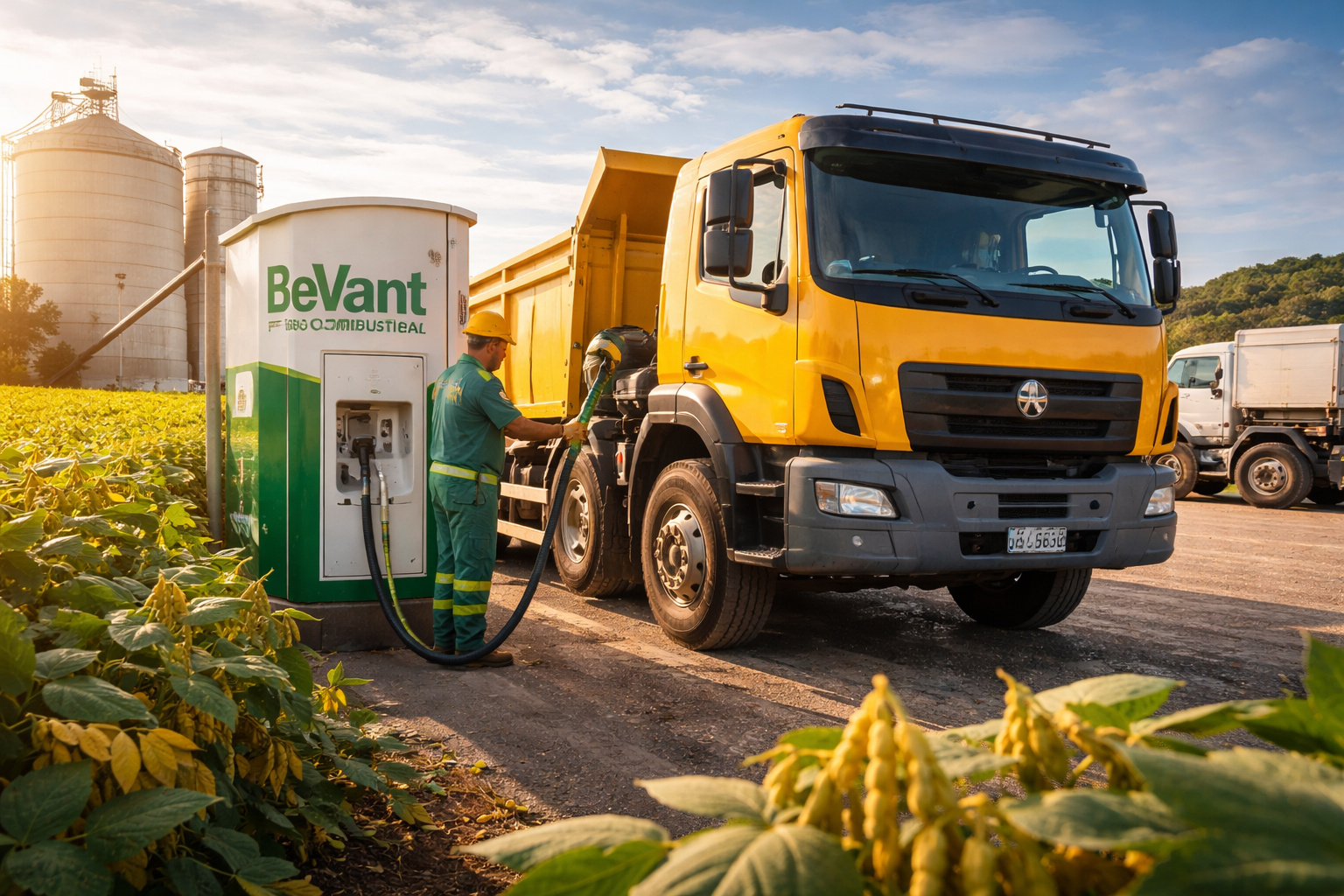
As diesel prices soar due to conflicts in the Middle East, a Brazilian city decides to test a little-known biofuel that promises to completely replace fossil fuel without adaptation and could change the future of energy in the country.
-
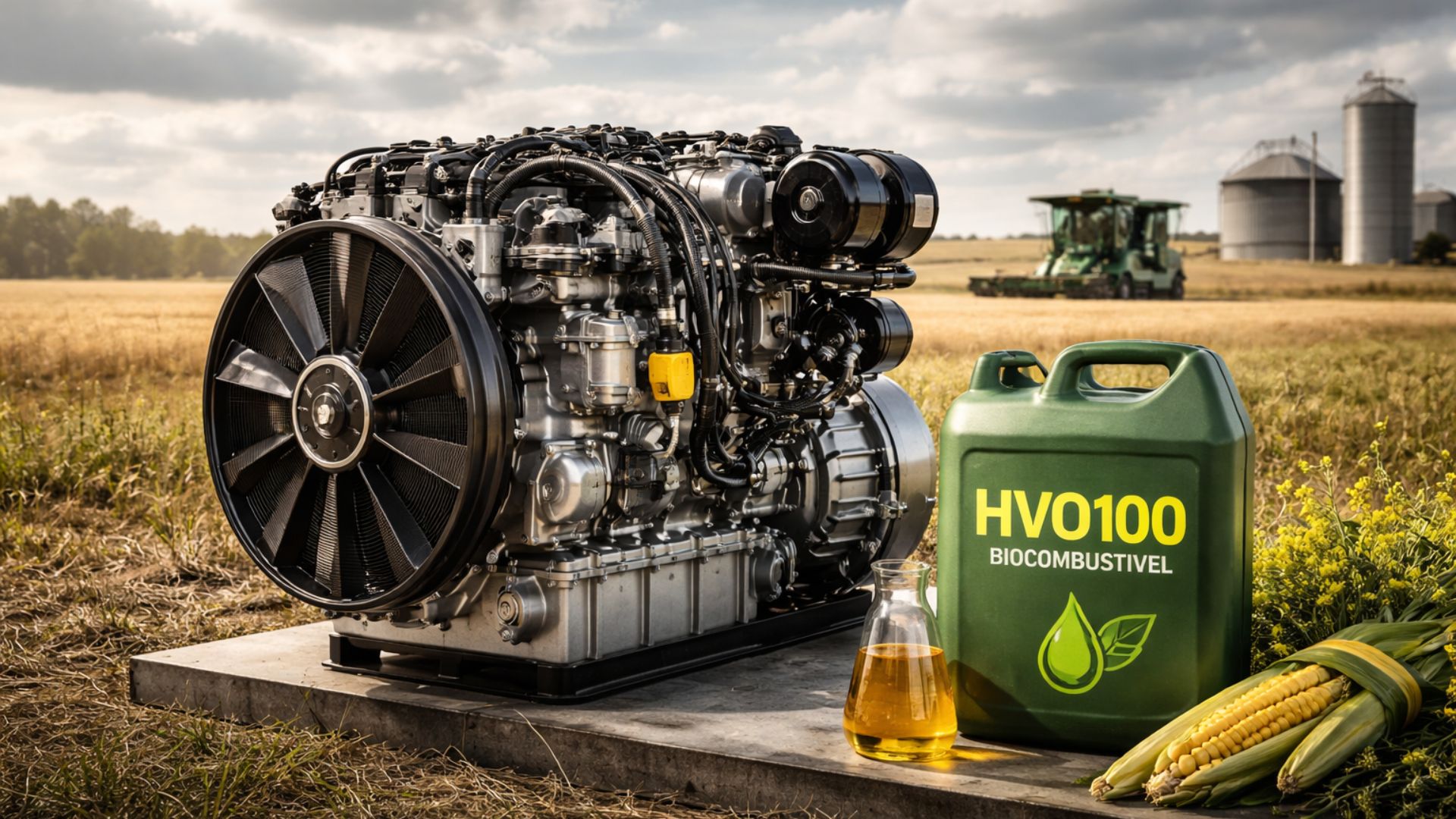
Innovation with biofuel engines transforms agribusiness by replacing diesel without the need for major adaptations, ensuring energy efficiency and helping to reduce dependence on oil.

COP 30 will be the main climate event of 2025 and will place Brazil at the center of international discussions on sustainability. By hosting the meeting, the country also presents initiatives that highlight its capacity to innovate in the use of low-carbon fuels.
The R10 diesel, the technical name for the product to be supplied, consists of 90% mineral diesel and 10% renewable content derived from plant sources. This blend reduces the carbon footprint and contributes to mitigating environmental impacts without compromising engine performance.
In addition to supplying the transportation fleet for COP 30, the product will be used in the electric power generators that will support the event’s infrastructure — a practical and immediate way to demonstrate the potential of sustainable solutions in the energy sector.
Energy Transition and Sustainable Goals of Petrobras
Petrobras has been increasing its investments in projects related to energy transition, focusing on efficiency, decarbonization, and diversification of its product matrix. The company’s strategy involves both expanding the production of biofuels and developing new technological pathways for clean energy.
Among the ongoing initiatives are:
- Production of Renewable Diesel and Sustainable Aviation Fuel (SAF);
- Partnerships with universities and research centers for the development of advanced biofuels;
- Wind and solar energy pilot projects, integrated into the company’s portfolio;
- Carbon offset actions and emission monitoring in its operations.
The state-owned company also maintains the “Commitment to Climate” program, which aims for carbon neutrality in operational emissions by 2050, aligning with the goals of the Paris Agreement. The supply of fuel with renewable content for COP 30 is a concrete example of how the company intends to translate its commitments into practical and verifiable actions.
Environmental Benefits and Impact of Using Renewable Fuel
The diesel with renewable content represents a direct reduction in greenhouse gas emissions, especially carbon dioxide (CO₂), the main responsible for global warming.
Although the renewable percentage may seem modest, industry studies indicate that adding 10% renewable content to mineral diesel can reduce CO₂ emissions by an average of 2% to 6%, depending on the source and the life cycle of the raw material used in the production of the biofuel.
This result, when replicated on a large scale, has the potential to generate significant environmental gains. Moreover, the use of this fuel in generators and urban transport buses demonstrates its viability in different applications — which helps break technological and market barriers.
Petrobras emphasized that the product has the same physicochemical properties as regular diesel, allowing for its use without the need for engine modifications.
COP 30 and Brazil’s Role in the Climate Agenda
The choice of Belém as the host for COP 30 has symbolic and strategic value. Located in the Amazon, the city represents the importance of preserving tropical biomes and the sustainable development of regions that contain some of the largest biodiversity reserves on the planet.
The event is expected to bring together heads of state, researchers, and business leaders from over 190 countries, reinforcing the need for effective commitments to reduce global emissions. The provision of renewable fuel by Petrobras shows that the country seeks to lead by example, presenting its own solutions to the challenges of energy transition.
According to the Ministry of the Environment, Brazil intends to use COP 30 to announce new national climate goals and strengthen its position as a reference in clean energy and biofuels.
Petrobras and Prospects for the Fuel and Innovation Sector
The supply of diesel with renewable content during COP 30 can serve as a benchmark for future public policies and private investments in the Brazilian energy sector.
Petrobras has been developing, at its refineries, processes that allow for co-processing vegetable oils and mineral diesel, generating hybrid products that meet sustainability requirements. This production model reduces costs and facilitates the gradual adoption of fuels with lower environmental impact.
In addition, Petrobras is evaluating gradually increasing the use of renewable content in its fuels, aligning with decarbonization targets and the energy transition outlined in the Strategic Plan 2024-2028. Such progress could position Brazil among the leading producers of renewable fuels in Latin America.
The integration of scientific research, public investment, and market demand will be essential to transform isolated actions — such as supplying COP 30 — into permanent energy innovation policies.

Sustainable Pathways for Brazil’s Energy Future
The contribution of Petrobras of diesel with 10% renewable content for the COP 30 in Belém-PA represents much more than a symbolic gesture. It is a concrete step in building a more sustainable energy matrix, capable of uniting economic development, innovation, and environmental responsibility.
The energy transition is already underway, and the leadership of state and private companies will be crucial to accelerate this transformation. Providing clean fuel for a global event shows that Brazil has the technology, infrastructure, and logistical capacity to lead the production of low-carbon energy.
The challenge from here on will be to transform isolated commitments into ongoing strategies, ensuring scale, competitiveness, and market adoption. As fuels with renewable content become more accessible, the country can consolidate an economy based on innovation, sustainability, and real emission reductions.









Seja o primeiro a reagir!