





 English
  Francês
  Alemão
  Italiano
  Japonês
  Norueguês
  Portuguese
  Spanish
  4 min of reading
  78 comments


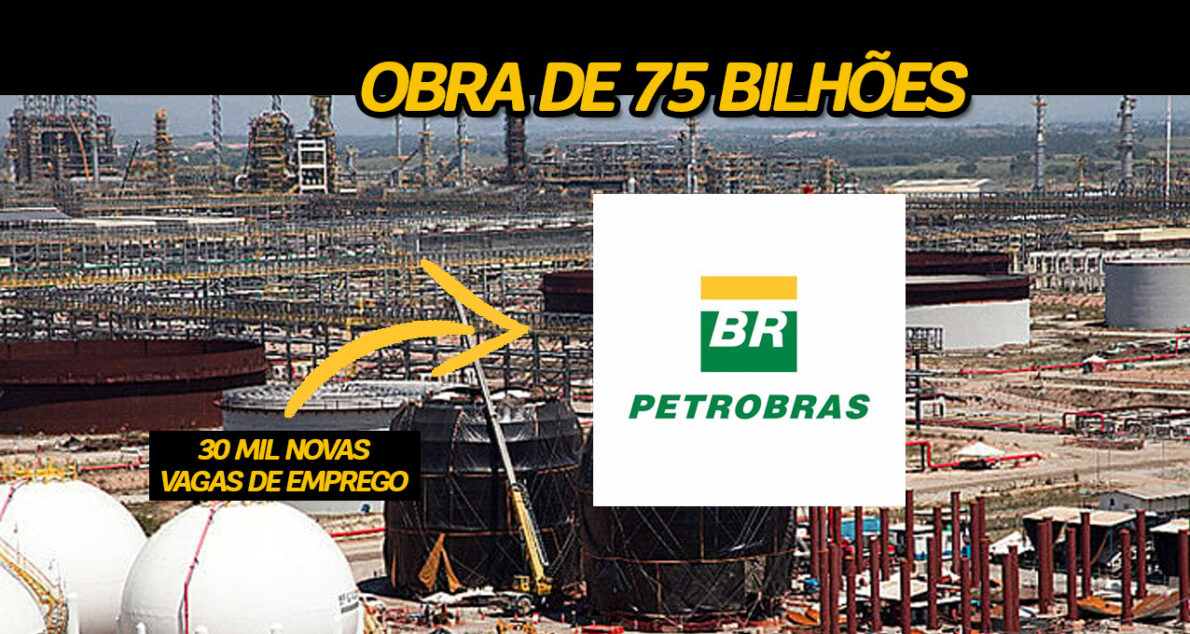


Petrobras Surprises and Announces the Resumption of a Billion-Dollar Project That Had Been Halted for Almost a Decade. Construction Promises to Redefine the Economic Landscape of Brazil.
With an estimated investment of R$ 75 billion, the project aims not only to revitalize oil and gas production in the country but also to generate about 10,000 direct jobs and 20,000 indirect jobs, significantly impacting the local and national economy.
A Sleeping Giant
The Gaslub Hub, formerly known as the Petrochemical Complex of Rio de Janeiro (COMPERJ), was initially designed to be one of the largest petrochemical complexes in the Southern Hemisphere. Launched in 2008, the project aimed to transform Brazil into a global power in the refining and petrochemical sector, with a processing capacity of 165,000 barrels of oil per day.
However, management issues, corruption scandals, and the economic crisis that hit Brazil in the mid-2010s interrupted construction in 2015, leaving the complex unfinished and without a timeline for completion.
-
Expansion of Federal Institutes: 38 new campuses and R$ 200 million for public education; see the cities included.

-
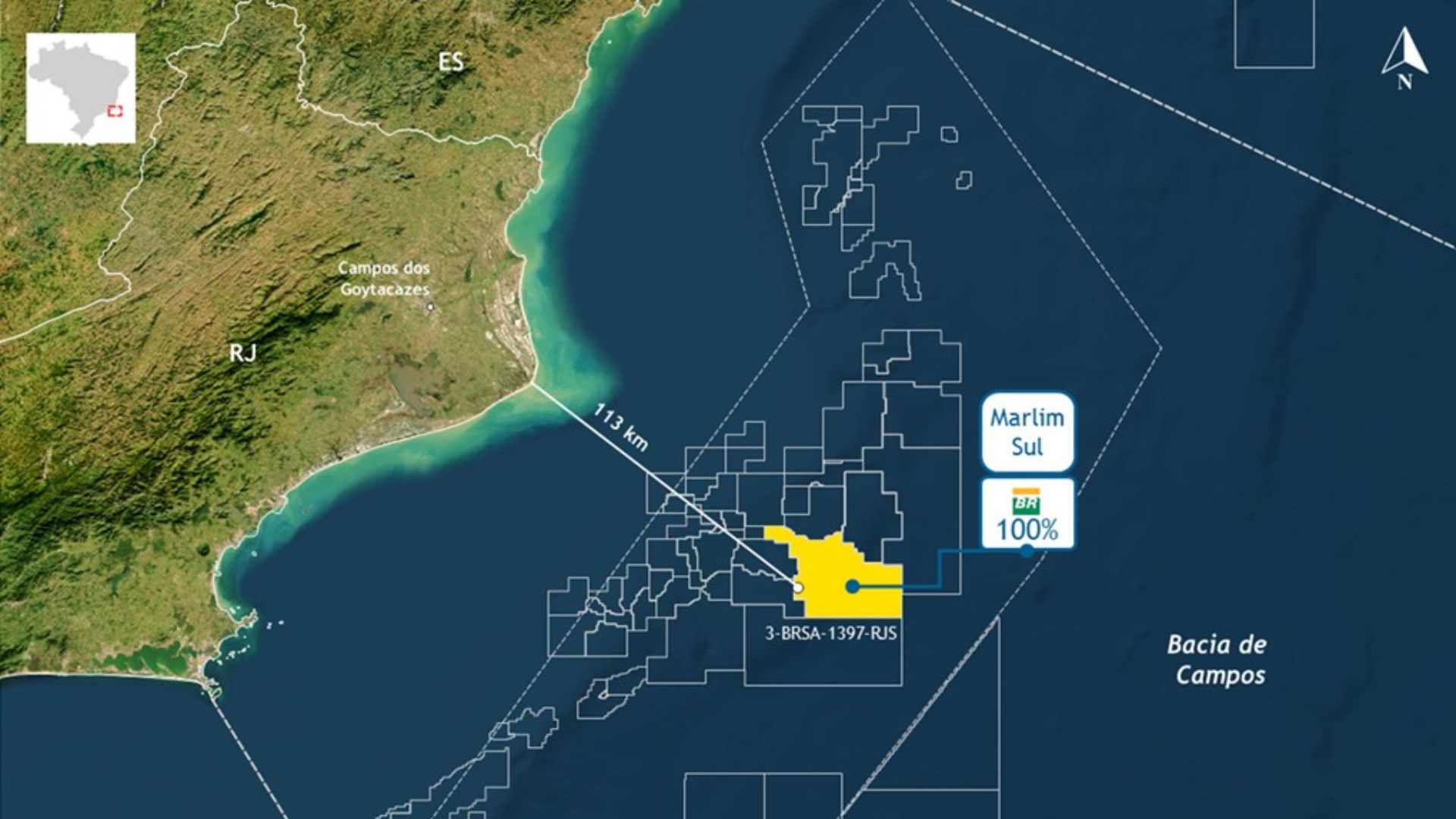
Petrobras announces new oil discovery in the pre-salt of the Campos Basin and reinforces Brazil’s prominence with high-quality reserves that can increase production and energy revenues.
-
Alert in the fuel market: Analysts and a former director of ANP warn that oil prices may worsen in the coming months due to global instability.
-
Lula’s government changes rule in important benefit and thousands of Brazilians will no longer receive it; see what has changed.


In 2024, under new management and with a revised strategy, Petrobras announced the resumption of construction, aiming to complete the complex by 2028.
The total investment of R$ 75 billion will be distributed over four years, with most of the resources allocated to completing the Natural Gas Processing Unit (UPGN) and building a new refinery.
Economic Impact and Job Generation
One of the main attractions of the old COMPERJ is the promise of generating around 10,000 jobs, both in construction and in the operation of the complex. This not only relieves the pressure on the local job market but also boosts the economy of the Itaboraí region, where the complex is located.
With a population of about 240,000 inhabitants, Itaboraí saw its economy stagnate after the suspension of construction in 2015, but now hopes for significant revitalization with the resumption of the project.
In addition to direct jobs, Petrobras estimates that more than 20,000 indirect jobs will be created along the supply chain, spanning from raw material suppliers to logistics and transportation services.
This represents a significant impact on the economy of the state of Rio de Janeiro, which has faced financial difficulties in recent years.
The New Strategy of Petrobras
The resumption of the old COMPERJ, now Gaslub Hub, is part of a broader strategy by Petrobras to expand its refining capacity and reduce dependence on imported petroleum derivatives. With the new refinery in the complex, Petrobras plans to increase the production of S-10 diesel and other high-quality fuels, aligning with the demands of both domestic and international markets.
Another crucial point is the production of natural gas. With the UPGN, the Gaslub Hub will be able to process gas extracted from pre-salt fields, increasing the supply of natural gas in the Brazilian market. This move is seen as essential to reduce dependence on more polluting fossil fuels, such as diesel and gasoline, and to strengthen the country’s energy matrix, which is increasingly focused on renewable resources.
According to Petrobras, the complex will also contribute to reducing the cost of oil production in Brazil, making pre-salt exploration even more competitive in the international scenario.
Currently, the production cost in the pre-salt is among the lowest in the world, and the expectation is that the Gaslub Hub will help reduce these costs even further, enabling Brazil to increase its share in the global oil market.
Financing and Sustainability
The financing of the project will be primarily funded by Petrobras’ own resources, but the company is also seeking partnerships with private investors and international financial institutions to ensure the project’s viability. In addition, Petrobras is committed to the sustainability of the Gaslub Hub, adopting cutting-edge technologies to minimize the environmental impact of the complex.
Among the innovations are carbon capture and storage (CCS), which will significantly reduce the CO2 emissions from the complex, and the use of renewable energy to supply part of the energy needs of the Gaslub Hub.
The company is also investing in environmental compensation programs and social projects in the Itaboraí region, seeking to ensure that the economic benefits of the project are accompanied by social and environmental gains.
The Future of Gaslub Hub
With completion expected by 2028, the old COMPERJ has the potential to transform Brazil into one of the world leaders in the petrochemical sector.
However, significant challenges still need to be overcome, including the need to secure adequate financing and manage the risks associated with large infrastructure projects.
The question that remains is whether Petrobras will be able to fulfill the promises made and deliver a complex that truly changes Brazil’s economic course.
With an investment of R$ 75 billion and the expectation of creating 10,000 jobs, the Gaslub Hub is a high-stakes bet, but if successful, could position Brazil prominently in the global energy landscape.








Como faço para trabalhar nessa obra
Roubo certo
Importante Pará uis brasileiro