





 English
  Francês
  Alemão
  Italiano
  Japonês
  Norueguês
  Portuguese
  Spanish
  3 min of reading



Oil companies Shell, Total, Petrogal, Repsol, and Equinor aim to be exempt from the 9.2% tax on crude oil export activities. PRIO had already filed a request in Federal Court, and the market projects new actions by national and international companies.
The national oil and natural gas market is witnessing another movement from major players in the sector seeking tax benefits in Brazil. The multinational oil companies Shell, Total, Petrogal, Repsol, and Equinor have filed a lawsuit in Federal Court requesting the suspension of the tax on crude oil exports. Additionally, the Liberal Party (PL) has filed a Direct Action of Unconstitutionality in the Supreme Court against the tax.
Federal Court Handles Requests for Actions Against the Tax on Crude Oil Exports in the National Market Last Week
The movement in the oil and natural gas sector to end the 9.2% tax on crude oil export activities in Brazil continues to gain momentum.
The Federal Court has now received a request for action to suspend the tax from the multinational oil companies Shell, TotalEnergies, Petrogal, Repsol, and Equinor.
-
Brazilian giant expands borders in the Southeast: Petrobras confirms new oil discovery in ultra-deep waters in the pre-salt of the Campos Basin.

-
Alert in the global energy market: Severe tropical cyclone hits the coast and disrupts gas production at major plants in Australia, threatening global supply.

-
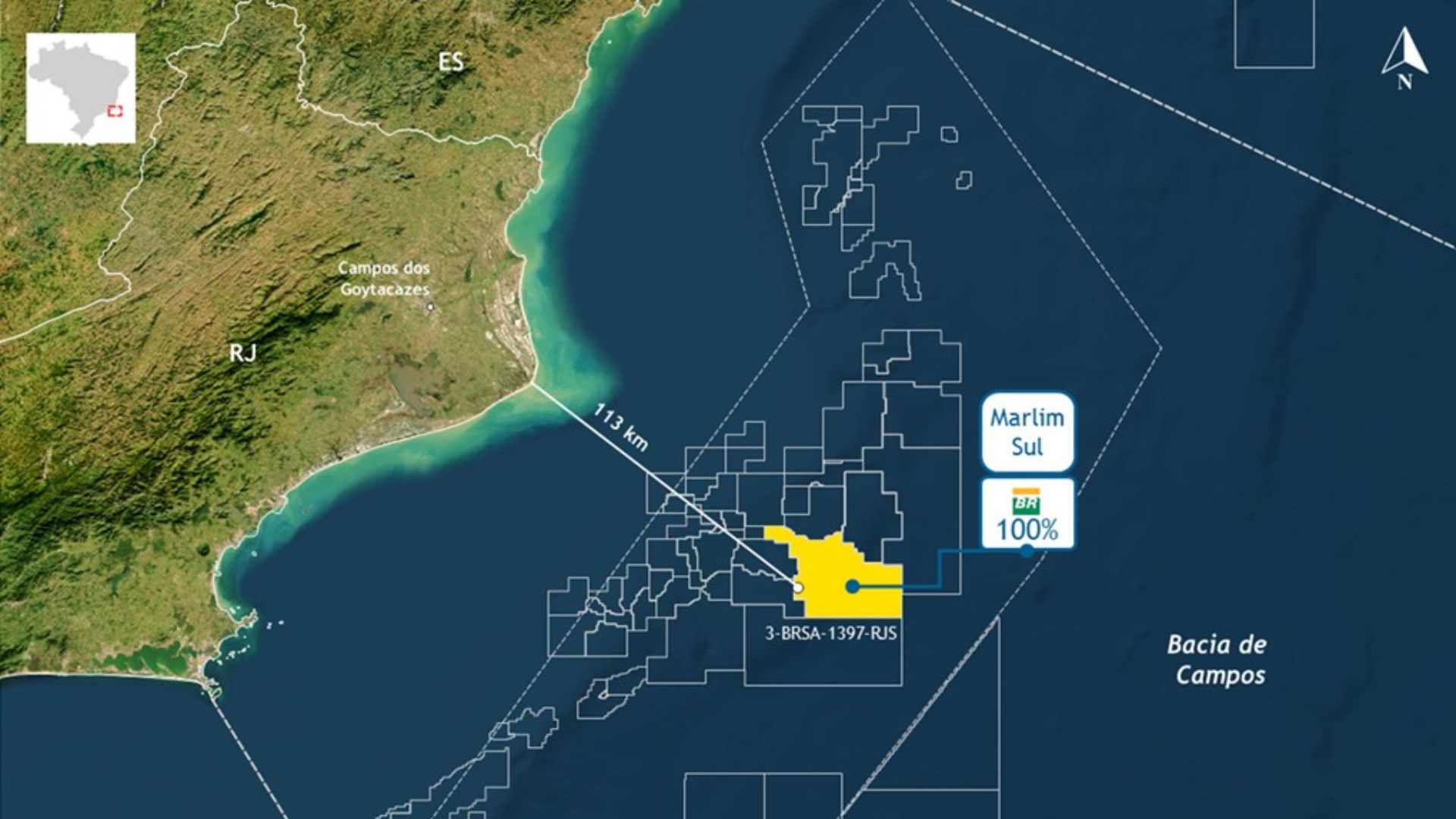
Petrobras finds high-quality oil in the pre-salt at 113 km from RJ and reignites expectations about strategic reserves in the Campos Basin.

-
Ocyan opens registrations for startups focused on innovation in the oil and gas sector and will select projects for Innovation Day with the support of Nexio.


According to experts in the national oil sector, more companies are expected to follow the trend of the oil companies, in addition to PRIO, which has already filed a lawsuit on the same matter.
In parallel to the request presented to the agency, the Liberal Party (PL) has filed a Direct Action of Unconstitutionality regarding the tax.
According to the request, the Federal Government sought to “evade, even unconstitutionally, the principles of anteriority (a constitutional safeguard), predictability, and legal certainty.” Minister Gilmar Mendes will be responsible for reporting on the case.
The tax on crude oil export activities in Brazil was created and implemented overnight, without prior preparation in the market.
In addition to affecting the multinational oil companies that invest billions of dollars annually in the national oil and gas sector, the tax also impacts Petrobras’s operations. The state-owned company’s shareholders are mobilizing for action against the tax.
Shell and Other Oil Companies Warn of Investment Uncertainties in the National Market Following Approval of the Tax on Crude Oil Exports
By filing the request in Federal Court to end the tax on crude oil exports, the multinational oil companies highlighted their main points in the action.
Among them, Shell stated that it is uncertain about investments in the national market following the approval of the measure.
“The measure, which was announced without significant dialogue with the industry, brings uncertainty about new investment decisions, affecting Brazil’s competitiveness in the exploration and production sector — in which the country has strong geological potential,” the company stated.
The company is the second-largest producer in Brazil, behind only Petrobras, with a daily production capacity of 400,000 barrels/day. Additionally, it exports nearly 100% of all produced barrels.
Thus, it is one of the main oil companies to be affected by the tax on the export of the product.
Now, industry representatives are working to ensure that Congress does not approve this article of the MP. However, the sector’s desire is that the tax not only be disapproved but also not implemented as a permanent measure in the market.
Multinational oil companies continue their actions in Federal Court to prevent the imposition of the tax on crude oil exports this week.









Seja o primeiro a reagir!