





 Portuguese
  English
  Spanish
  3 min of reading
  0 comments


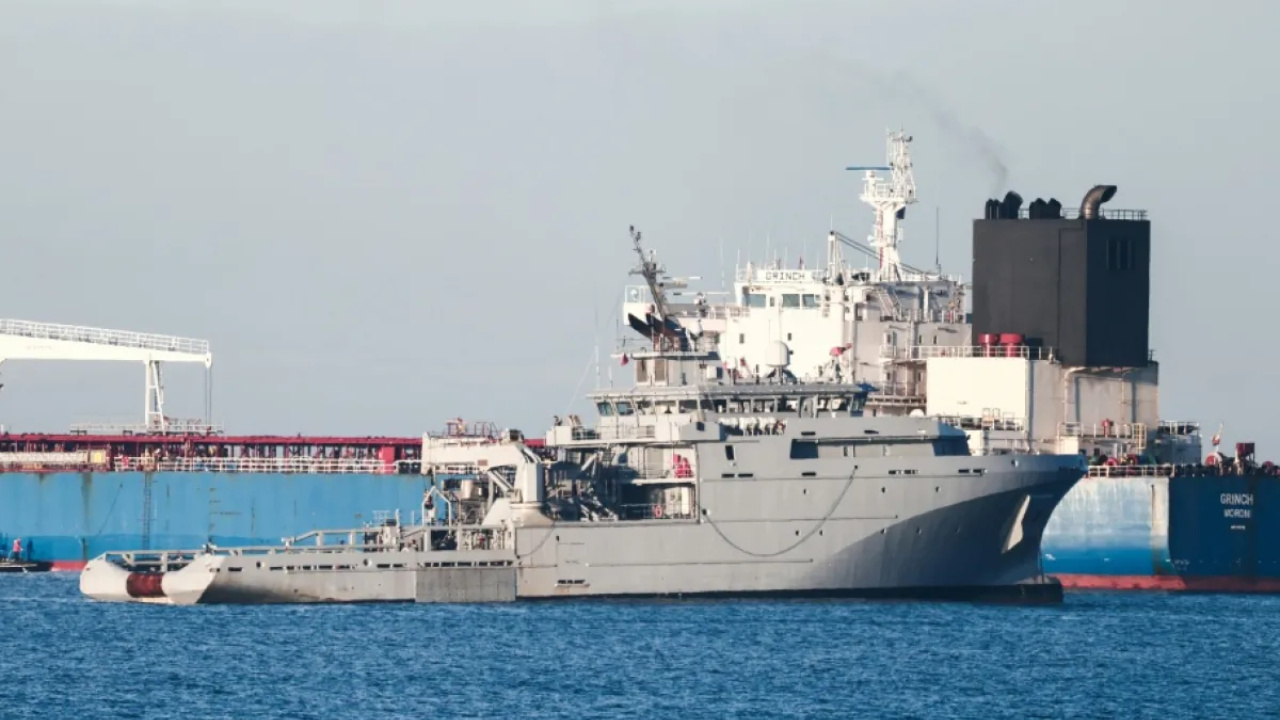
France Released A Tanker Linked To The Called Russian Ghost Fleet After Payment Of Millions Of Euros, Reigniting The Debate On Sanctions And Oil Transport.
The circulation of tankers suspected of evading international sanctions has returned to the spotlight.
This time, the focus is on the ship “Grinch,” which was intercepted by French forces and, after weeks of detention, was eventually released.
The case exposes how the transport of oil linked to Russia continues to challenge the blockades imposed after the war in Ukraine.
-
Petrobras evaluates suspension of sales to distributors and considers canceling the cooking gas auction following guidelines from the Federal Government.
-
Lula reveals a masterstroke by Petrobras to undo a deal made by Bolsonaro, which involves the return of an important refinery that currently produces less than half of what was expected and makes Brazil dependent on international diesel.
-
A study confirms that the natural gas sector will reduce greenhouse gas emissions in Brazil by 0.5% and accelerate the energy transition by 2026.

-
Petrobras implements a severe adjustment and confirms a 55% increase in the price of aviation kerosene with a proposal for installment payments for the companies.


At the same time, European authorities are trying to show that the penalties are effective, even when vessels resume sailing.
Approach At Sea And Escort To France
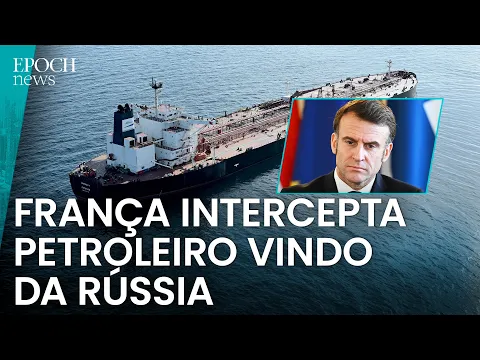
The tanker was approached last month while sailing between Spain and Morocco. It was coming from Russia. Shortly after, it was escorted to a port near the city of Marseille, in southern France.

According to the services MarineTraffic and VesselFinder, the ship was sailing under the flag of Comoros.
For Western governments, this is a common sign of operations linked to the so-called “ghost fleet,” composed of old ships with unclear ownership.
These vessels are used to transport oil to countries like Russia and Iran, even in the face of sanctions from the United States, the European Union, and the G7.
France announced on Tuesday (17) that the tanker was released. This only happened after the owner paid a fine of several million euros.
“The tanker ‘Grinch’ leaves French waters after paying several million euros and undergoing a costly three-week immobilization,” stated France’s Foreign Minister Jean-Noël Barrot on social media site X.
Thus, the ship was able to continue its journey, although under strong international surveillance.
Ghost Fleet And War In Ukraine
Since the invasion of Ukraine in 2022, several countries have accused Moscow of setting up a parallel fleet of tankers. The goal would be to continue selling oil and thus maintain financing for the war.
These sanctions have removed many ships from traditional insurance and maritime transportation systems. Nevertheless, they continue to operate on alternative routes.
For Paris, the case of the Grinch shows that escaping penalties comes at a cost. “Avoiding European sanctions has a price.
Russia will no longer be able to finance its war with impunity through a shadow fleet off our coast,” declared Barrot.
Meanwhile, the global oil market remains vigilant to every movement of these tankers, which can influence prices and supply.
What is your opinion on the orders to intercept “ghost fleets”? Do you think these fines really manage to curb the use of tankers or does everything continue as before?









Seja o primeiro a reagir!