





 Portuguese
  English
  Spanish
 5 min of reading
  0 comments



Oil Workers Protest at Replan and PBio Units, Demanding Petrobras to End Outsourcing and Strengthening National Mobilization for Labor Rights
In a national mobilization for rights, maintenance of state control, and defense of Petrobras, oil workers held a significant protest at the Paulínia Refinery (Replan) and at units of Petrobras Biocombustible (PBio) on Thursday (2), according to Sindipetro.
Organized by the United Federation of Oil Workers (FUP) and the Unified Sindipetro, the event is part of a series of demonstrations celebrating the 72 years of the state-owned company and denouncing the risks of total outsourcing in its subsidiaries.
Protest at Replan Marks Resistance Against Privatization of PBio
The protest at Replan, Petrobras’s largest refinery, took place on the morning of Thursday (2), gathering dozens of workers in a symbolic and strategic act. The location was chosen for its operational and historical significance, being one of the country’s main refining hubs.
-
Brazilian giant expands borders in the Southeast: Petrobras confirms new oil discovery in ultra-deep waters in the pre-salt of the Campos Basin.

-
Alert in the global energy market: Severe tropical cyclone hits the coast and disrupts gas production at major plants in Australia, threatening global supply.

-
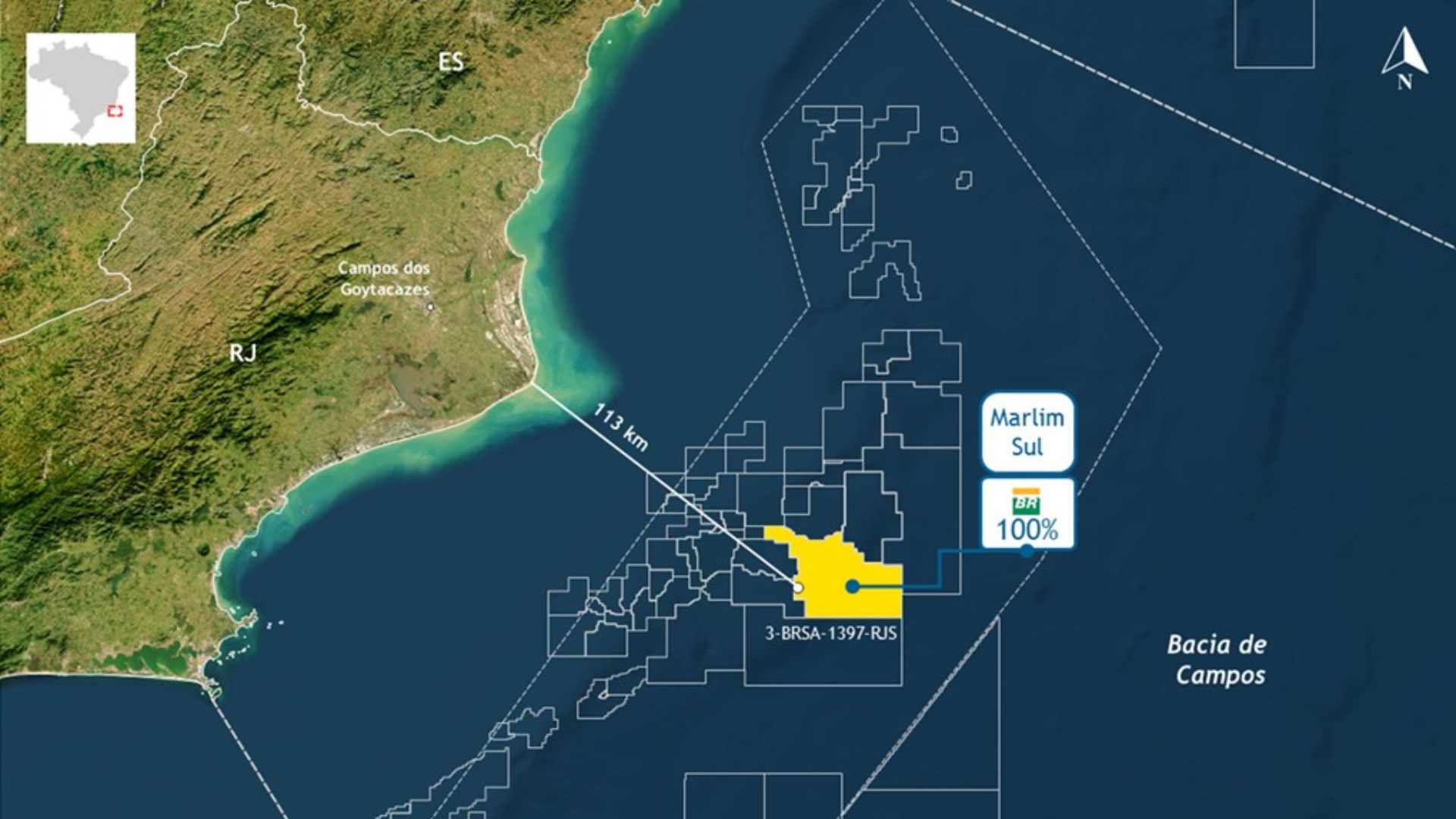
Petrobras finds high-quality oil in the pre-salt at 113 km from RJ and reignites expectations about strategic reserves in the Campos Basin.

-
Ocyan opens registrations for startups focused on innovation in the oil and gas sector and will select projects for Innovation Day with the support of Nexio.


The protest is part of an agenda that began on September 30 in São Caetano do Sul and includes stops at units in Capuava, Barueri, Montes Claros (MG), Candeias (BA), São José dos Campos (SP), Araucária (PR), and Canoas (RS). The mobilization aims to denounce the advance of outsourcing and defend the strategic role of Petrobras and PBio in the national energy matrix.
“Mobilizing is worth it!”, stated Pedro Augusto, director of Sindipetro, highlighting recent achievements such as the exemption from Income Tax for salaries up to R$ 5,000 and the taxation of the super-rich.
PBio and Petrobras: Strategic Subsidiary Threatened by Outsourcing
During the protest, the future of PBio was one of the central themes. Uiran Kopcak, responsible for the Social Responsibility area at Replan, emphasized that PBio plays an essential strategic role for the company, both in the present and for future challenges.
He highlighted the subsidiary’s role in the production of renewable fuels, such as biodiesel and kerosene from alcohol, which are essential for Brazil’s energy transition.
According to Kopcak, Brazil has a competitive advantage over Europe, where electrification still depends on fossil sources. The use of ethanol and biofuels represents a more environmentally sustainable and strategic alternative for the country.
PBio, established in 2008, is responsible for promoting the biofuels market and expanding Petrobras’s presence in renewable sources. However, the proposal for total outsourcing threatens its structure and compromises its mission.
Outsourcing at PBio: Business Model Generates Uncertainty
Juliano Deptula, director of the Unified Sindipetro, warned of the dangers of the business model presented by a PBio director in a live broadcast. The proposal envisions “staff leasing and total outsourcing, including core activities”, which recalls the case of ANSA, a Petrobras subsidiary that resulted in mass layoffs in 2020.
Maju Wegher, a TBG worker and Sindipetro director, emphasizes that with each government change, uncertainty regarding job continuity is faced. The instability in the subsidiaries reinforces the need for state control and the appreciation of internal workers.
According to the protesters, unrestricted outsourcing compromises service quality, undermines labor relations, and weakens national energy sovereignty. The oil workers advocate that PBio should be strengthened as Petrobras’s renewable arm, with public investments and direct management.
Collective Agreement: Oil Workers Demand Respect for Rights
In addition to the PBio agenda, the protest addressed the negotiation of the Collective Labor Agreement (CLA). Rodrigo Araújo criticized the current administration’s austerity policy, claiming that it refuses to invest in its internal workers while sustaining contracts with outsourced companies that delay payments and reduce benefits.
Retired Eliane Frozel, with 36 years at Petrobras, called for solidarity from the active category, reminding that since 2019 retirees have lost about 45% of their income due to adjustments from Petros.
Deptula also mentioned the wear and tear in the negotiations of profit sharing and CLA, accusing the company of deceiving the category at the negotiation table. The oil workers demand recognition, respect for acquired rights, and transparency in negotiations.
Petrobras and PBio: National Heritage at Risk
The defense of Petrobras and PBio goes beyond labor demands. It is about preserving strategic companies for national development, energy security, and the transition to renewable sources.
Petrobras, founded in 1953, is responsible for a significant portion of oil production in Brazil and plays a central role in the economy. PBio represents the future of the energy matrix, focusing on sustainability and innovation.
Celebration of 72 Years of Petrobras with Mobilization
At the end of the act at Replan, workers sang happy birthday to Petrobras, which turned 72 on October 3. In a celebratory and resistant atmosphere, a cake was served to mark the date.
Eliane Frozel reinforced that Petrobras recognizes when workers are united and mobilized, highlighting the pride in the company’s history and the determination to defend it against privatization and setbacks.
The mobilization also included activities focused on health and safety, such as the debate at Fundacentro in São Paulo, the visit of Father Júlio Lancellotti to the Unified Sindipetro on October 17, and a seminar on benzene in Campinas on the 28th.


Mobilization of Oil Workers Strengthens the Fight for Sovereignty and Rights
The protest by oil workers at Replan and PBio units represents a strategic movement in defense of Petrobras, against outsourcing and for the valuation of workers. The series of demonstrations reinforces the importance of the state-owned company in national energy sovereignty and the transition to renewable sources.
Defending Petrobras is defending a sovereign Brazil. The mobilization shows that the category is willing to resist any attempts at dismantling, reaffirming the company’s role as a heritage of the Brazilian people.
The struggle of oil workers is also a fight for social justice, for decent jobs, and for a sustainable energy model. PBio, as a subsidiary of Petrobras, must be strengthened and not dismantled. State control is essential to ensure that the interests of the population prevail over market interests.








Seja o primeiro a reagir!