





 English
  Francês
  Alemão
  Italiano
  Japonês
  Norueguês
  Portuguese
  Spanish
  5 min of reading
  0 comments


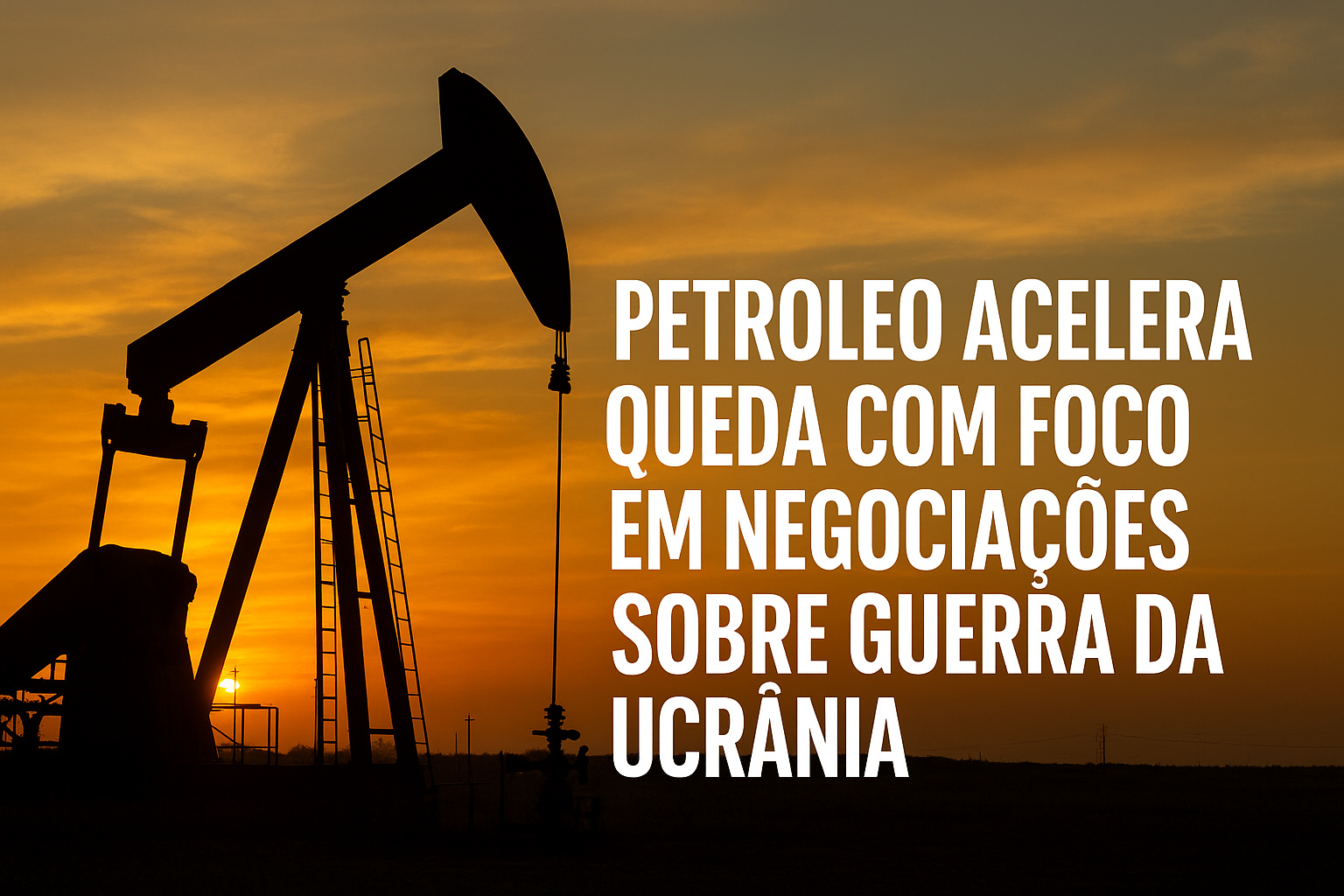
Oil Markets Recorded New Losses As Geopolitical Risks Diminish With Advances in Negotiations Between Russia and Ukraine.
According to Infomoney, the price of WTI has further declined, reflecting the statement by Marco Rubio, U.S. Secretary of State, that the White House peace plan may be finalized by Thursday.
This movement suggests that investors are pricing in a potential peace that would reduce the risks of sanctions or supply disruptions. Consequently, the outlook for more global supply, especially of Russian oil, is putting downward pressure on commodity prices.
A Historical Overview of the Connections Between Oil and Conflict
Historically, oil and wars have been intensely intertwined. Since the mid-20th century, conflicts in producing regions have directly affected prices and supply. Oil has always been viewed as a strategic resource, both for exporting and importing countries.
-
Ocyan opens registrations for startups focused on innovation in the oil and gas sector and will select projects for Innovation Day with the support of Nexio.

-
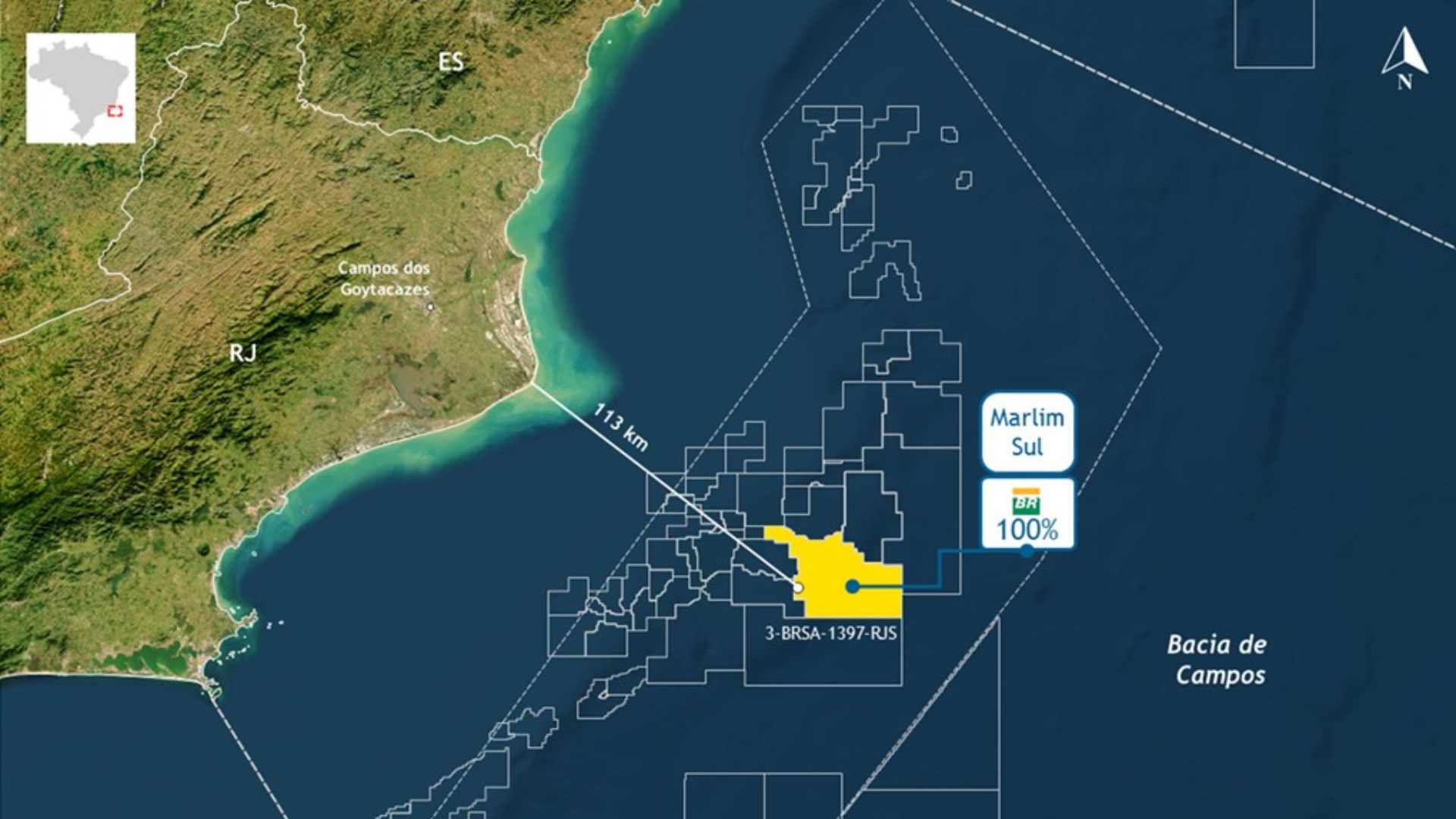
Petrobras announces new oil discovery in the pre-salt of the Campos Basin and reinforces Brazil’s prominence with high-quality reserves that can increase production and energy revenues.
-
Alert in the fuel market: Analysts and a former director of ANP warn that oil prices may worsen in the coming months due to global instability.

-
Ocyan brings executives and digital solutions to Macaé Energy 2026 and highlights offshore expansion with Nexio and a new base in Macaé.

In the case of the war between Russia and Ukraine, this sensitivity has intensified. Russia is among the top global oil exporters, so any sign of reduced tension alters future supply projections. Moreover, the world has seen on other occasions that diplomatic agreements can ease pressure on energy markets.
Additionally, institutions like the Getulio Vargas Foundation (FGV) have indicated that ceasefire negotiations tend to provoke fluctuations in prices due to supply unpredictability.
Therefore, when there is an expectation of a truce, as there is now, the market tends to react cautiously—and often with declines.
What Rubio Says About the Peace Agreement
According to Infomoney, Marco Rubio stated this Sunday (23) that the U.S. government seeks to conclude the peace agreement between Russia and Ukraine by next Thursday, 27, according to a report by Estadão Conteúdo. He described the day as “the most productive” in diplomatic talks, mentioning that there is confidence to finalize the plan.
For Rubio, there are no insurmountable obstacles, and he expressed optimism about the willingness of the parties to finalize a treaty that could end the war. If confirmed, this expectation sparks hopes in the oil markets, as peace could ease restrictions on Russian production and reduce global risk premium.
Oil Market Reaction to Potential Peace
The market reacted quickly. According to another report from Infomoney, oil prices steadily retreated in the following days, as the hope for peace reduced the perception of future scarcity. Specifically, WTI futures contracts for January closed significantly lower, reflecting the expected new balance.
Moreover, the market begins to evaluate that a potential agreement would not only decrease risk aversion but could also increase oil supply if Russian sanctions are relaxed or revised. This scenario projects even greater downward pressure on prices, should the agreement materialize.
At the same time, analysts note that Ukraine’s response to the alleged ultimatum will be crucial. According to Deutsche Bank, this attitude could determine whether the markets adjust prices for a real peace scenario or merely declare premature optimism.
Global Supply and Russia’s Role
If the agreement is concluded, Russia may resume or expand its exports, which would alter the global supply dynamic. This movement would be particularly relevant because Moscow has been targeted by sanctions restricting its access to strategic markets. Easing these barriers could drastically increase the flow of Russian oil.
Historically, Russia is one of the world’s largest producers. Therefore, any sign of political normalization can quickly translate into increased production and shipment of barrels to the international market.
Thus, the prospect of peace not only reduces geopolitical risk but also paves the way for potential oversupply, which tends to put pressure on prices in the medium term.
Implications for Investors and Exporting Countries
For investors, this new phase represents a regime shift. The price drop may create opportunities for those betting on cheap oil, but it also poses risks for producers who relied on higher premiums during crisis moments. Volatility is expected to remain, especially as markets oscillate between diplomatic optimism and echoes of tension.
Exporting countries like Russia may face a dilemma: commit to a peace agreement that reduces risk but may demand concessions or allow for more competition. For nations dependent on oil revenue, this balance is delicate.
On the other hand, global consumers and importing economies could benefit from lower prices. A peace agreement could mean more abundant barrels and supply predictability—a relief for countries facing rising energy costs.
Persistent Risks and Uncertainties
Even with an optimistic outlook, the risks remain real. Rubio’s statement that the agreement may close by Thursday is ambitious, and there are many sensitive points to be negotiated, especially concerning NATO’s and the European Union’s roles, as he himself admitted.
Additionally, doubts still linger regarding the commitment of all parties involved to the agreement. Russia, for instance, may seek guarantees or economic commitments before fully supporting the plan. Ukraine may want more robust security guarantees to accept terms beneficial to Russia.
There is also the risk that a reduction in risk premium could lead to a temporary price flattening, followed by another increase if the agreement fails. This is because many negotiations are fragile, and oil markets have already experienced upheavals after false signs of peace.
The Role of Oil in the Future of International Relations
The current episode reinforces a point that is as old as the global economy itself: oil wields diplomatic power. In the coming years, the oil market will continue to reflect not only economic balances but also peace negotiations, geopolitical treaties, and strategic alliances.
If peace between Russia and Ukraine materializes, we may enter a new phase where oil, although still valuable, loses some of its status as a geopolitical weapon. This could alter how exporting countries manage their economies and diversify their income sources.
Furthermore, the global energy transition is gaining momentum. In a world with fewer sanctions risks and more stability, investors may redirect capital to renewable sources, gradually reducing dependency on oil.
Reflection on the New Oil Cycle
The recent decline in oil prices amid renewed hope for peace shows how financially and geopolitically sensitive markets can change tone rapidly. Oil, more than just a commodity, remains a tool of power and bargaining.
However, this new moment may herald a different era: one where diplomacy oversees less sanctions and more cooperation, and where oil supply adjusts to a new peace architecture. If this scenario is confirmed, it could have lasting impacts on prices, energy policy, and international relations.


Still, it is early to dismiss volatility—risks remain, and the markets know that. For now, prices reflect a clear bet: that oil, so linked to war, may now be benefiting from hope for peace.






Seja o primeiro a reagir!