





 Português
  Inglês
  Espanhol
  5 min de leitura
  0 comentários



The price of oil fell this Thursday, reflecting a return of risk aversion in financial markets. According to InfoMoney, the futures contract for WTI for January, traded on the New York Mercantile Exchange (Nymex), closed down 0.42% (US$ 0.25), quoted at US$ 59 per barrel.
This negative movement is associated with several global tensions that have made investors more cautious. As a result, demand for the commodity weakens, while macroeconomic uncertainty returns to the forefront.
Historical Overview: Why Is Oil So Sensitive to Risk
Historically, oil has always reacted sensitively to moments of risk aversion in financial markets. From geopolitical shocks to economic crises, the commodity has been at the epicenter of financial turmoil.
-
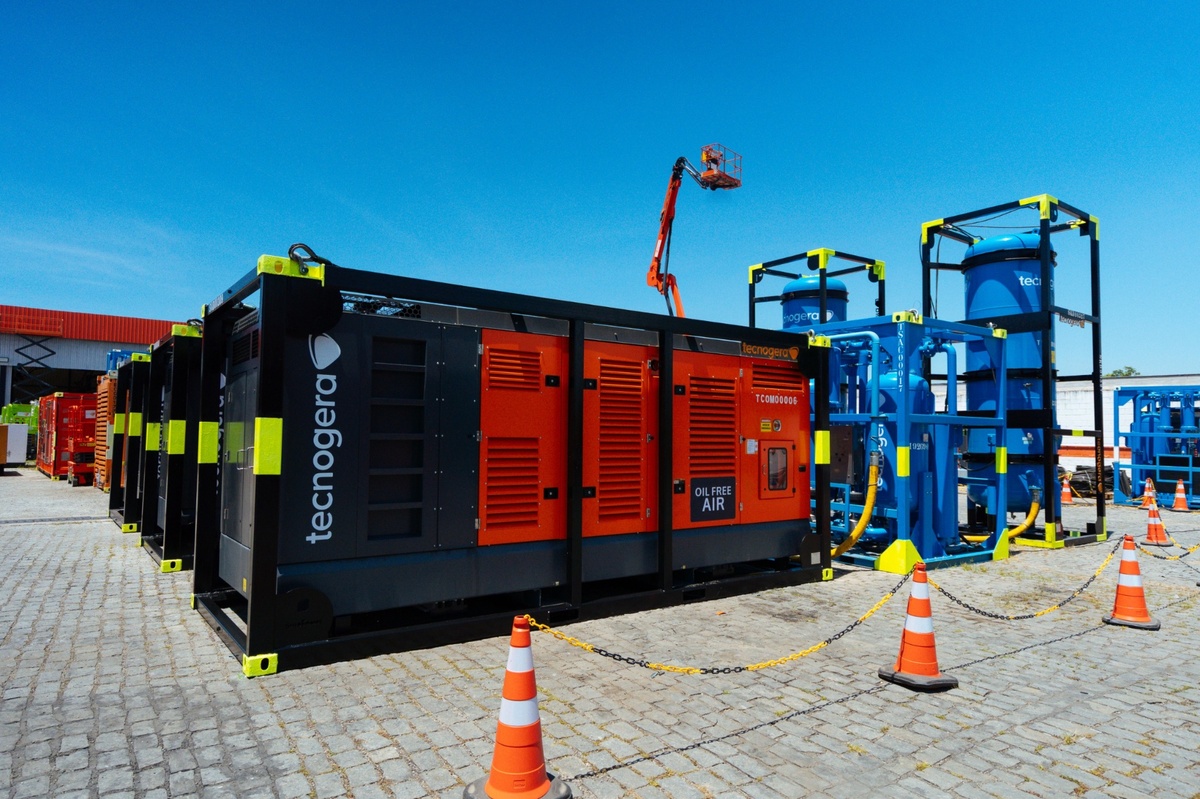
Offshore industrial demand in Macaé skyrockets with the recovery of oil and gas and could grow by up to 396% by 2026 in the Campos Basin.
-
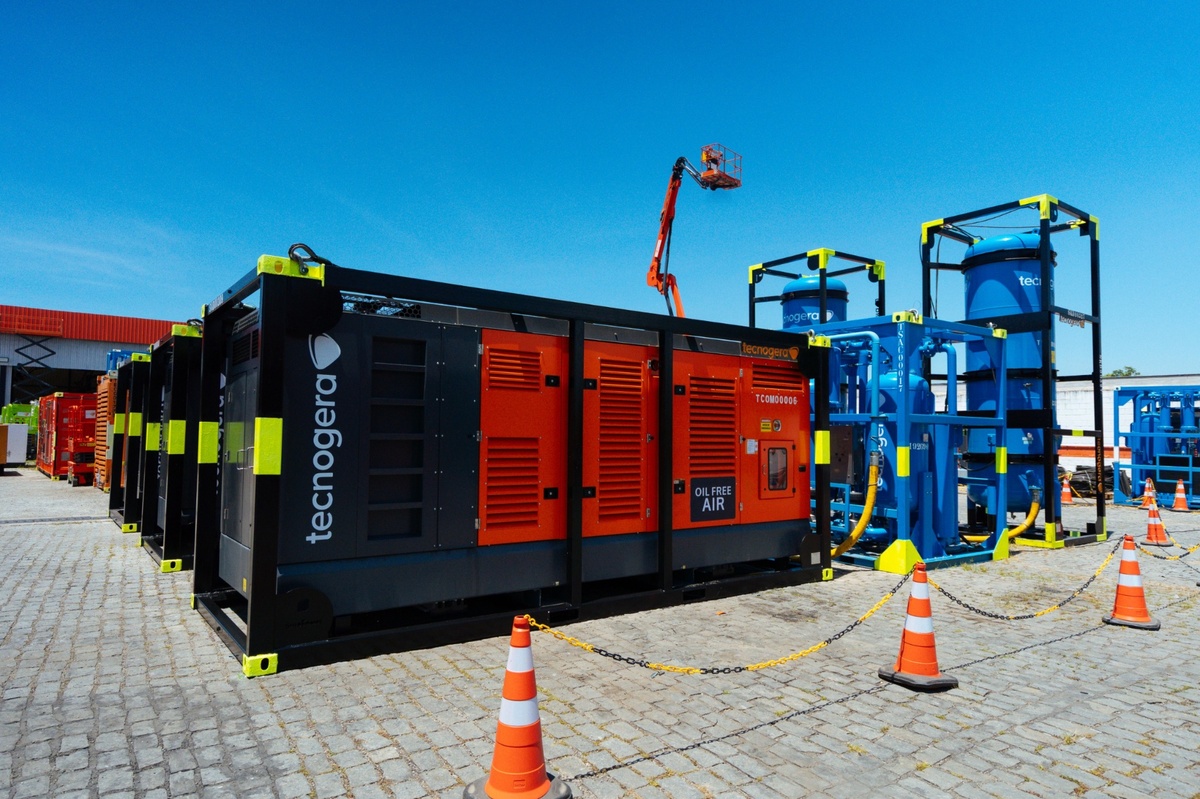
Offshore industrial demand in Macaé surges with the recovery of oil and gas and could grow by up to 396% by 2026 in the Campos Basin.
-
Brazilian giant expands borders in the Southeast: Petrobras confirms new oil discovery in ultra-deep waters in the pre-salt of the Campos Basin.

-
Alert in the global energy market: Severe tropical cyclone hits the coast and disrupts gas production at major plants in Australia, threatening global supply.


For example, in past decades, wars and political instability produced sudden increases in oil prices, as markets feared supply disruptions. Over time, markets have become more sophisticated, but the correlation between financial risk and the commodity has remained.
Moreover, the U.S. dollar — the currency in which oil is priced — exerts a decisive influence. When the dollar strengthens, oil becomes more expensive for buyers in other currencies, which can reduce global demand. Additionally, movements in the U.S., such as economic data or decisions from the Federal Reserve, have a direct impact on demand expectations. These structural factors continue to shape oil’s behavior today.
Factors That Led to Recent Declines
According to InfoMoney, the return of risk aversion in American markets came after enthusiasm for Nvidia’s earnings report diminished. Investors revised their bets, assessing that the tech euphoria could be exaggerated, which led to a pullback in growth stocks and more caution in the market overall.
Additionally, the September employment report in the U.S. brought mixed data: while job openings exceeded expectations, the unemployment rate rose, according to the site. This reinforced the view that the Federal Reserve may be more cautious regarding interest rate cuts, directly affecting risk appetite.
Another relevant element is the strength of the dollar. As highlighted in the same article, the DXY index approached six-month highs, making the commodity more expensive for buyers using other currencies. A stronger dollar tends to weigh on oil prices as it makes barrels less accessible globally.
Supply, Stocks, and Demand Outlook
Despite the decline, oil exhibited moments of increase during the day. According to InfoMoney, this occurred when signs of objection to a peace plan for the war in Ukraine emerged, which could pressure production, and also after data showed a larger-than-expected reduction in U.S. crude oil stocks.
However, this optimism was partially tempered as gasoline and distillate stocks rose for the first time in over a month, according to the cited reports. This increase suggests a slowdown in the consumption of petroleum derivatives and raises a warning about demand health in the short term.
Soojin Kim, an analyst at MUFG, noted that markets are now beginning to focus on how potential sanctions against Russia could alter trade flows. Additionally, analysts are assessing to what extent supply can continue to grow in relation to global demand, considering persistent geopolitical risks.
The Role of Oil in the Current Economic Scenario
Even with advancements in renewable sources, oil remains a strategic piece in the global economy. It fuels industries, transportation, and generates significant revenues for various countries. Therefore, its price fluctuation directly affects inflation, energy costs, and supply chains.
When markets get nervous, like now, oil tends to be punished not only by demand but also by fears related to interest rates, economic growth, and financial crises. This behavior illustrates how the commodity is strongly connected to broader macroeconomic factors.
Moreover, when analyzing the long term, we see that the energy transition — although impactful — does not immediately eliminate the relevance of oil. Even in a world with renewable energies, oil may continue to be used for decades, especially in hard-to-decarbonize sectors such as aviation and certain heavy industries.
Geopolitical Risks and Persistent Volatility
Geopolitical risks remain a potent source of uncertainty for oil. Even with signs of a slowdown in risk appetite, markets aren’t discarding new tensions that could influence supply or trade flows.
The possibility of sanctions against Russia, for example, could reshape how Russian oil circulates globally, impacting both supply and prices. This type of geopolitically oriented risk has proven persistent and can generate new waves of volatility.
Additionally, the evolution of events such as international conflicts, OPEC+ production decisions, or national energy policies can surprise markets. Therefore, many investors consider oil not only as a commodity but as a sophisticated geopolitical bet.
What This Means for Investors and Consumers
For investors, the recent oil decline indicates that the market is returning to a more cautious posture. Volatility is expected to remain high, and participants need to carefully monitor economic data, Fed reports, and geopolitical developments.
On the consumer side, although oil prices have fallen, this does not always translate into immediate drops in fuel prices. Refining costs, logistics, derivative stock levels, and distributor margins also influence the prices that reach the pumps.
Thus, oil’s fluctuation remains an essential factor in the global and local economy — and its effects reverberate beyond financial markets, directly impacting consumer prices, inflation, and energy policies.
Reflection on the Energy Landscape
The recent drop in oil prices reflects a combination of factors: global risk, a strong dollar, economic uncertainty, and stagnant demand. It shows that while commodity markets can rise quickly, corrections can also be abrupt, especially when investors revisit their expectations.
In the long term, oil remains a central theme for the global economy — not only as an energy source but as a geopolitical and financial asset. To navigate this scenario, governments, companies, and investors must consider not only supply and demand but also macroeconomic and geopolitical risks.
Thus, tracking oil is akin to tracking the pulse of the global economy, and understanding its movements means understanding a fundamental part of our energy and financial future.









-

Uma pessoa reagiu a isso.