





 Portuguese
  English
  Spanish
  3 min of reading
  0 comments


Oil Prices Hit New Highs Amid Increased Geopolitical Tensions and Optimism Surrounding Possible Trade Agreement Between US and China. Sanctions, Output Cuts, and Optimistic US Data Fueled Appreciation.
Oil prices rose again this Wednesday, marking the second consecutive gain in the international markets. Brent and WTI prices gained strength due to a combination of geopolitical risks, economic sanctions, and positive expectations regarding a new trade understanding between the United States and China.
At 7:11 AM (Brasília time), December Brent futures were up US$ 0.77 (1.26%), reaching US$ 62.09 a barrel, while the US WTI for the same month was advancing US$ 0.78 (1.36%), trading at US$ 58.02. This movement marks a reversal after the beginning of the week recorded the lowest oil price in five months.
From Pessimism to Recovery: The Turnaround in the Oil Market
The beginning of the week had been marked by strong downward pressure, caused by increased global production and trade uncertainties among the world’s largest economies. However, the intensification of political and military tensions reignited concerns about global oil supply, altering investor sentiment.
-
Brazilian giant expands borders in the Southeast: Petrobras confirms new oil discovery in ultra-deep waters in the pre-salt of the Campos Basin.

-
Alert in the global energy market: Severe tropical cyclone hits the coast and disrupts gas production at major plants in Australia, threatening global supply.

-
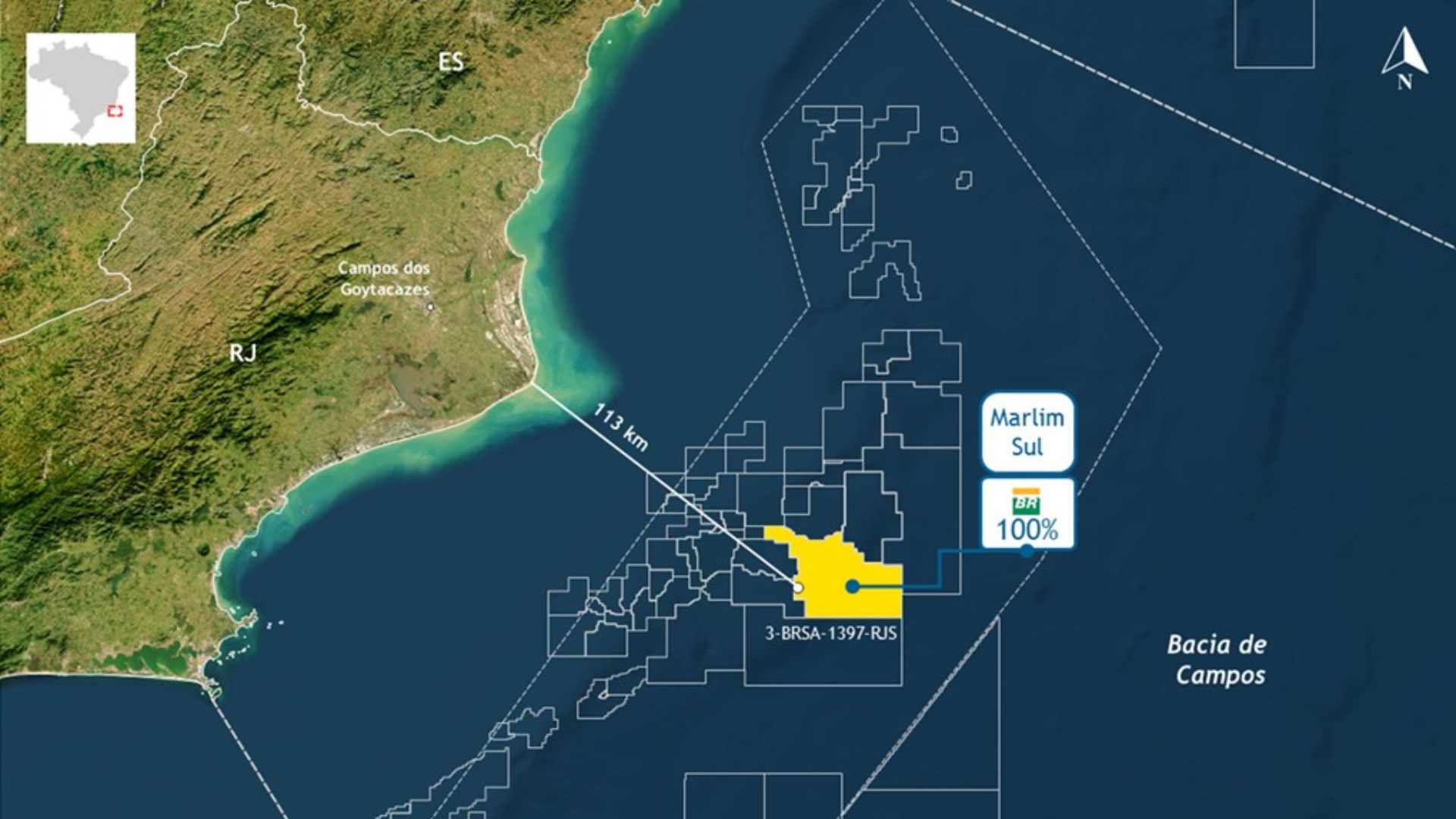
Petrobras finds high-quality oil in the pre-salt at 113 km from RJ and reignites expectations about strategic reserves in the Campos Basin.

-
Ocyan opens registrations for startups focused on innovation in the oil and gas sector and will select projects for Innovation Day with the support of Nexio.


The postponement of the summit between Donald Trump and Vladimir Putin, along with pressure from Western countries on Asian refineries to limit the import of Russian oil, rekindled fears of new supply disruptions.
According to Mukesh Sahdev, founder and CEO of energy consultancy XAnalysts, “despite the general bearish sentiment driven by an oversupply of oil and weak demand, the risk of supply disruption at critical points such as Russia, Venezuela, Colombia, and the Middle East remains and prevents oil prices from falling below the US$ 60 mark.”
Tensions and Sanctions Shape the Oil Market
The diplomatic crisis between the United States and Venezuela also gained attention. A group of independent experts from the UN classified the recent American attacks on Venezuelan vessels in international waters as “extrajudicial executions”.
The US government, under the command of Donald Trump, intensified actions against vessels suspected of drug trafficking, reinforcing the anti-“narcoterrorism” rhetoric.
These events add volatility to the market and reinforce the perception that the geopolitical scenario will continue to be a determining factor for the direction of oil in the coming weeks.
Meanwhile, optimism surrounding a possible agreement between Washington and Beijing helped sustain the recovery of the energy sector. Representatives from both countries are set to meet later this week in Malaysia to advance negotiations.
On Monday, Trump stated that he expected “a fair trade agreement” with Chinese President Xi Jinping, although he tempered expectations the following day, saying that “maybe it won’t happen”. Even so, the mere possibility of progress was enough to improve investor sentiment and boost oil prices.
Technical Movement and US Data Reinforce Oil Price Gains
In addition to political factors, the increase in oil prices also reflects a technical adjustment in the market.
According to Tony Sycamore, an analyst at IG Australia, part of the rise can be explained by short covering: “After the liquidation in cryptocurrencies, regional banks and now in gold and silver, I believe we are seeing position reductions across all markets, which, for crude oil, means covering short positions.”
Another relevant point came from US inventory data, which indicated a decline in levels of crude oil, gasoline, and distillates. The report was released by the American Petroleum Institute (API) and reinforced by the announcement from the US Department of Energy, which confirmed the purchase of one million barrels to replenish the Strategic Petroleum Reserve.
According to analysts from the Australia and New Zealand Banking Group (ANZ), this measure by the US government provided additional support to prices, showing that, despite uncertainties, global demand remains strong enough to sustain the appreciation of the commodity.
With recent fluctuations, the oil market remains focused on upcoming global political and economic decisions. Negotiations between the US and China, the behavior of sanctions against Russia, and the escalation of tensions in the Middle East remain key elements in determining the next price movements of the barrel.








Seja o primeiro a reagir!