





 Portuguese
  English
  Spanish
  3 min of reading
  0 comments


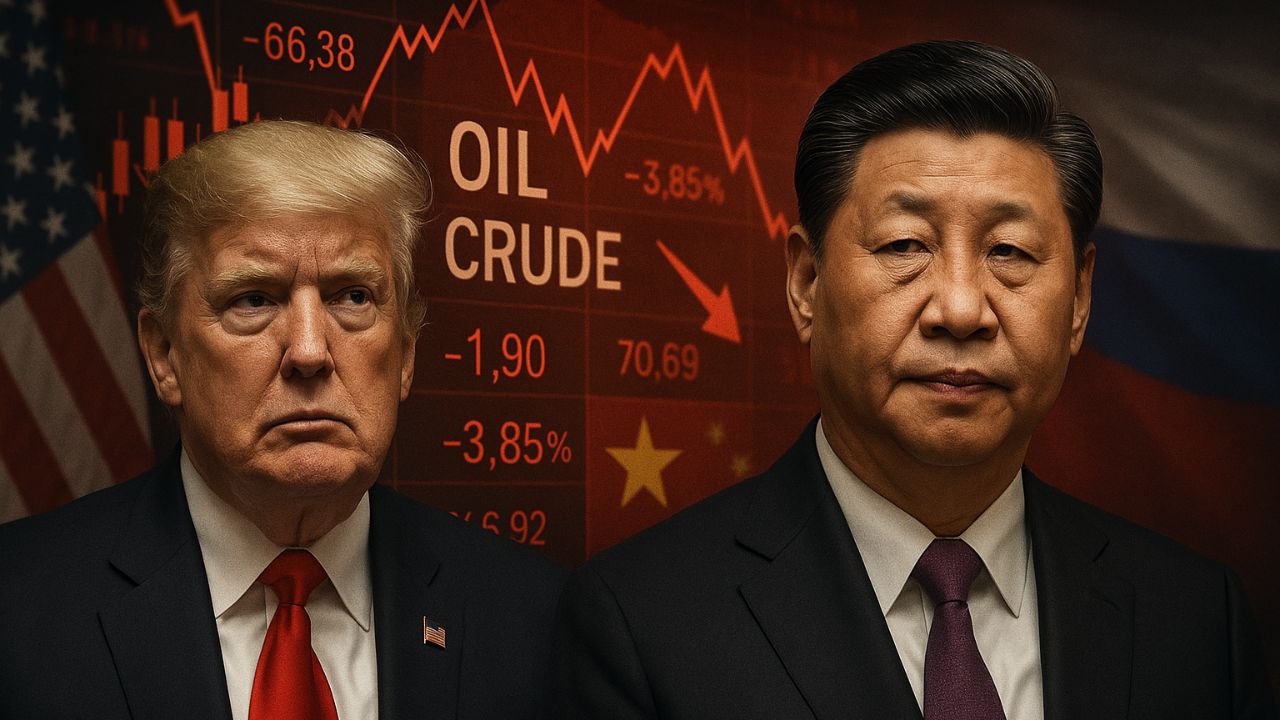
Oil Falls With Focus On Trump And Xi Jinping Meeting And Geopolitical Tensions Involving Russia And Ukraine.
Oil prices ended Monday’s trading session (10/27/2025) slightly down, reflecting investor caution ahead of two important decisions on the international stage: the announcement of the interest rate by the Federal Reserve (Fed), scheduled for Wednesday, and the anticipated meeting between Donald Trump and Xi Jinping, set for Thursday.
Tensions involving Russia and Ukraine have also increased volatility in energy markets, adding to global uncertainty.
Investors Watchful of the Fed and Global Politics
Futures contracts of WTI Oil, traded on the New York Stock Exchange (Nymex), fell by 0.31%, closing at US$ 65.31 per barrel. Meanwhile, Brent, the international benchmark quoted in London, dropped by 0.46%, ending the day at US$ 64.90.
-
Brazilian giant expands borders in the Southeast: Petrobras confirms new oil discovery in ultra-deep waters in the pre-salt of the Campos Basin.

-
Alert in the global energy market: Severe tropical cyclone hits the coast and disrupts gas production at major plants in Australia, threatening global supply.

-
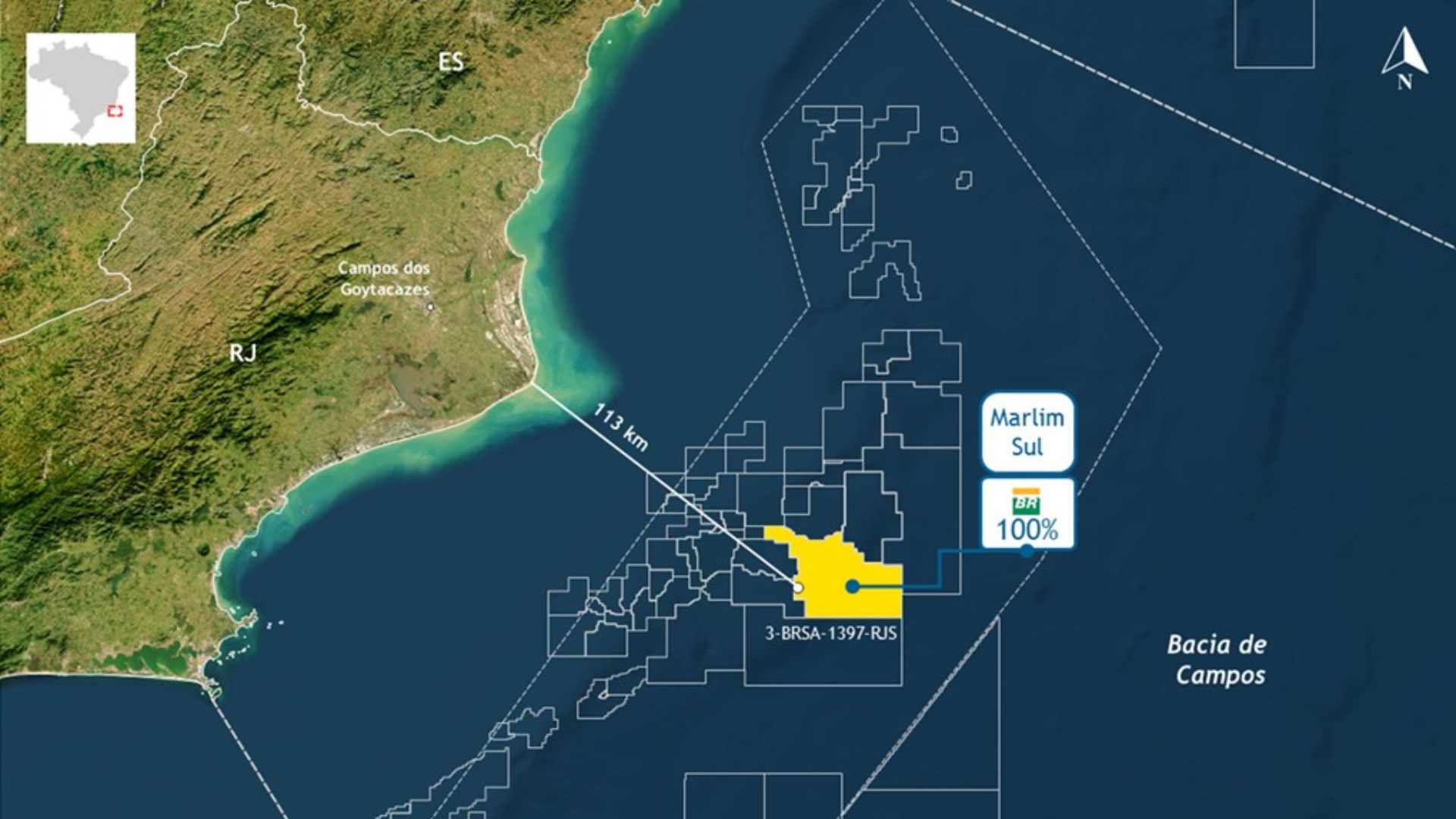
Petrobras finds high-quality oil in the pre-salt at 113 km from RJ and reignites expectations about strategic reserves in the Campos Basin.

-
Ocyan opens registrations for startups focused on innovation in the oil and gas sector and will select projects for Innovation Day with the support of Nexio.


The downward movement reflects the cautious behavior of investors, who are awaiting the Fed’s positioning on the pace of interest rates in the United States and the impact of monetary policy on global growth.
Analysts believe that the decision by the U.S. central bank could directly influence energy demand.
Higher rates tend to cool consumption and industrial activity, reducing the appetite for fuels. On the other hand, a more moderate stance could ease fears of economic slowdown.
The Meeting Between Trump and Xi Jinping Moves the Market
The expectation surrounding the meeting between Trump and Xi Jinping is another determining factor in the behavior of oil prices.
The two leaders are expected to discuss trade issues between the world’s largest economies, aiming to ease tariff disputes that affect global supply chains.
Trump stated on Monday that there is a “good chance” of reaching an agreement with Beijing, and even mentioned the possibility of visiting China early next year. “I have a lot of respect for President Xi.
I like him, and I think he likes me too. He respects our country,” declared the former U.S. president, emphasizing a diplomatic tone ahead of the meeting.
Russia and Ukraine Maintain Tension on the Radar
Meanwhile, geopolitical concerns continue to influence the energy market. Ukrainian President Volodymyr Zelensky stated that he intends to intensify long-range attacks on oil refineries in Russian territory.
The declaration heightened tensions with Moscow, especially after Trump warned President Vladimir Putin about nuclear missile tests conducted by Russia.
These episodes add uncertainty to the global oil supply, already pressured by Western sanctions and the risk of energy supply disruptions coming from Eastern Europe.
Commodity Analysis and Outlook
According to a report from Sparta Commodities, investors remain focused on the dynamics between United States, China, and Russia, paying attention to the possible impacts of sanctions on the international flow of oil.
“The month-long period may give market participants time to adjust,” the consultancy noted while commenting on the current scenario.
The brokerage XM Arabia also points out that the oil market remains under pressure, amid fears of oversupply and weakened demand.
According to the company, “investor sentiment depends on fiscal stability and global trade dynamics in the coming months.”
Overall Overview
With the international scenario filled with uncertainties—surrounding the Fed, the meeting between Trump and Xi Jinping, and tensions between Russia and Ukraine—the oil market remains volatile and dependent on political and economic decisions that could redefine the balance between supply and demand in the coming weeks.
The combination of geopolitics, monetary policy, and trade negotiations is expected to continue dictating the pace of barrel prices, reinforcing the sensitivity of the energy market to global diplomatic and economic developments.









Seja o primeiro a reagir!