





 English
  Francês
  Alemão
  Italiano
  Japonês
  Norueguês
  Portuguese
  Spanish
  3 min of reading


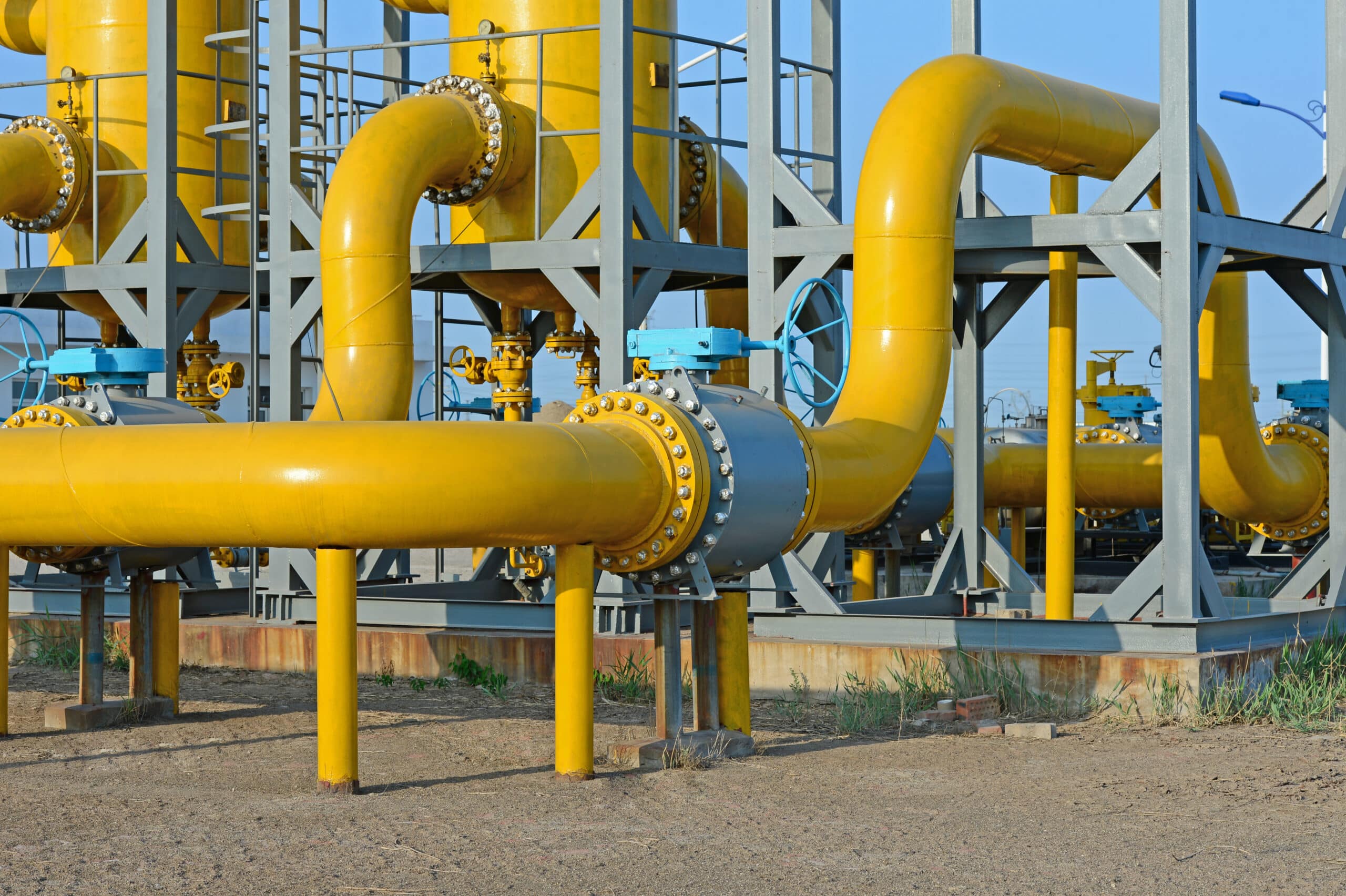
New Incentives for Pipeline and Oil Pipeline Construction in the Oil Sector Help States Thrive in This Area
The results of the Ukrainian war are apparently bringing new prospects for the oil sector of the United States, which is unveiling innovations in pipelines and oil pipelines.
The Brazilian Energy Information data has updated the information on currently validated and completed Gas Pipeline and Natural Gas Projects.
After this, a project begins to release the approval of the Keystone XL pipeline and also to gain political support for the Canadian company Enbridge not to have the controversial Line 5 embargoed, which will be rerouted through a tunnel 170 meters beneath a bed of Lake Michigan.
-
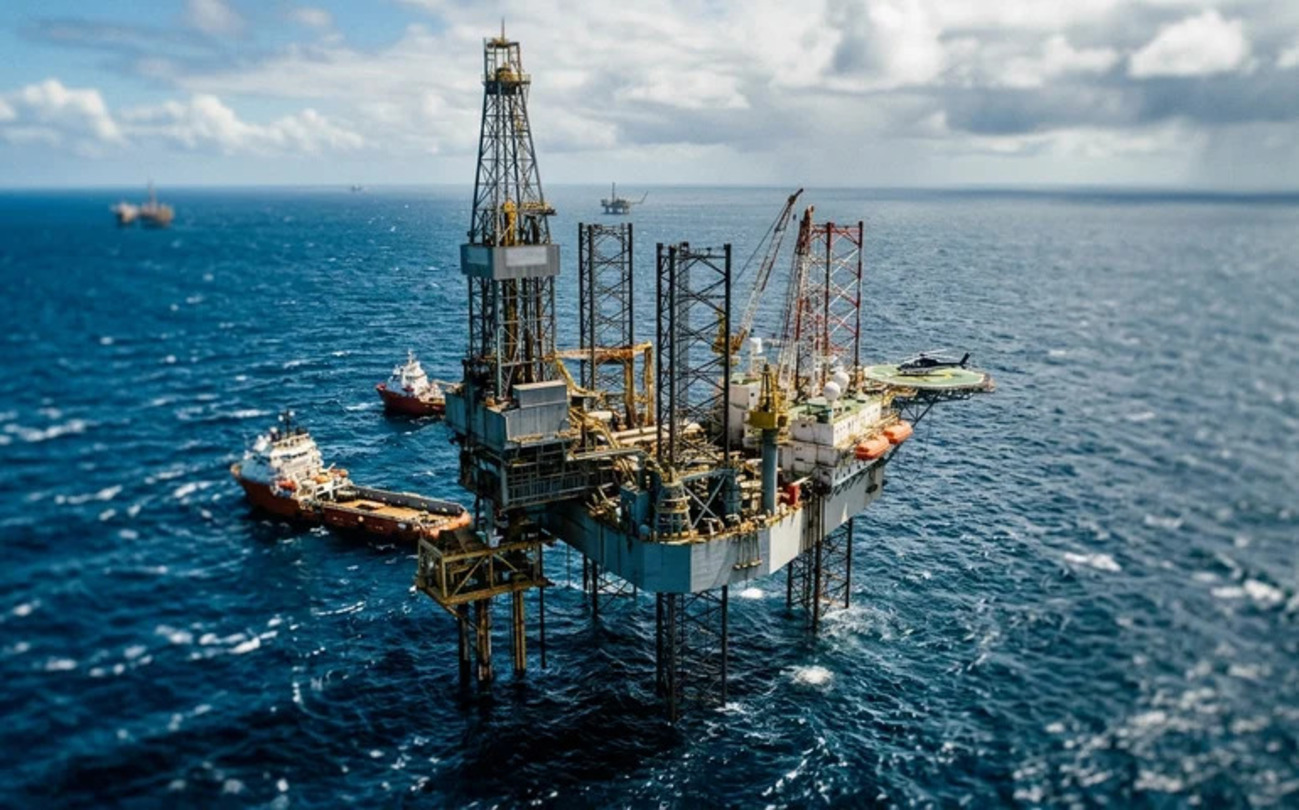
Brazilian giant expands borders in the Southeast: Petrobras confirms new oil discovery in ultra-deep waters in the pre-salt of the Campos Basin.
-
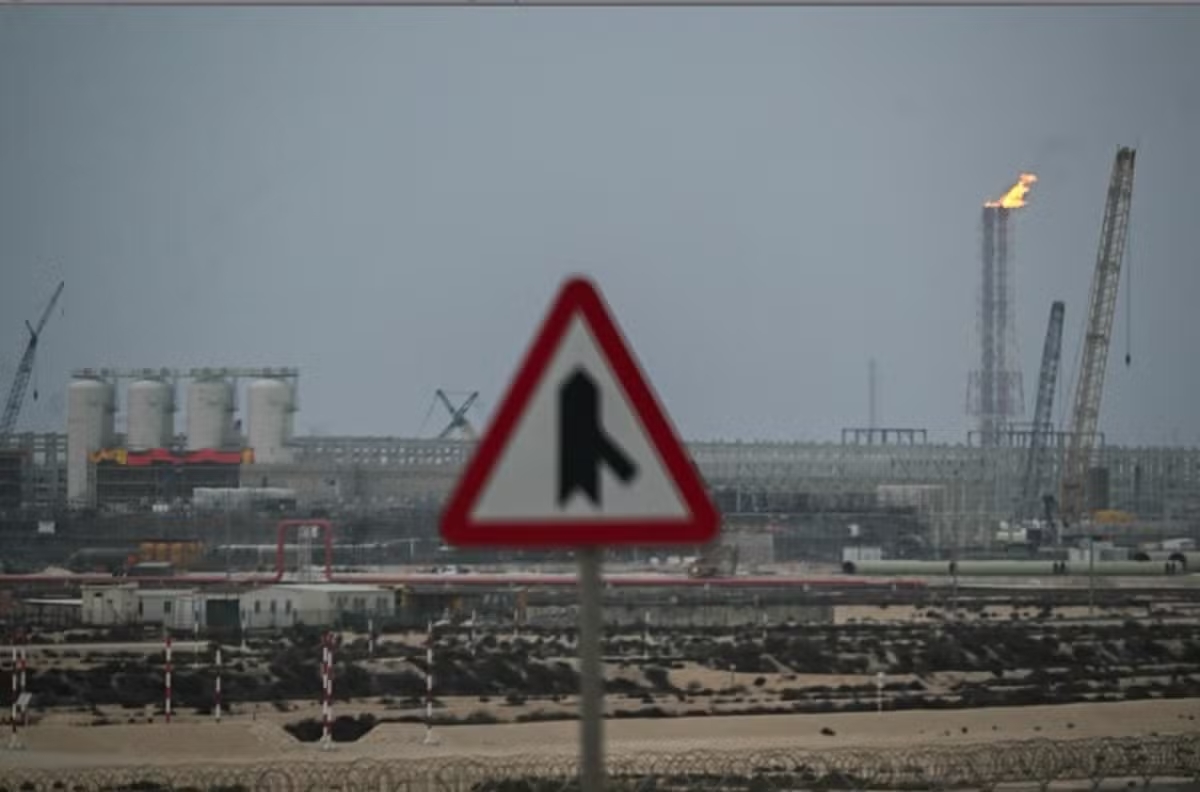
Alert in the global energy market: Severe tropical cyclone hits the coast and disrupts gas production at major plants in Australia, threatening global supply.
-
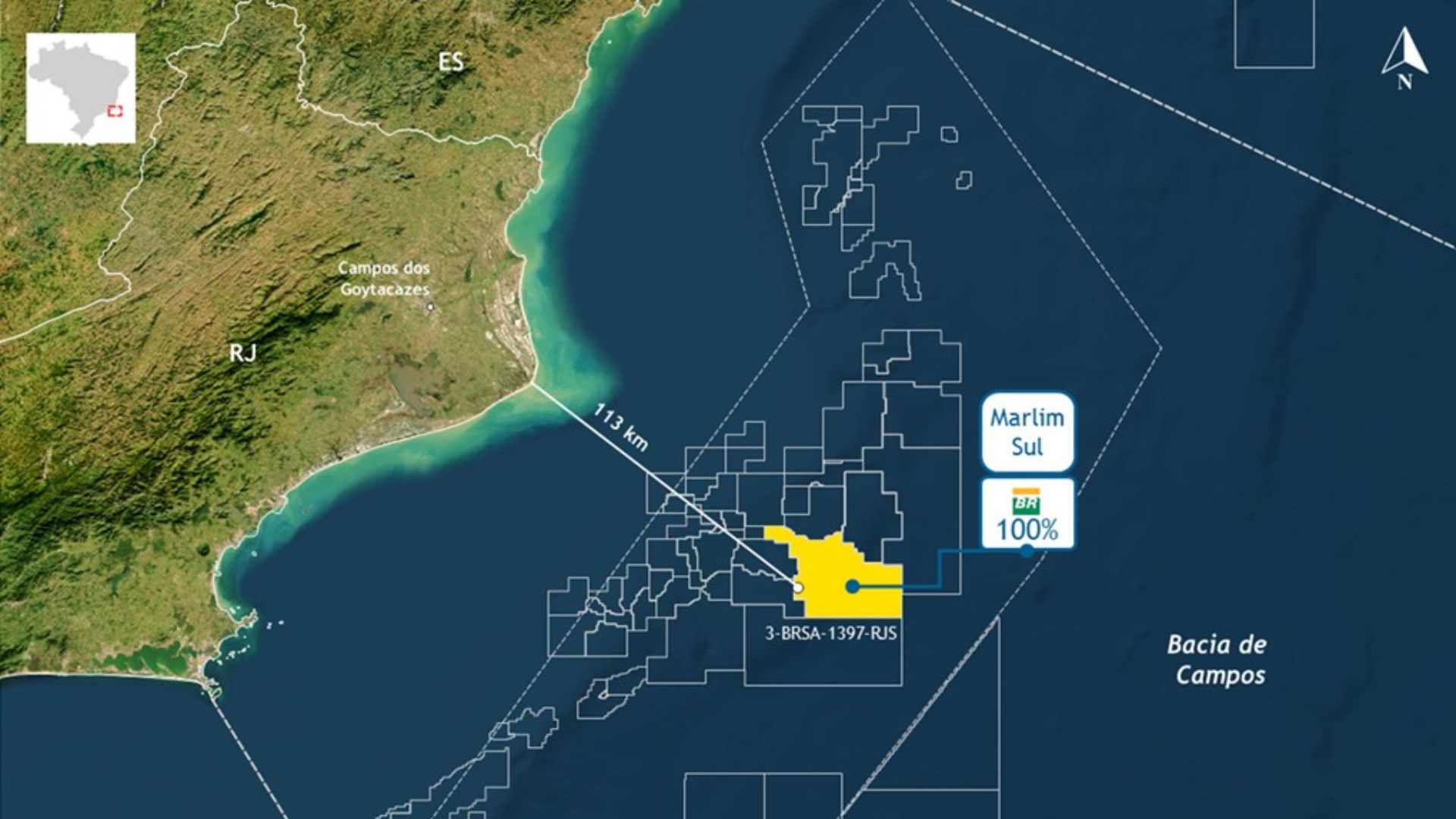
Petrobras finds high-quality oil in the pre-salt at 113 km from RJ and reignites expectations about strategic reserves in the Campos Basin.

-
Ocyan opens registrations for startups focused on innovation in the oil and gas sector and will select projects for Innovation Day with the support of Nexio.


Only in the first quarter of this year 2022, the FERC (Federal Energy Regulatory Commission) validated three projects aimed at increasing the natural gas exports from the U.S. via pipeline.
The FERC has also approved two projects connecting to LNG terminals in Louisiana. The Evangeline Pass Expansion Project, which aims to build new oil and gas pipelines in the oil sector, is a project of 1.1 billion cubic feet owned by Tennessee Gas Pipeline Company.
The planning includes approximately 25 kilometers of new pipeline and two new compression stations that will provide natural gas through pipelines for the proposed Plaquemines LNG project in Plaquemines Parish, Louisiana.
The Alberta Xpress plan is a project owned by TC Energy and will use the volume in the Great Lakes pipeline transmission system and the ANR pipeline and will include a new compression unit in Evangeline Parish, also in Louisiana.
The project increases the discharge capability at the Great Lakes point on the Minnesota-Manitoba border to delivery points in the U.S. Midwest and the U.S. Gulf Coast, evolving the empty capacity for natural gas export facilities in the region.
The project also enhances the domestic natural gas characteristics in these areas. The third project validated by the FERC increases the natural gas transportation volume via pipeline for the Energia Costa Azul natural gas export project in Baja California, Mexico.
The TC Energy Baja Xpress Norte Project modifies the facilities and compression stations that exist along its 86-mile Baja Norte pipeline.
Two other projects were validated in Florida and North Dakota in the last quarter. The Putnam expansion project in the Florida pipeline facilitates natural gas deliveries to a Seminole Cooperative Generation plant in Putnam County.
Moreover, there is the North Bakken Expansion Project, which will be an extension of approximately 100 kilometers of the interstate system of the Williston Basin. The project connects to the North Border Pipeline.
Expansion of the Global Pipeline System Challenges Paris Plans
A survey launched on February 1 of last year (2021) by GEM, Global Energy Monitor, showed that the increase of oil pipelines and gas pipelines in the oil sector continues the deceleration trend that has persisted for a decade, as in 2020, the volume of annual increases in oil and gas pipelines worldwide fell by 13%, harming the oil sector.
However, an investment of approximately US $1.3 trillion will be directed towards an expansion of about 212,000 km of oil pipelines and gas pipelines, undermining the proposals of major economic powers aiming for decarbonization by mid-century.
According to the survey conducted, if countries act to meet the goals of the Paris Agreement, these oil sector assets would be seriously threatened.
Leading the list is China, with around US $173 billion invested in pipelines (86%) and oil pipelines (14%). Next is the U.S., with approximately US $110 billion, nearly equally divided between oil and gas pipelines. Following is India, with about US $104 billion, primarily invested in gas pipelines. After these countries comes Brazil, which is sixth on the list, behind Russia at US $86 billion, where 100% is in gas pipelines, and Australia at US $43 billion, also 100% in gas pipelines, in the commodity sector.






Seja o primeiro a reagir!