





 Portuguese
  English
  Spanish
 4 min of reading
  0 comments


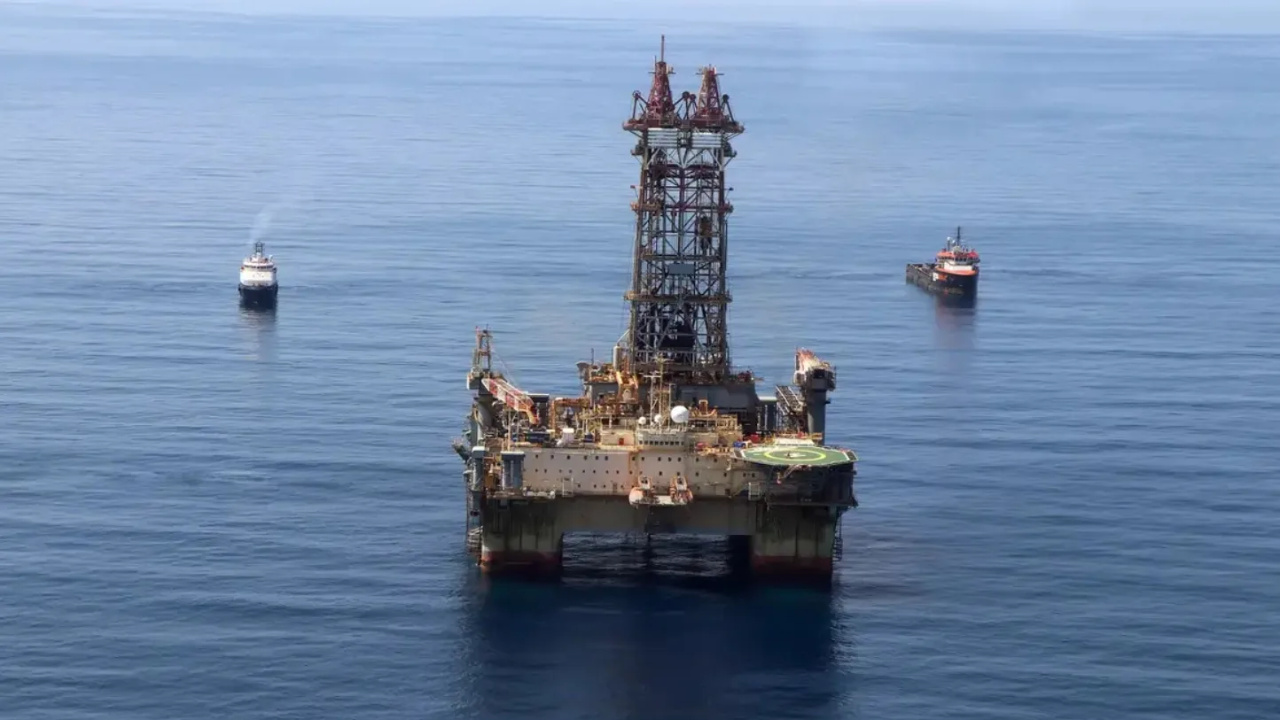
Audit After Fluid Leak Rekindles Debate Over Oil in the Mouth of the Amazon. Data Reveals Alarming History of Accidents and Pressure Mounts Against Petrobras.
Oil exploration on the Amazonian coast has returned to the center of a fierce controversy following a leak registered on a rig operated by Petrobras, in the basin of the Mouth of the Amazon.
The incident, which occurred in early January, led the National Agency of Petroleum, Natural Gas and Biofuels (ANP) to announce a detailed audit of the safety conditions of the unit, reigniting long-standing debates about the risks of activity in one of the country’s most environmentally sensitive regions.
The leak involved approximately 18 thousand liters of drilling fluid during the opening of exploratory well Morpho, in block 59, located about 175 kilometers off the coast of Amapá.
-
Brazilian giant expands borders in the Southeast: Petrobras confirms new oil discovery in ultra-deep waters in the pre-salt of the Campos Basin.
-
Alert in the global energy market: Severe tropical cyclone hits the coast and disrupts gas production at major plants in Australia, threatening global supply.
-
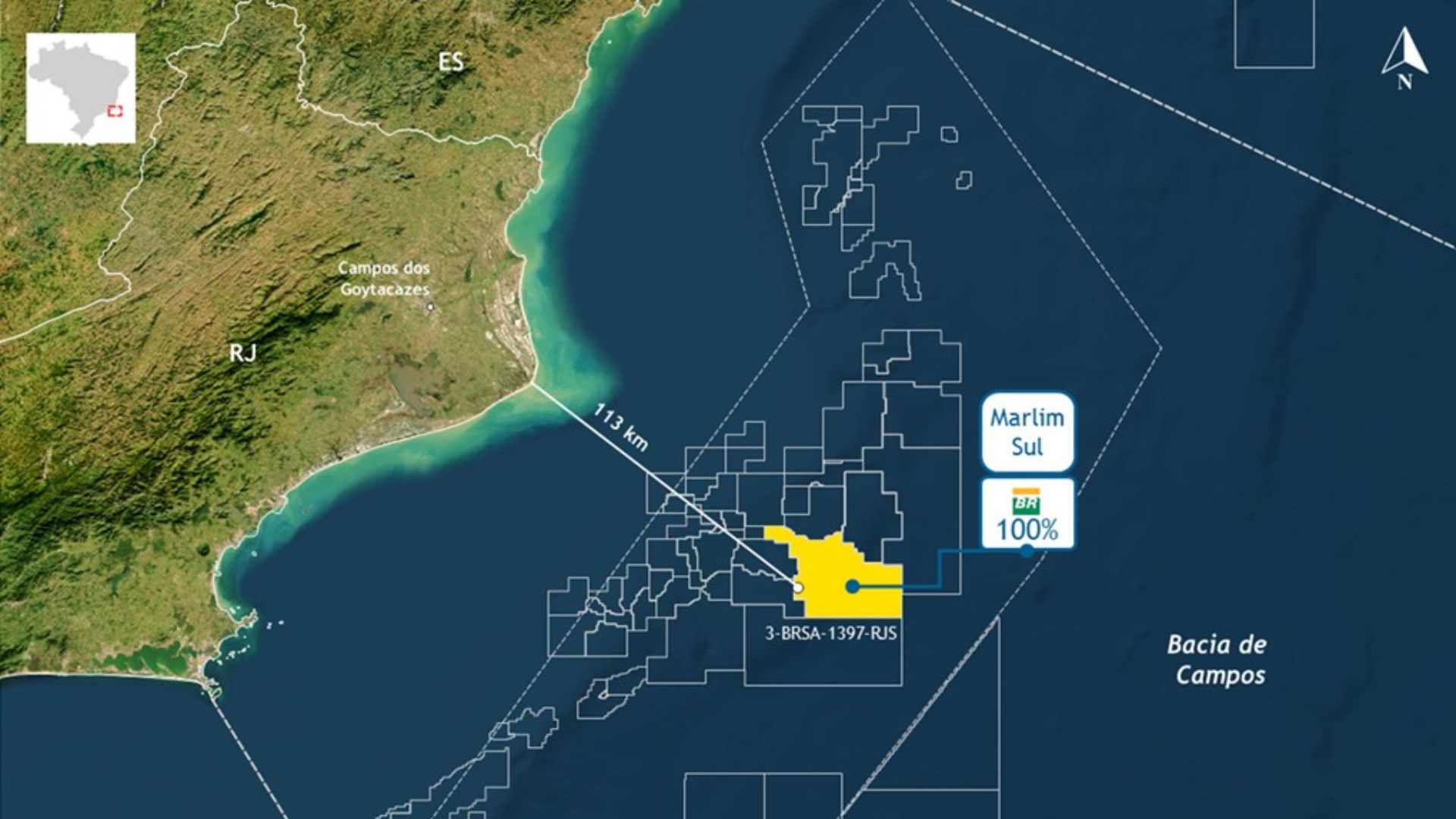
Petrobras finds high-quality oil in the pre-salt at 113 km from RJ and reignites expectations about strategic reserves in the Campos Basin.

-
Ocyan opens registrations for startups focused on innovation in the oil and gas sector and will select projects for Innovation Day with the support of Nexio.


Although there was no direct release of oil, the incident raised the alert level among environmentalists, experts, and local communities.
ANP Audit Comes into Play After New Incident
The ANP inspection is scheduled to take place from February 2 to 7 and will focus primarily on the operational safety systems of the rig.
According to the regulatory agency, drilling remains suspended and can only be resumed upon express authorization, following a complete analysis of the technical and operational conditions.


In a letter sent to Petrobras, the agency made it clear that the audit seeks to ensure the “protection of human life, the environment, and assets,” as well as allowing for the registration of any non-conformities and the application of additional administrative measures if failures are identified.
Petrobras will have up to 90 days from the detection of the leak to submit a detailed report explaining the causes of the incident and the corrective actions taken.
History of Accidents Raises Doubts About Oil Safety in the Region
Although the federal government has previously defended Petrobras’s technical capacity to operate in deep waters, historical data indicates that oil exploration on Brazil’s equatorial margin faces recurring challenges.
A survey based on information from the ANP itself shows that since 1970, one in four drilling attempts in the basins of the Mouth of the Amazon, Pará-Maranhão, and Barreirinhas was interrupted due to mechanical accidents. In total, of the 156 wells authorized during this period, 41 had their activities halted due to technical failures.
In the Mouth of the Amazon basin, where the recent leak occurred, the scenario is even more concerning: 28% of drillings recorded mechanical accidents, which corresponds to one interruption for every 3.5 wells.
In the Barreirinhas basin, the rate is 35%, while in the Pará-Maranhão it reaches 15%. For comparison, in the Campos and Santos basins in the Southeast, the percentages range from 5% to 7%.
In light of the new episode, organizations such as Greenpeace Brazil and the International Institute Arayara have intensified calls for the suspension of the environmental license for block 59 and the halt of new licensing for oil exploration in the region.

The entities warn about the complexity of the local ocean dynamics, marked by intense currents, large tidal variations, and great depth, factors that would hinder any rapid response in the event of more serious accidents.
“The episode confirms what the organization and various experts have been warning for years: oil exploration on the equatorial margin involves high, recurring, and structurally difficult risks to mitigate,” said Nicole Oliveira, Executive Director of the International Institute Arayara.
Petrobras Responds and Says Fluid is Biodegradable
In a statement, Petrobras reported that it adopted all necessary control measures and immediately notified the competent authorities. According to the state-owned company, the fluid used in drilling meets the permitted toxicity limits, is biodegradable, and the leak was fully contained.
The company emphasized that there was no release of oil, nor compromise to the safety of the well or the rig, stressing that the leaked material is known as “drilling mud,” used to cool the bit, remove rock fragments, and control the internal pressure of the well.
IBAMA requested a detailed report from Petrobras, including information on the composition of the fluid, its ecotoxicological characteristics, potential environmental impacts, and preventive measures.
The Federal Public Prosecutor’s Office in Amapá also requested clarifications, as part of a civil inquiry investigating the regularity of the environmental licensing of the activity in the Mouth of the Amazon.
In the last update sent to IBAMA, Petrobras stated that the causes of the leak are still under investigation.
“Today it’s a Fluid, Tomorrow It Could Be Oil,” Warns Greenpeace
For Greenpeace, the incident reinforces structural risks of the operation. “Today it’s a fluid, tomorrow it could be oil,” warned Mariana Andrade, Oceans Coordinator of the organization, highlighting the lack of updated studies on the hydrodynamics of the region.
According to her, the absence of this information makes it impossible to know where the leaked material has moved and what impacts it may have caused, especially for traditional communities that depend on fishing and marine resources for survival.
Do you believe that the warnings are real or just an exaggeration? Should oil exploration in the Mouth of the Amazon continue or be definitively suspended?








Seja o primeiro a reagir!