





 Portuguese
  English
  Spanish
  2 min of reading


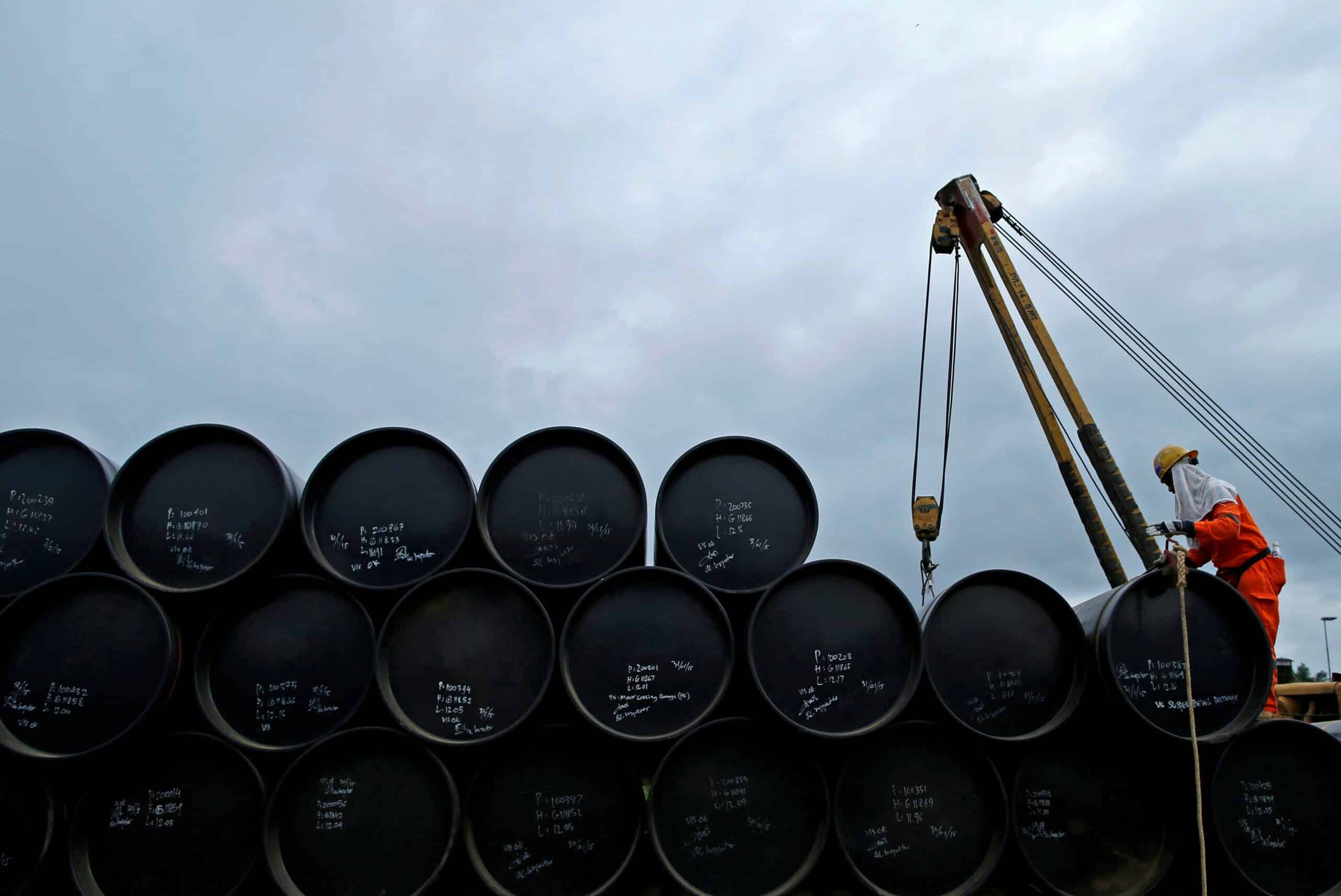
Oil Prices Are Likely to Be “Biased to the Upside” for the Remainder of the Year as Refinery Demand Rises in November and December, According to Citigroup Inc.
The average price of US$80 per barrel for this quarter is “realistic”, with spikes of US$ 90 or even US$ 100 possible if new disruptions worsen the supply crisis amid rising consumption, said Citi’s head of commodity research, Ed Morse. The benchmark Brent crude oil price surpassed US$ 85 earlier last month due to concerns that U.S. sanctions against Iran could create a shortage. Prices have since fallen.
The outlook comes as the Organization of the Petroleum Exporting Countries and its allies send mixed supply signals to the market, with Russia suggesting it could ramp up production to a record while an OPEC committee signals that the group might limit supply again in 2019. The center of uncertainty is Iran, where the U.S. imposed sanctions this week while granting exemptions to eight buyers of its crude oil.
Iran is expected to continue selling about 1 million barrels per day, Morse said in an interview with Bloomberg Television, adding that the exemptions do not allow for unlimited purchases. “How much oil is being granted by Iran to each of these eight countries? We can only assume until we receive a tweet from someone in the government.”
-
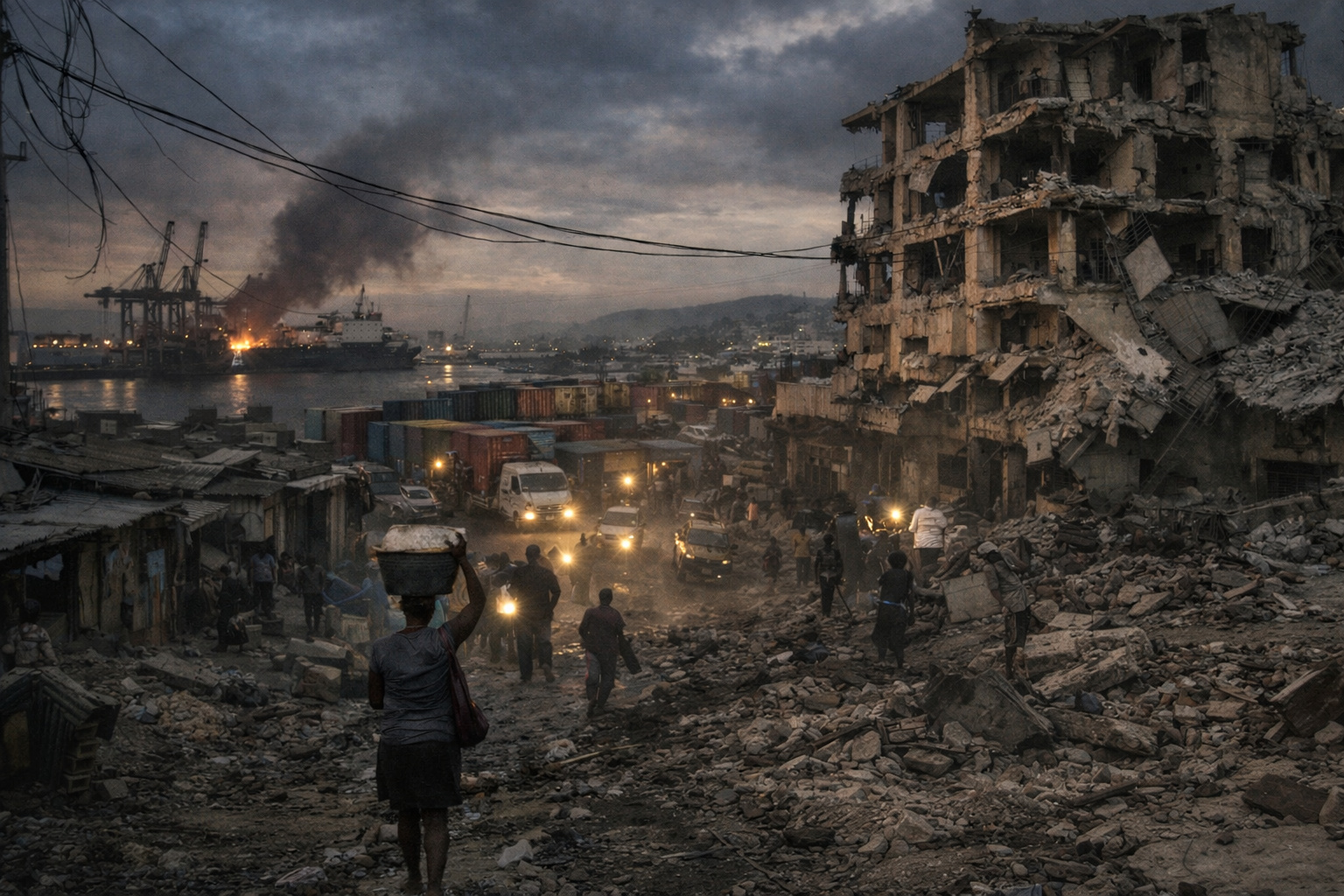
Haiti’s capital is experiencing an energy and construction crisis, facing blackouts, a blocked port, and buildings at risk after years of instability and a significant earthquake.
-
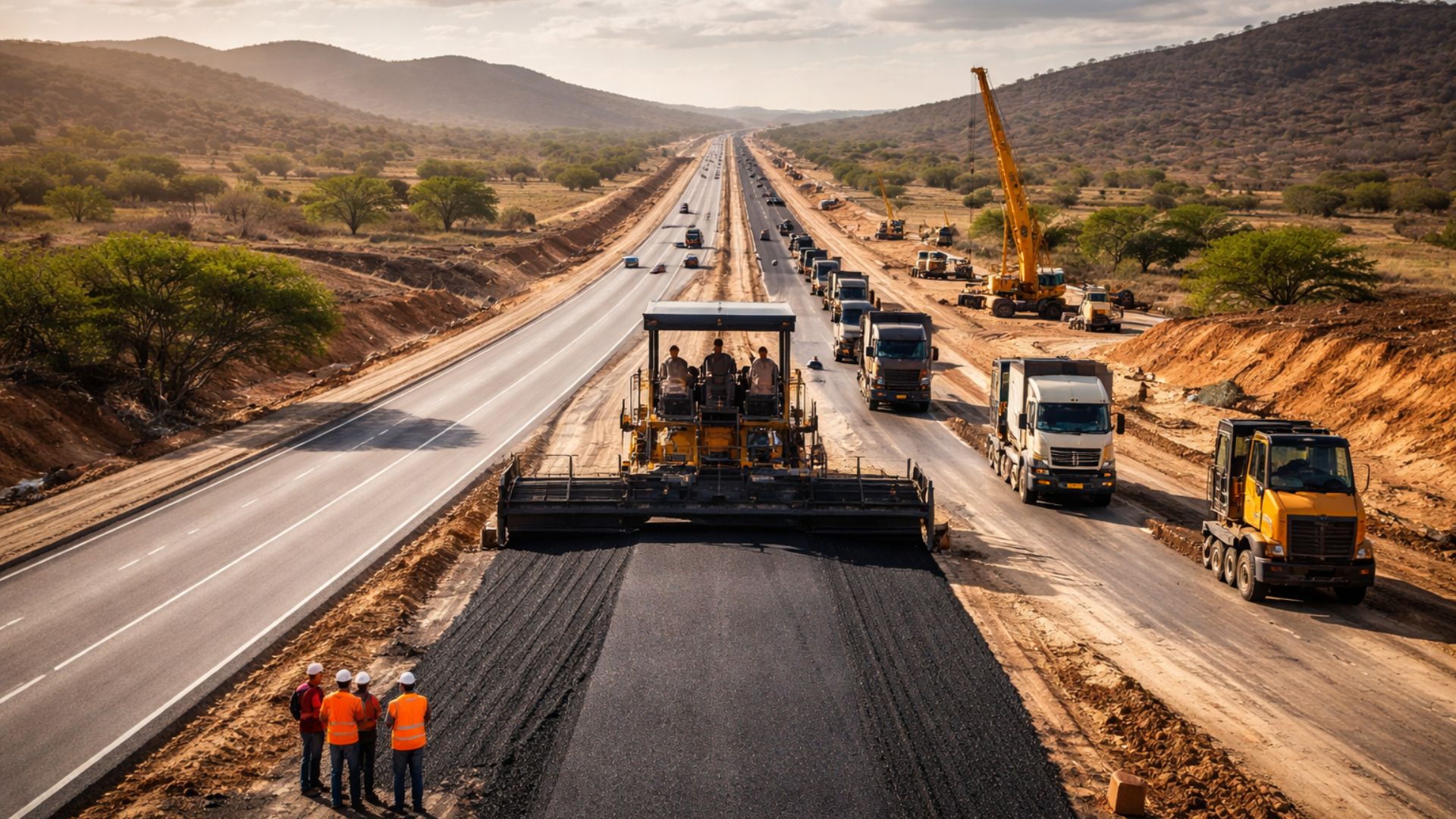
Government unlocks R$ 554 million for a highway that has been requested for decades and accelerates the duplication of BR.
-
Without bricks, without cement, and without endless construction: the cardboard house that is assembled in modules and can be moved.

-
Billions of barrels on the equatorial margin could lead Amapá to double its oil production in Brazil — the state aims to enter the route of companies in the Campos Basin, attract investments, and boost jobs and businesses in the oil and gas sector.


Supply disruptions are also expected elsewhere, including in OPEC nations like Nigeria, Libya, and Venezuela, according to Morse. In Nigeria, where elections are approaching, “there are always disruptions and they average about half a million barrels per day,” he said.
Next year, Citigroup sees the demand picture shifting as potentially slower economic growth weighs on energy consumption. “In the long run, there are many roadblocks to require,” Morse said. “I think the demand at play is perhaps 500,000 barrels per day lower next year than this year.”









Seja o primeiro a reagir!