





 Portuguese
  English
  Spanish
  4 min of reading



The international oil market has once again recorded an increase. This time, the movement occurred in an environment of caution and risk reassessment. On the morning of Friday, December 26, 2025, investors began to weigh possible supply restrictions from Venezuela. At the same time, they followed initial signs of a ceasefire between Russia and Ukraine.
Still, despite the diplomatic news, oil maintained a positive trajectory. At 07:37 AM (Brasilia Time), Brent crude oil futures rose 0.58%, reaching US$ 62.60 per barrel. Meanwhile, WTI for February was up 0.75%, trading at US$ 58.79 per barrel.
Therefore, even in the face of a potentially more favorable scenario in Europe, the market prioritized supply-related risks. This behavior, by the way, follows a well-known historical pattern.
-
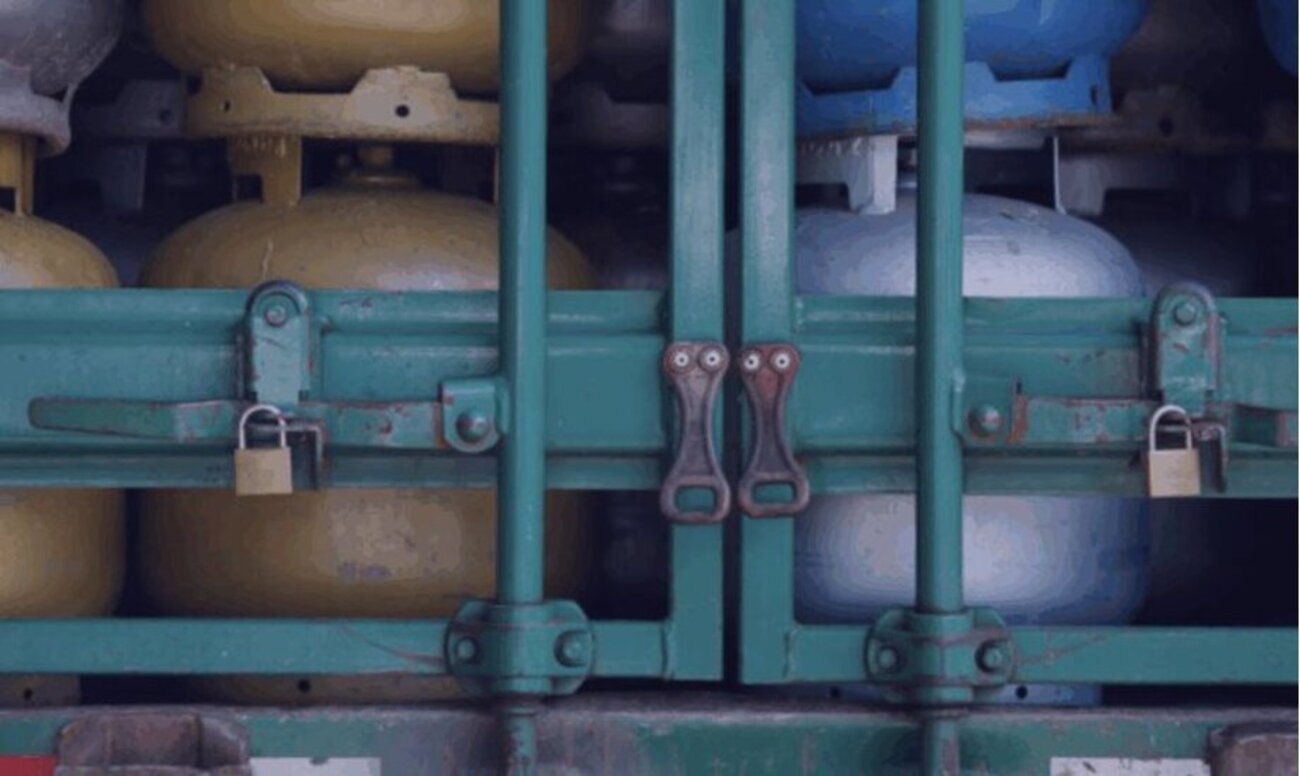
Petrobras evaluates suspension of sales to distributors and considers canceling the cooking gas auction following guidelines from the Federal Government.
-
Lula reveals a masterstroke by Petrobras to undo a deal made by Bolsonaro, which involves the return of an important refinery that currently produces less than half of what was expected and makes Brazil dependent on international diesel.
-
A study confirms that the natural gas sector will reduce greenhouse gas emissions in Brazil by 0.5% and accelerate the energy transition by 2026.

-
Petrobras implements a severe adjustment and confirms a 55% increase in the price of aviation kerosene with a proposal for installment payments for the companies.


Oil and the Strategic Relevance of Venezuela
To understand this movement, it is essential to observe Venezuela’s role in the global oil market. Historically, the country occupies a strategic position. According to data from the OPEC, Venezuela holds one of the largest proven reserves in the world.
However, over the past decade, Venezuelan production has experienced a significant decline. First, international sanctions limited exports. Additionally, lack of investment and infrastructure issues reduced production capacity. As a result, any new risk involving the country provokes an immediate reaction in prices.
According to Reuters, in reports published in December 2025, investors are closely monitoring possible logistical disruptions and new trade restrictions. Thus, even indirect signals end up raising the oil risk premium.
Oil and the Constant Weight of Geopolitics
Throughout history, oil has always responded quickly to geopolitical events. Since the oil shocks of the 1970s, armed conflicts, embargoes, and sanctions shape the dynamics of the global energy market.
In the current scenario, risks related to Venezuela counterbalance signs of détente in Eastern Europe. However, the market shows caution. According to analyses by Reuters, investors assess that a ceasefire between Russia and Ukraine still lacks practical confirmation.
Furthermore, even if the conflict eases, the impacts on oil do not disappear immediately. Sanctions remain. Trade flows continue to be altered. For this reason, the market maintains a defensive stance.
Oil, Liquidity, and Investor Behavior
Another relevant factor involves liquidity. Traditionally, the end of the year reduces trading volume. In this environment, fluctuations tend to be more intense. With fewer active participants, any relevant news generates amplified impact.
According to traders cited by Reuters, the combination of reduced liquidity and geopolitical risks creates a scenario conducive to volatility. Thus, even moderate variations, like those recorded in this session, gain symbolic weight.
This behavior, by the way, is not surprising. Historically, oil exhibits more sensitive movements during year-end transitions, when funds adjust positions and reassess strategies.
Oil and the Delicate Balance Between Supply and Demand
Despite the tensions, the market is also closely observing the demand side. On one hand, developed economies show more moderate growth. On the other, emerging countries continue to sustain consumption.
According to the International Energy Agency, in reports published between 2024 and 2025, global oil demand remains resilient. Sectors such as transportation, petrochemical industry, and aviation continue to be highly dependent on the input.
Thus, any threat to supply gains immediate relevance. The balance between production and consumption remains fragile. Consequently, prices react quickly.
Brent and WTI as Global Barometers
The contracts for Brent and WTI oil continue to serve as the main market references. While Brent reflects the international dynamics, WTI mirrors North American behavior.
In the analyzed session, both rose consistently. This simultaneous movement reinforces the trend reading. According to data from the Intercontinental Exchange, investors adjusted positions in light of perceived risks.
At the same time, WTI, traded on the New York Mercantile Exchange, followed the trend. Thus, the market signaled widespread concern about supply.
Oil and the History of Economic Sanctions
Sanctions have always played a central role in forming oil prices. Over the past decades, countries like Iran, Russia, and Venezuela itself have faced restrictions that altered global flows.
According to OPEC, sanctions tend to reduce investments and compromise production capacity in the long term. Even when relaxations occur, recovery takes time. For this reason, the market prices structural risks, not just isolated events.
This history helps explain why oil reacts strongly to any instability involving major producers.
Oil Amid the Energy Transition
Although the energy transition is progressing, oil remains central. Even today, it sustains entire productive chains. According to the International Energy Agency, global consumption is expected to remain high in the coming decades, especially outside the more developed economies.
In this context, oil continues to serve as an economic and geopolitical thermometer. Its prices reflect expectations about growth, energy security, and international stability.
Thus, even with increasing investments in renewable sources, oil maintains a strategic role. This explains why events involving Venezuela continue to influence the market.
A Market That Reacts First to Risks
By observing the movement on the morning of December 26, 2025, it is clear that oil remains true to its historical behavior. Supply risks outweigh still uncertain diplomatic signals.
The rise in Brent and WTI demonstrates that investors prefer caution. Even in the face of possible advances in Eastern Europe, the market remains attentive to the situation in Venezuela and other hot spots of instability.
Thus, oil reaffirms its role as a sensitive and strategic asset. It reacts quickly to any threat to supply, remaining at the center of global attention and continuously reflecting the complexity of the international energy landscape.









-

Uma pessoa reagiu a isso.