





 Portuguese
  English
  Spanish
  2 min of reading
  0 comments


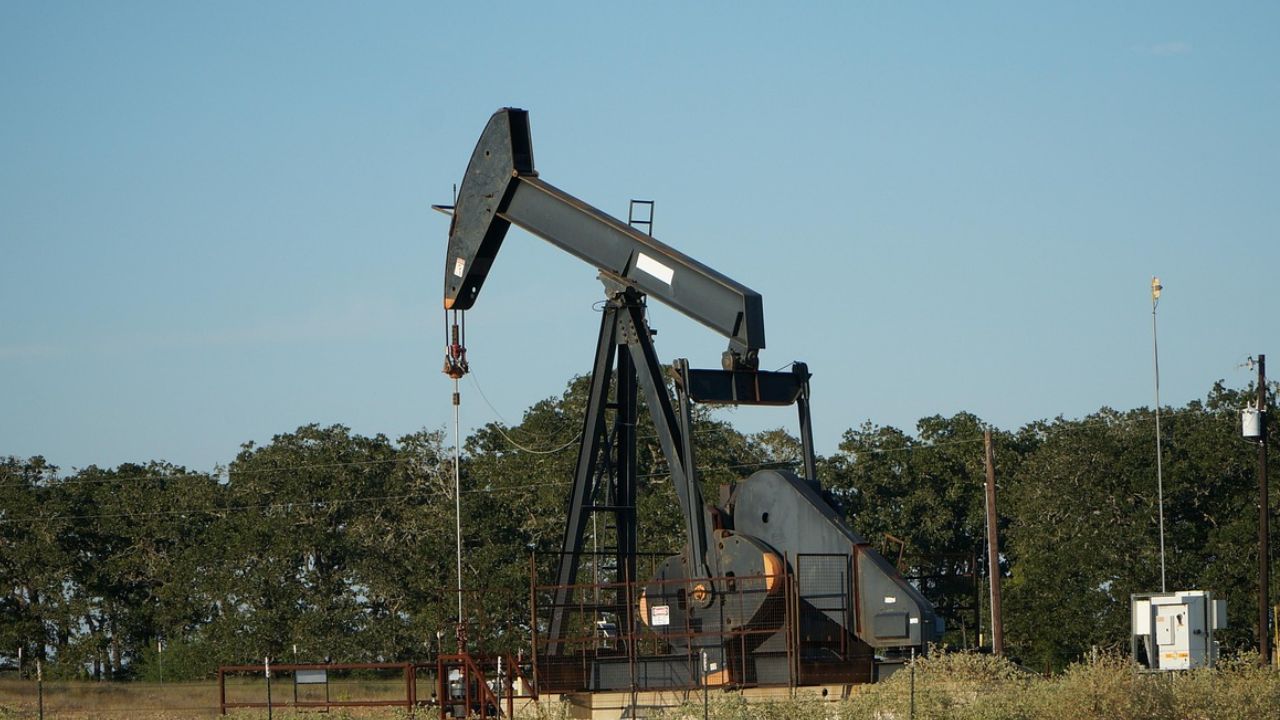
An Eventual Conflict Would Increase Global Risk Aversion, With Strong Impact on Oil Prices, the Dollar Rate, and Financial Markets.
A possible military attack by the United States on Iran would trigger an immediate and substantial reaction in the global economy. Investors would quickly seek safer assets, causing the dollar to rise and stock markets to fall. The price of oil would be the most affected, with the potential for a historic spike.
The Immediate Reaction of the Oil Market to a Conflict
The most direct consequence of an attack on Iran would be a sharp increase in oil prices. Risk aversion would take over global markets. The mere threat of a conflict would be enough to drive commodity prices up.
Analysts point out that Brent oil could easily surpass 100 dollars per barrel. In a scenario of prolonged conflict, prices could reach 150 dollars, a historic record. This increase would be motivated by fears of disruption in global supply.
-
Petrobras evaluates suspension of sales to distributors and considers canceling the cooking gas auction following guidelines from the Federal Government.
-
Lula reveals a masterstroke by Petrobras to undo a deal made by Bolsonaro, which involves the return of an important refinery that currently produces less than half of what was expected and makes Brazil dependent on international diesel.
-
A study confirms that the natural gas sector will reduce greenhouse gas emissions in Brazil by 0.5% and accelerate the energy transition by 2026.

-
Petrobras implements a severe adjustment and confirms a 55% increase in the price of aviation kerosene with a proposal for installment payments for the companies.


The Strait of Hormuz
Iran has a strategic position in controlling the Strait of Hormuz. This is the most important maritime route in the world for the transportation of oil. About 20% of global commodity consumption passes through this region.
A military action by the U.S. could lead Iran to close the Strait. Such a blockage would represent a massive supply shock. The drastic reduction in oil flow would cause a severe and immediate impact on global prices, affecting the economies of various countries.
The Flight to Safety During Times of Tension
In scenarios of significant geopolitical instability, it is common to seek safer assets. The U.S. dollar is one of those safe havens. With a conflict, the trend would be a strong appreciation of the U.S. dollar against other currencies, including the Brazilian real.
In addition to the dollar, gold and U.S. Treasury bonds would also see increased demand. This “flight to quality” is a classic movement by investors wishing to protect their capital from the high volatility of risk markets, such as the stock market.
The Increase in Volatility and Its Consequences for Investors
The instability generated by an attack would be reflected in a strong increase in volatility across all markets. Global stock markets would experience significant declines. Emerging countries, such as Brazil, would be especially penalized.
The rise in oil costs and the strengthening of the dollar would generate global inflationary pressures. This could force central banks to raise interest rates, slowing economic activity. For investors, the scenario would require utmost caution, with aversion to higher-risk assets.









Seja o primeiro a reagir!