





 English
  Francês
  Alemão
  Italiano
  Japonês
  Norueguês
  Portuguese
  Spanish
  6 min of reading
  0 comments


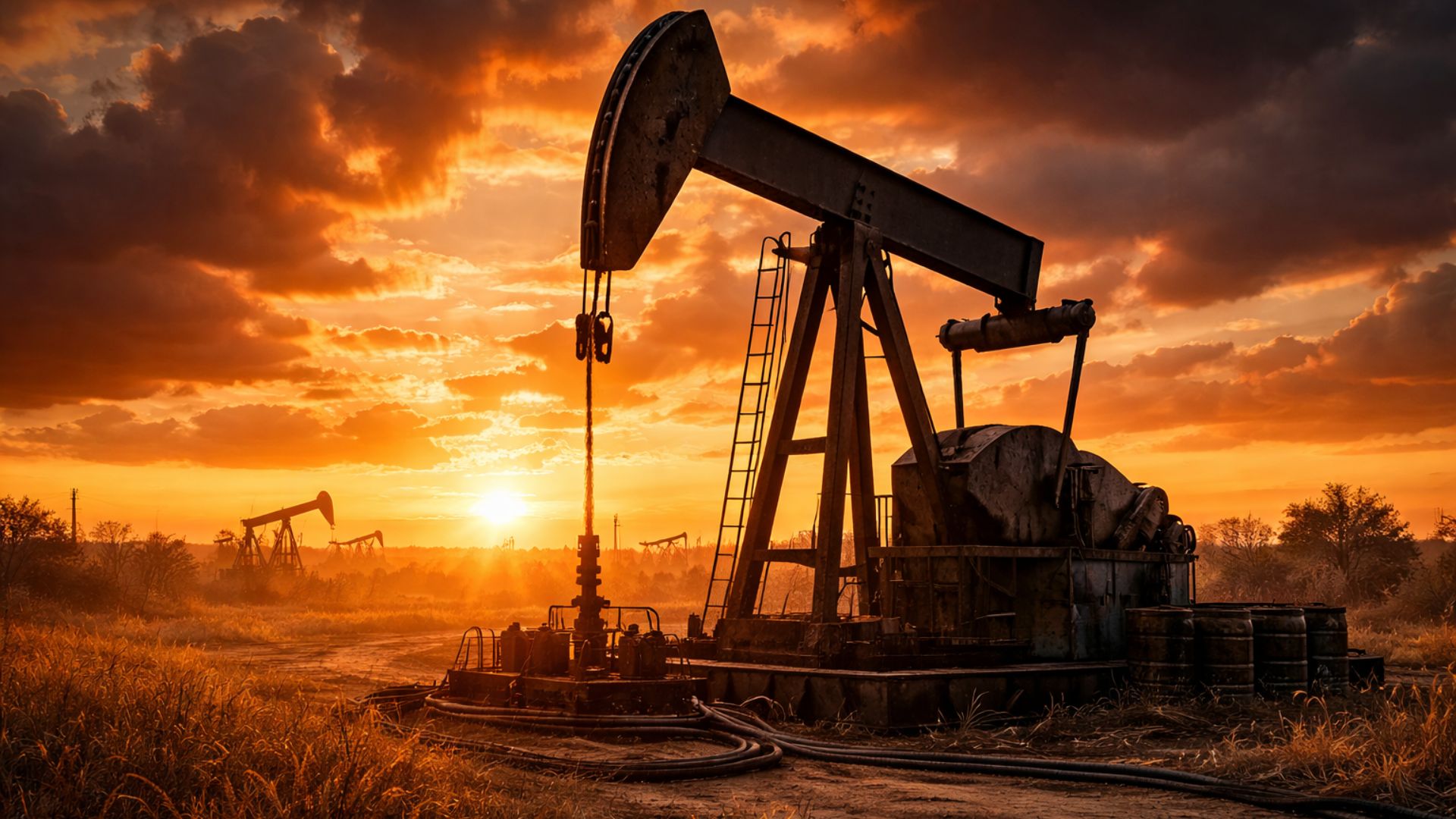
Oil Prices Surge After Escalation of War in the Middle East, Pressuring the Global Energy Market, Raising Alerts About Fuel Increases and Impacts on Transportation, Logistics, and Food Prices Worldwide.
The escalation of the war in the Middle East triggered an immediate reaction in international markets, leading the price of oil to register one of the largest recent increases. According to a report published by G1 on March 6, in just a few days, barrel prices surged nearly 30%, reaching levels not seen since 2023. This movement drew the attention of governments, investors, and energy sector experts, who closely monitor the impacts of this volatility on the global energy market.
Oil Prices Rise to 27.88% Amid Escalation of War in the Middle East
The latest data indicates that the North Sea Brent barrel closed the week priced at $92.69. This value represents an increase of over 8% compared to the previous day and a cumulative weekly increase of 27.88%. Meanwhile, American West Texas Intermediate (WTI) oil ended the session at $90.90, with a daily gain of over 12% and a weekly increase of 35.63%.
The rapid increase in prices occurred after geopolitical tensions in the Persian Gulf and the blockade of the Strait of Hormuz heightened the risk of interruptions in the region’s oil flow. This situation raised concerns about global supply and elevated the risk of rising fuel prices, a factor that could directly impact transportation and production costs in several countries.
-
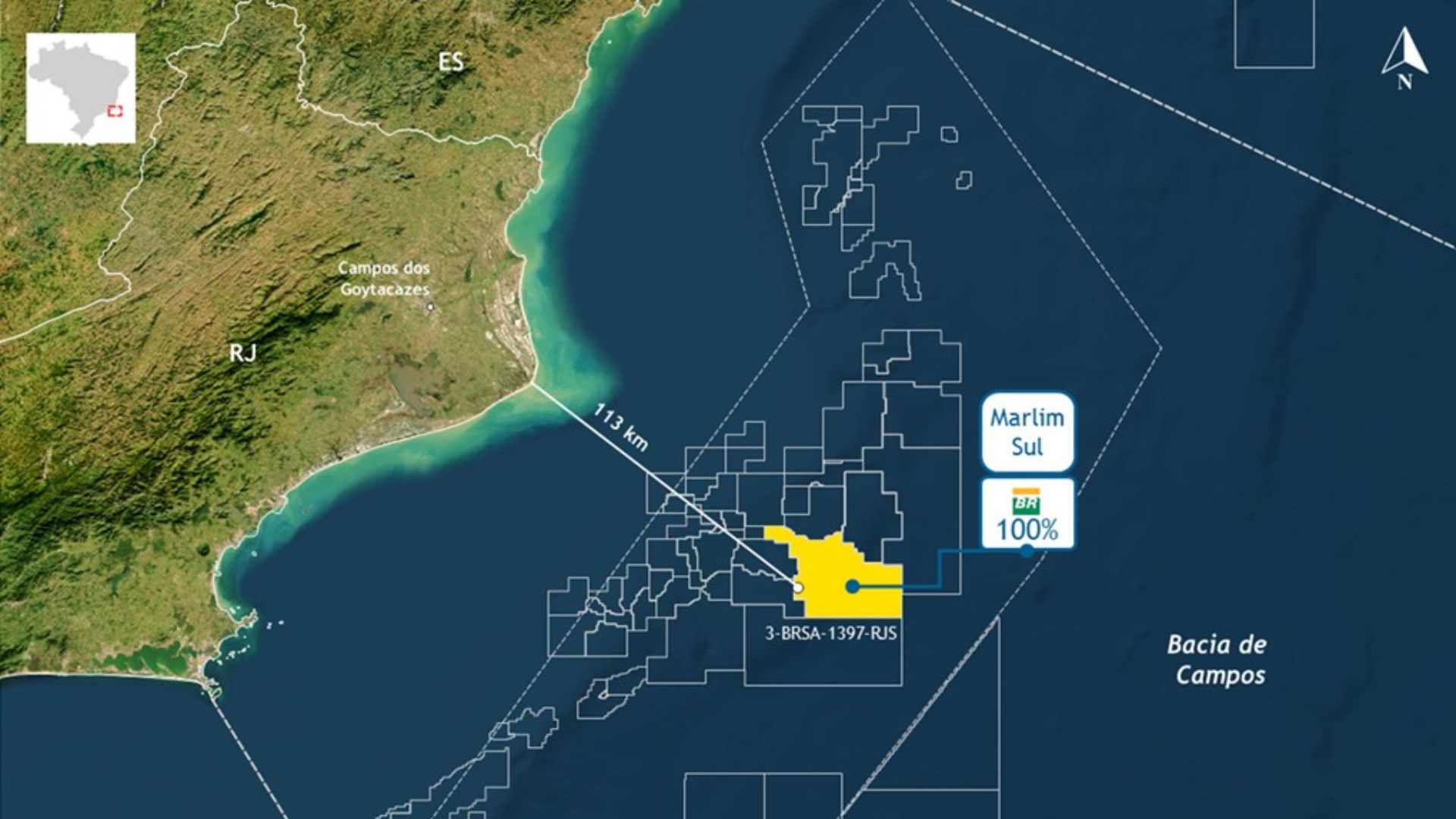
Petrobras announces new oil discovery in the pre-salt of the Campos Basin and reinforces Brazil’s prominence with high-quality reserves that can increase production and energy revenues.
-
Alert in the fuel market: Analysts and a former director of ANP warn that oil prices may worsen in the coming months due to global instability.

-
Ocyan brings executives and digital solutions to Macaé Energy 2026 and highlights offshore expansion with Nexio and a new base in Macaé.

-
Petrobras advances 4.6% with rising oil prices and the dollar, reigniting the debate on macro risks, pricing policy, and fiscal impact in Brazil.

Industry analysts highlight that the market’s reaction reflects not only geopolitical risks but also possible real disruptions in energy supply. In other words, the global energy market has begun to consider that the war in the Middle East could have concrete effects on global oil supply.
Blockade of the Strait of Hormuz Puts Oil at the Center of the Energy Crisis
One of the main factors explaining the rise in oil prices is the situation in the Strait of Hormuz, one of the most strategic maritime routes for the global energy market. Located between Iran and Oman, the strait connects the Persian Gulf to the rest of the world and serves as an essential corridor for oil exports.
It is estimated that about 20% of the world’s oil production transits through this passage every day. With the intensification of the war in the Middle East, part of this flow has been interrupted or reduced, generating concerns about the continuity of international supply.
According to energy sector analysts, each day the Strait of Hormuz remains closed or restricted increases tension in the global energy market. This is because the region is home to major producers and exporters responsible for supplying refineries and consumer markets across various continents.
The interruption of this route also affects the distribution of derivatives, including diesel, gasoline, and other fuels. These products are essential for transportation, agriculture, and industry, which explains the growing concern among economists and authorities.
Expectations indicate that even a temporary blockade could have lasting effects on international prices. This occurs because the global energy market reacts quickly to any sign of risk in oil supply.
Geopolitical Tensions Increase Volatility in the Global Energy Market
The recent rise in oil prices also reflects the increase in diplomatic and military tensions involving major producers in the region. Iran, for example, is one of the leading oil exporters in the Middle East and plays an important role in balancing the global energy market.
The increase in prices also occurred after statements from U.S. President Donald Trump, who demanded an “surrender” from Iran. This risky environment often generates volatility in financial and energy markets.
In just a few trading sessions, the price of oil has risen by more than $20 per barrel. Since the beginning of the year, the accumulated increase has already surpassed $30, according to international market data.
For Ole R. Hvalbye, an analyst at SEB, the current situation resembles other moments of intense energy instability but has concerning characteristics. In an interview with AFP, he stated that the scenario is beginning to take on “dramatic proportions.”
The expert also highlighted that the consequences could extend over a long period, including the risk of economic slowdown or even recession in some regions. This occurs because the increase in oil prices tends to pressure fuel prices, influencing various productive sectors.

Producing Countries Reduce Oil Exports and Attempt to Reorganize Supply
The crisis triggered by the war in the Middle East is already beginning to directly affect energy production and exports in the region. Some Gulf countries have been forced to reduce their operations due to logistical difficulties and security risks.
According to specialists at JPMorgan, Iraq has cut its oil supply by about 1.5 million barrels per day. This measure reflects the challenges faced to maintain the normal export flow amidst the tensions in the Gulf.
Kuwait is also facing limitations in its energy infrastructure. Analysts point out that the country is reaching its storage limits and has had to reduce part of its refining capacity designated for export. These changes have a direct impact on the global energy market, as the reduction in supply helps keep oil prices elevated.
Meanwhile, governments and companies are seeking alternatives to avoid a larger crisis in fuel supply. Adjustments in production, reorganization of stocks, and changes in transportation routes are among the measures adopted to minimize the impacts of the war in the Middle East.

International Reactions Seek to Protect Fuels and Logistics Chains
In light of the instability in the global energy market, some countries have started adopting emergency measures to ensure fuel supply and prevent shortages.
China, for example, asked its main refineries to temporarily suspend diesel and gasoline exports. This measure aims to preserve internal stocks and reduce the risks of shortages amid the oil crisis.
The United States has authorized, for one month, the supply of Russian oil to India, even under international sanctions. The decision was made to ensure the energy supply of the Asian country while the war in the Middle East affects the normal flow of exports.
Another initiative involves protecting merchant ships carrying oil through the region. U.S. authorities indicated that the Navy may escort vessels attempting to cross the Strait of Hormuz.
Even with these measures, experts believe that maritime flow will hardly return quickly to levels seen before the war in the Middle East. This means the global energy market may continue facing pressures in the coming weeks.
Oil Prices May Rise, Pressure Fuels, and Impact Inflation
The appreciation of oil tends to generate chain effects across various sectors of the global economy. One of the most immediate impacts occurs in the price of fuels, which directly depend on international barrel prices.
When fuels become more expensive, transportation costs rise. This increase is often passed on to food, industrial products, and logistics services.
The war in the Middle East amplifies this risk because it involves a region responsible for a significant share of global energy production. If the conflict prolongs, the global energy market may remain pressured for an extended period.
Experts warn that this scenario could result in global energy inflation. This type of inflation occurs when the increase in energy costs affects various segments of the economy simultaneously.
Countries that import oil are likely to feel this impact more intensely, especially those that heavily rely on fuels for transportation and industrial production.
Global Stocks May Alleviate Pressure in the Short Term
Despite the tension in the global energy market, some factors could help reduce the immediate impacts of the crisis. One of them is the existence of strategic oil stocks maintained by various countries.
According to energy sector analysts, these stocks could cover up to a month of interruptions in the flow through the Strait of Hormuz. This reserve acts as a kind of insurance against supply shocks.
Jason Gabelman, an analyst at TD Cowen, stated that the market’s reaction has been relatively moderate so far precisely because of these healthy stocks.
Still, experts highlight that this solution is only temporary. If the war in the Middle East continues to affect routes and production, the global energy market may face greater difficulties in balancing supply and demand. In this scenario, oil prices may remain elevated, pressuring fuels and amplifying the effects of the energy crisis on the global economy.








Seja o primeiro a reagir!