





 English
  Francês
  Alemão
  Italiano
  Japonês
  Norueguês
  Portuguese
  Spanish
  3 min of reading


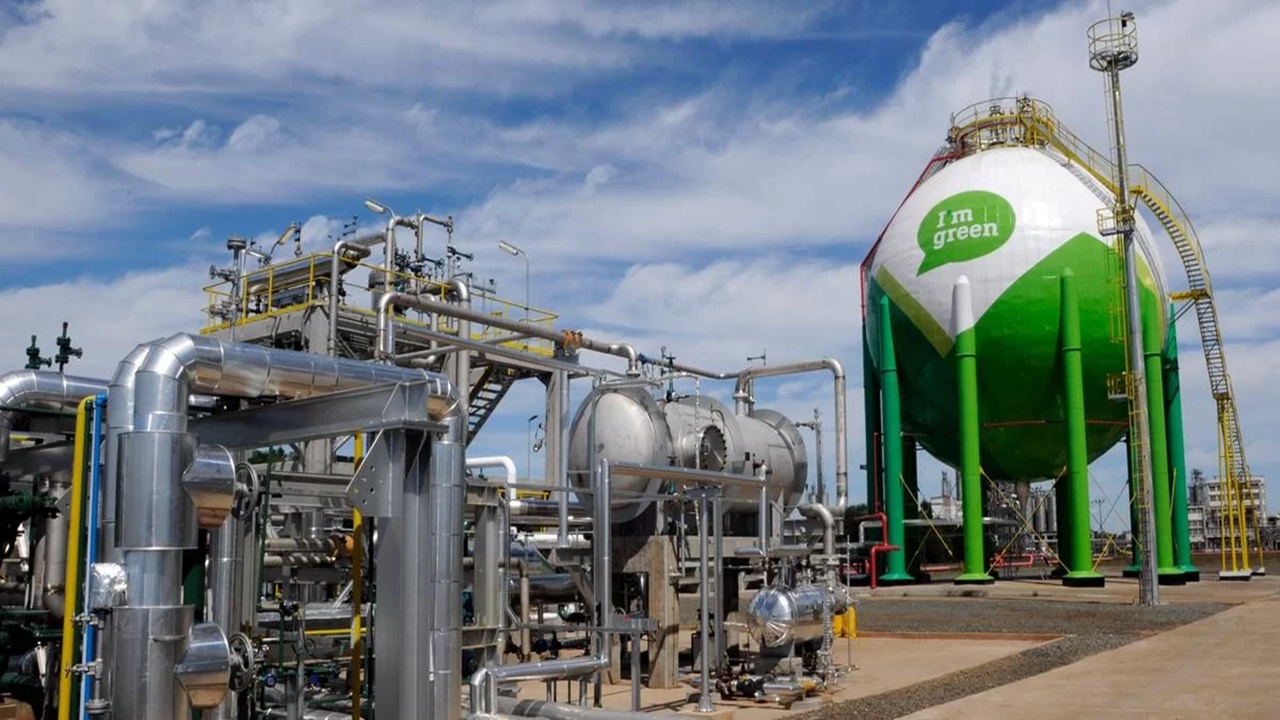
Committed to The Carbon-Neutral Circular Economy, Petrochemical Braskem Invests R$ 67 Million in Recycling Line With German Technology
The largest producer of thermoplastic resins in the Americas and a global leader in the production of biopolymers, petrochemical Braskem, started December with excellent news. The company announced an important investment for expanding its portfolio for recycling post-consumer resins (PCR) in a material fact reported yesterday (12/01). President of Petrobras Reaffirms That Integrity Is An Absolutely Non-Negotiable Value at The Oil Company
Read Also
- Metalworkers Called for Job Openings, Today December 2
- IMMEDIATE EMBARKATION: Multinational Hiring for Urgent Positions in Offshore Project in Brazil
- Jurong Aracruz Shipyard Opens Positions in Free Courses of Welding, Electrical, and Administrative in the Industrial Apprenticeship Program
The initiative is the result of a partnership with Valoren, a company that develops and operates technologies for waste transformation, to produce high-quality recycled resin.
In partnership with Valoren, Braskem will invest R$ 67 million in building a recycling line with the capacity to transform approximately 250 million packages into 14 thousand tons of high-quality post-consumer resin per year. The project will be installed in Indaiatuba, in the countryside of São Paulo state, and is expected to begin operations in the fourth quarter of 202.
-
Petrobras Expands Refining in Brazil, Increases Production of Diesel S-10 and Gasoline, Enhances Operational Efficiency, and Reduces Import Dependence Between 2023 and 2025
-
Petrobras’ Refap Sets Historic Records for Gasoline and S-10 Diesel Production in Canoas in Q4 2025, Surpassing Previous Figures
-
Revap Starts Operation of Modernized HDT and Petrobras Expands S-10 Diesel Production by 80% at the Refinery, Boosting Supply of Less Polluting Fuel in Brazil
-
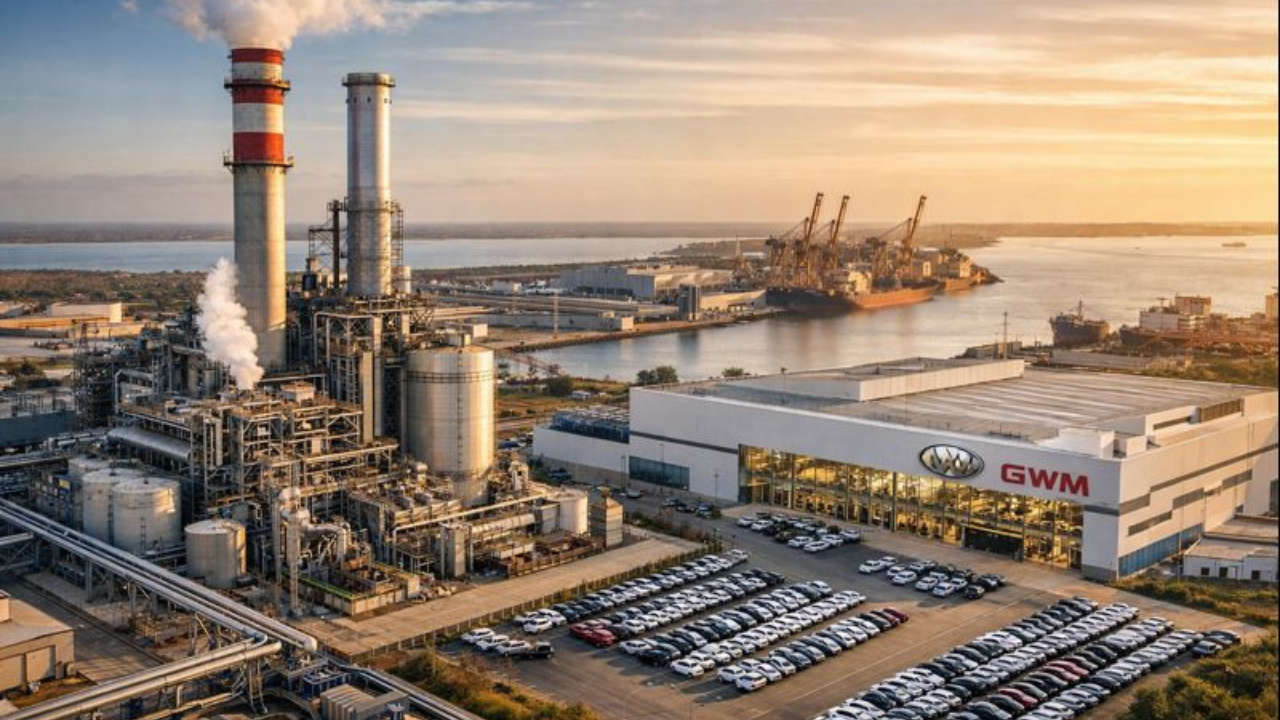
Thermal Power Plant in Rio Grande do Sul Is Key to Attracting GWM

According to Braskem’s Circular Economy Director in South America, Fabiana Quiroga, the technology will boost recycling in Brazil and, consequently, the market for post-consumer polymers.
Materials and Recycling Process
Most of the materials to be recycled will be of domestic origin, considering rigid polyethylene (PE) and polypropylene (PP) materials, such as food packaging, cleaning products, personal hygiene products, and cosmetics. The material, after processing, will result in high-quality PCR.
According to the announcement, the unprecedented project with state-of-the-art German technology aims to meet the best sustainability practices, with water recirculation treatments to optimize water and energy resources. Furthermore, it reinforces Braskem’s commitment to adopting best practices in pellet control – the format in which plastic resin is marketed.
“We have great confidence in this partnership with Braskem as we contribute to the development of an innovative project that brings the best of global recycling technology to Brazil, fully aligned with Valoren’s mission to enhance the circular economy through the valorization of waste, applying innovative technologies and business models. The project has not only a technological and economic aspect but also an environmental and social one by integrating a supply chain of materials that will promote an increase in plastic waste recycling and the professionalization of recyclers in Brazil,” comments Heinz-Peter Elstrodt, Chairman of Valoren’s Board.
Contribution of Plastics to Carbon Emission Neutralization
Braskem announced last month the expansion of its efforts to become a carbon-neutral company by 2050. To achieve this goal, the company’s strategy considers initiatives for reduction, offsetting, and carbon capture.
Among petrochemical plans for 2030, there is a goal to reduce greenhouse gas emissions by 15% and to expand its I’m greenT portfolio, which focuses on circular economy products, to include, by 2025, 300,000 tons of thermoplastic resins and chemical products with recycled content, reaching 1 million tons of these products by 2030. Additionally, the company will work towards ensuring proper disposal of 1.5 million tons of plastic waste in the next decade.
Braskem’s initiatives for the coming decades are aligned with the United Nations (UN) 2030 Agenda, its 17 Sustainable Development Goals, and the Paris Agreement on controlling the impacts of climate change. Learn about the company’s manifesto









Seja o primeiro a reagir!