





 Portuguese
  English
  Spanish
  4 min of reading
  0 comments


The Authorization Granted by ANP to PetroReconcavo to Import Natural Gas from Argentina and Bolivia Reinforces Regional Energy Integration and Increases Competitiveness in the Brazilian Energy Market
On this Friday (17), the National Agency of Petroleum, Natural Gas and Biofuels (ANP) published in the Official Gazette the authorization granted to PetroReconcavo to import up to 2 million cubic meters of natural gas per day. The gas will come from Argentina and Bolivia, with delivery scheduled at three strategic points: Corumbá (MS), Cáceres (MT), and Uruguaiana (RS).
Details of ANP’s Authorization and PetroReconcavo’s Action
This decision marks a significant advancement in the diversification of the Brazilian energy matrix, with potential to directly influence the energy market and national energy policy.
The ANP’s authorization is valid for two years and exclusively covers natural gas in its gaseous form. PetroReconcavo, a Brazilian company with prominent activity in oil and gas production and marketing, will now be able to expand its operations in the energy sector by importing gas from neighboring countries.
-
Brazilian giant expands borders in the Southeast: Petrobras confirms new oil discovery in ultra-deep waters in the pre-salt of the Campos Basin.

-
Alert in the global energy market: Severe tropical cyclone hits the coast and disrupts gas production at major plants in Australia, threatening global supply.

-
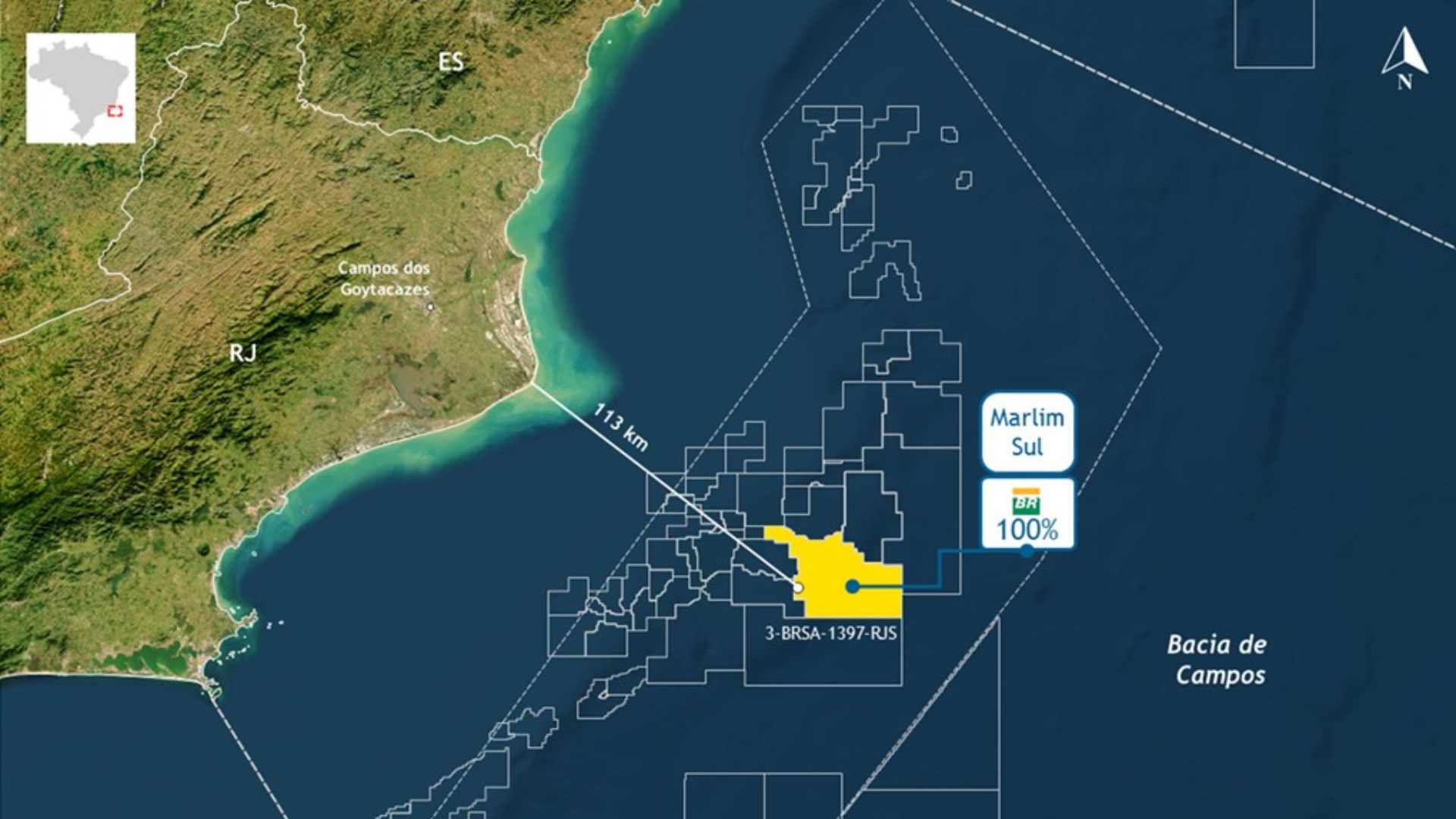
Petrobras finds high-quality oil in the pre-salt at 113 km from RJ and reignites expectations about strategic reserves in the Campos Basin.

-
Ocyan opens registrations for startups focused on innovation in the oil and gas sector and will select projects for Innovation Day with the support of Nexio.


The measure strengthens regional energy integration and increases competitiveness in the domestic market, allowing natural gas to reach different regions of Brazil with greater logistical flexibility.
The company will be able to serve industrial customers, thermoelectric plants, and local distributors, contributing to regional and national economic development. In this way, PetroReconcavo positions itself as a relevant agent in South American energy integration.
Import of Natural Gas from Argentina and Bolivia by PetroReconcavo
Argentina and Bolivia are two of the main suppliers of natural gas in South America. Bolivia, in particular, has a long tradition of exporting gas to Brazil through the Bolivia-Brazil Gas Pipeline (Gasbol), which has been operating since 1999.
Argentina, on the other hand, has been increasing its production capacity with the development of the Vaca Muerta formation, one of the largest unconventional gas reserves in the world.
PetroReconcavo’s decision to import gas from these countries reinforces the importance of regional energy cooperation, especially at a time of global energy transition and the search for less polluting sources.
Additionally, the measure could help reduce Brazil’s dependence on internal sources and liquefied gas imported by ships, which generally incurs higher costs.
Impact of ANP’s Measure on the Brazilian Energy Market
The entry of new volumes of natural gas into Brazil could have positive effects on the energy market:
- Increased supply of natural gas, with potential to reduce prices in the free market.
- Greater energy security, by diversifying supply sources.
- Increased competition, with more players participating in the commercialization of the product.
- Strengthening of transportation and distribution infrastructure, especially in the Midwest and Southern regions.
The ANP’s authorization to PetroReconcavo also has significant implications for Brazilian energy policy. The federal government has been seeking to increase the participation of natural gas in the energy matrix, as an alternative to coal and fuel oil in industrial processes and electricity generation.
The import of gas from Argentina and Bolivia aligns with the objectives of the New Gas Market, an initiative aimed at promoting openness and competitiveness in the sector, with greater involvement of private companies and reducing Petrobras’s concentration.
Moreover, the measure could stimulate investments in transportation infrastructure, such as pipelines and compression stations, and promote the development of industrial hubs in regions with access to imported gas.
The ANP, as a regulatory body, plays a fundamental role in this process by ensuring legal and technical security for natural gas import and commercialization operations.
PetroReconcavo and Its Strategy in the Energy Market
Founded in 2000, PetroReconcavo is one of the main independent operators of oil and gas in Brazil. The company mainly operates in revitalizing mature fields and marketing natural gas.
With the new ANP authorization, PetroReconcavo expands its operations into international gas trading, consolidating itself as a relevant agent in South American energy integration.
The company demonstrates the ability to adapt to the new demands of the energy market, investing in solutions that promote efficiency, competitiveness, and sustainability.
Natural Gas as a Vector for Energy Transition
Natural gas is considered a transitional energy source, as it emits less CO₂ compared to coal and fuel oil. The increase in gas supply can accelerate the replacement of more polluting sources, especially in electricity generation and industry.
However, experts warn that the energy transition must be accompanied by investments in renewable sources, such as solar and wind, as well as public policies that encourage energy efficiency and decarbonization.
Importing gas from Argentina and Bolivia may be a short- to medium-term solution, but Brazil needs to remain focused on a clean and sustainable energy matrix in the long term.


Future Perspectives for the Natural Gas Sector in Brazil
ANP’s authorization to PetroReconcavo to import gas from Argentina and Bolivia represents an important milestone for the Brazilian energy market. The measure can also strengthen regional integration, increase the supply of natural gas, and contribute to the country’s energy security.
Furthermore, the initiative aligns with the objectives of national energy policy, which seeks greater competitiveness, diversification of sources, and sustainability.
Thus, the country moves towards a more balanced, efficient energy matrix connected with the global challenges of energy transition. PetroReconcavo’s actions in this scenario reinforce the role of private companies in building a more dynamic and resilient energy sector.







Seja o primeiro a reagir!