





 English
  Francês
  Alemão
  Italiano
  Japonês
  Norueguês
  Portuguese
  Spanish
  3 min of reading


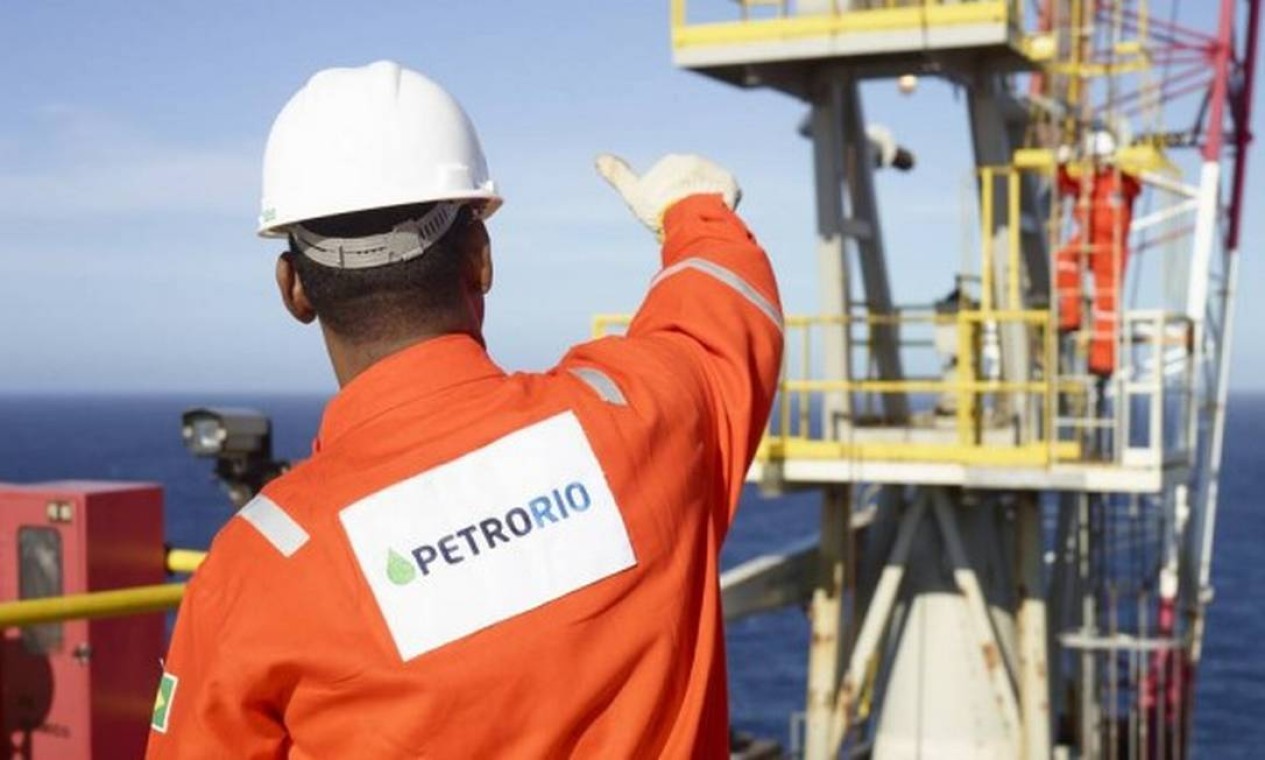
With the Gas Power Generation System, PetroRio Will Reduce Its CO2 Emissions and Diesel Consumption on Platforms
A new power generation system has been inaugurated on the FPSO Bravo by PetroRio, installed in the Polvo and Tubarão Martelo fields, both located in the Campos Basin. The generation of electric energy in the system will now be carried out with the natural gas produced in the field to replace the use of diesel. Based on the reductions in gas combustion at the unit’s flare and the significant diesel consumption on the platforms, as well as the reduction of logistics related to the distribution of this fuel, the new energy system has a strong premise of environmental gains.
Read Other Related News:
- Bolsonaro Criticizes Petrobras, and Government Authorizes the Ministry of Mines and Energy to Warn Stations That Do Not Follow the Fuel Price Reduction Approved by Congress;
- With 1 MW, Solarprime’s Solar Energy Project in Partnership with Sicredi Is Installed in the Interior of Mato Grosso do Sul, Representing the Advancement of Technology in This Sector;
- PetroReconcavo Increases Oil and Gas Production in Onshore Campos.
According to information from the oil company PetroRio, the website PetroNotícias reported that the direct consumption of diesel oil will drop by approximately 60,000 liters per day. In addition, it reiterates that the suspension of carbon dioxide (CO2) emissions will correspond to the planting of around 30,000 trees. The change in the gas treatment and compression module occurred without the need to stop production. The initiative only became viable due to the tieback between the two fields, which was completed in July 2021.
In this regard, Francilmar Fernandes, Director of Operations at PetroRio, states: “With the tieback between Polvo and Tubarão Martelo, PetroRio consolidated the generation of electric energy from the two fields into a single FPSO, the Bravo. Together, the fields were consuming about 80,000 liters of diesel per day. By utilizing the gas produced in the field, which was previously not utilized, the expectation is to meet 80% of this demand with significant environmental and financial benefits.”
-
Brazilian giant expands borders in the Southeast: Petrobras confirms new oil discovery in ultra-deep waters in the pre-salt of the Campos Basin.
-
Alert in the global energy market: Severe tropical cyclone hits the coast and disrupts gas production at major plants in Australia, threatening global supply.
-
Petrobras finds high-quality oil in the pre-salt at 113 km from RJ and reignites expectations about strategic reserves in the Campos Basin.

-
Ocyan opens registrations for startups focused on innovation in the oil and gas sector and will select projects for Innovation Day with the support of Nexio.


Furthermore, the director added that this adjustment was the final phase of the interconnection project between the Polvo and Tubarão Martelo units. After the tieback between the fields and the utilization of natural gas for power generation, PetroRio was able to achieve the goals of the so-called “Project Phoenix,” which was launched by the oil company in July of last year. For now, as a result, the company has already achieved a reduction in the lifting cost of the field to a value below US$ 12 per barrel.
Thus, the reduction in field costs allows for a greater amount of oil to be recovered from the reservoirs over a longer period and directly impacts the significant decrease in emissions. The economic life of the two PetroRio assets has been extended until 2037, which corresponds to an increase of 15 years and an addition of 40 million barrels to the Polvo Field stock. “There will be an additional 15 years generating jobs and royalties for the states and municipalities involved,” concludes Director Fernandes.
PetroRio Surges with 19% Increase in Oil Production in 2021
PetroRio announced last Thursday night, January 6, the preliminary data of its oil and gas production for the year 2021. As detailed in the report, the oil company concluded the period with 31,615 barrels of oil equivalent extracted daily. This volume represents a growth of about 19% compared to the 2020 figures – the year in which PetroRio produced 26,569 barrels of oil equivalent per day. For more information, just click here to read the full article.






Seja o primeiro a reagir!