





 Portuguese
  English
  Spanish
 5 min of reading
  0 comments


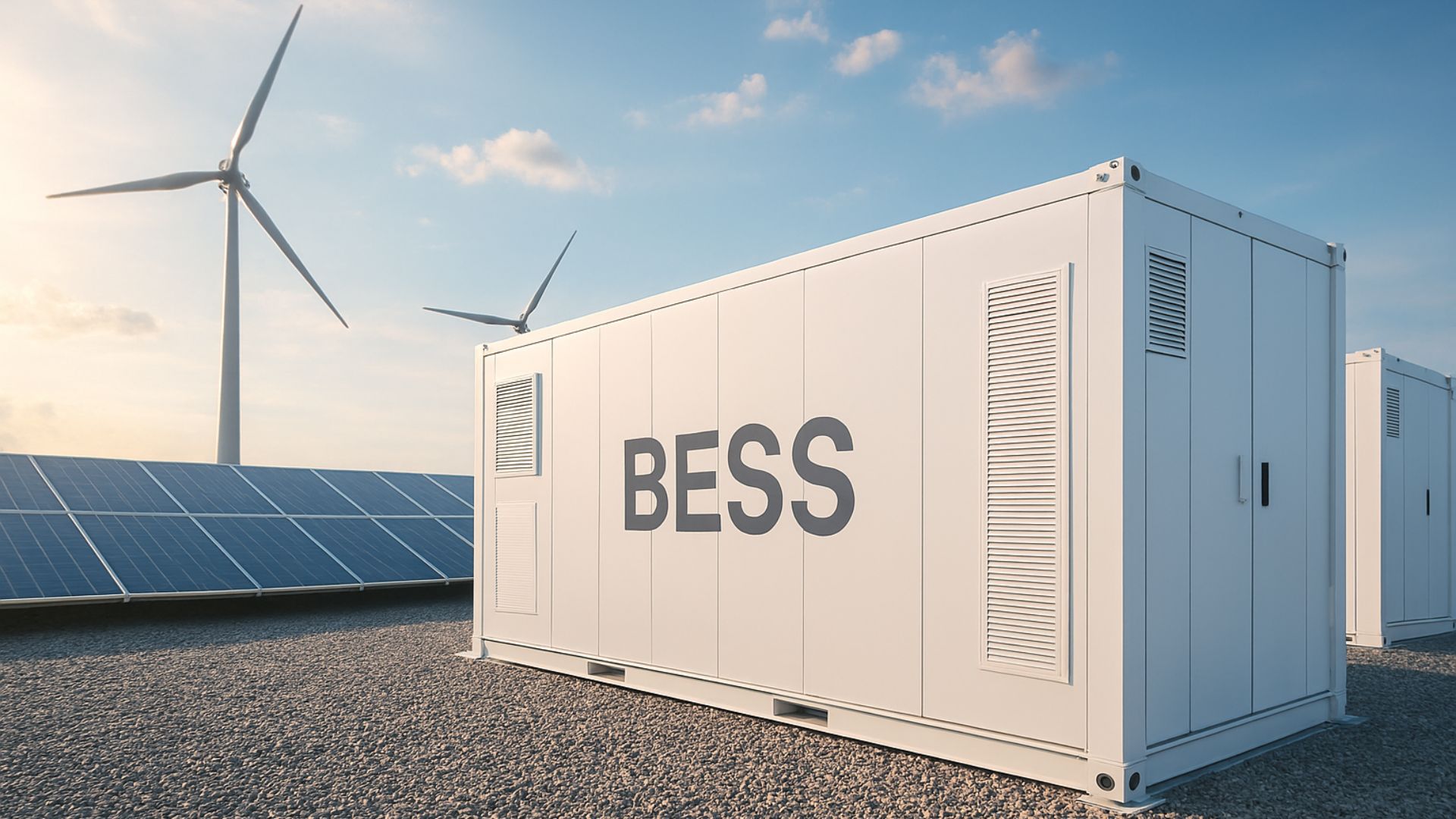
Piauí Advances in Modernizing the Electric Sector by Authorizing New BESS Projects for Battery Storage, Enhancing Grid Security and Boosting Renewable Energies
On November 24, 2025, the Government of Piauí took a historic step by issuing, for the first time, environmental licenses specific to battery energy storage systems, known as BESS (Battery Energy Storage Systems). According to information released by the Environment and Water Resources Secretariat (Semarh), five licenses were granted for such ventures, marking a turning point for the modernization of the state’s electric sector.
Energy Modernization in Piauí: Relevance and Impacts
The decision positions the state as a pioneer in Brazil by creating a clear and functional regulatory process for energy storage, enabling the safe and strategic expansion of its already consolidated matrix based on renewable energies.
Today, Piauí has one of the cleanest energy matrices in Brazil, with 99.75% of energy produced from renewable sources, according to official data from sector agencies. This scenario strengthens the state’s innovative vocation but also imposes challenges related to the natural intermittency of solar and wind energy.
-
Renewable energy advances over protected areas in Brazil, and a survey by the Energy Transition Observatory reveals silent impacts that challenge environmental conservation and pressure sensitive traditional territories.

-
Rio Grande do Sul accelerates energy transition: State invests in renewable technologies and consolidates decarbonization strategies and pathways to attract billions in new industrial investments.

-
With 160,000 m² of collectors, an area larger than 20 football fields, Silkeborg, in Denmark, hosts a solar thermal plant that heats 19,500 homes and could become the largest solar heating plant in the world.

-
A study reveals the expansion of renewable energy procurement in Brazil and shows how companies are taking advantage of opportunities to reduce expenses, ensure energy efficiency, and strengthen strategic environmental commitments.


The issuance of specific licenses for BESS is exactly intended to face this challenge. Battery systems allow the storage of energy produced during high generation periods and make it available when production drops or demand increases.
Regulatory Milestone That Enabled Progress
CONSEMA Resolution No. 46/2022 Defines Licensing Criteria
The movement was made possible by Resolution No. 46/2022 from the State Environmental Council (Consema), which officially included Battery Energy Storage Systems as activities subject to environmental licensing. The regulation establishes objective criteria for classifying the ventures, considering, for example, the useful area of the projects and the size of the facilities.
This resolution created a clear regulatory environment, allowing entrepreneurs to understand exactly which requirements must be met. Additionally, it brought legal security and reduced uncertainties—key factors to attract new investments to the state.
Piauí Anticipates Federal Guidelines and Leads the Debate
The Licensing Director of Semarh, Catharina Teixeira, stated that Piauí is ahead of regulations that are still under federal discussion, both at ANEEL and the Ministry of Mines and Energy. This pioneering positioning gives the state a strategic advantage as Brazil moves towards broader electric storage policies.
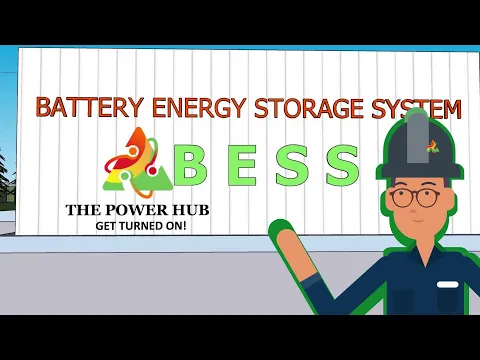
BESS Storage: How the System Strengthens the Electric Grid?
Stability and Quality of Supply
The adoption of BESS is essential to enhance the quality of electrical supply. Batteries act as buffers against the natural fluctuations of solar and wind energy, allowing for excess production to be stored and released as needed. This reduces fluctuations, improves voltage in the grid, and lowers the risk of outages. This stability is crucial for residential and industrial consumers as well as for the renewable energy parks themselves.
Operational Flexibility and Efficiency
Storage systems also enhance operational flexibility, allowing energy to be delivered at strategic times. This can result in more competitive prices and greater efficiency for the system as a whole.
Moreover, BESS is essential for increasing the integration of clean sources into the electrical system, especially in regions that already have a high concentration of plants, such as Piauí.

Strategic Importance for Piauí in the Energy Transition
Strengthening the Renewable Energy Matrix
With the issuance of new licenses, Piauí expands its capacity to manage the production of renewable energies. According to the Secretary of the Environment, Feliphe Araújo, this initiative makes the state a reference in sustainable energy development.
By mastering both generation and storage, the state distinguishes itself as a national innovation hub. This progress may attract new solar and wind parks, technology laboratories, engineering companies, and investors interested in stable regulatory environments.
Connection with the National Storage Agenda
Brazil is moving towards its first federal storage auction, scheduled for 2028. By already having licensed systems, Piauí becomes one of the most prepared states to meet future contracting mechanisms.
This positioning also allows the state to test business models, develop local competencies, and produce technical intelligence that can be replicated in other regions of the country.
Challenges for the Growth of Licensed Projects
Scalability of Storage Systems
Despite the progress, the initial number of five licenses is still far from the scale necessary to generate deep impacts on the electric grid. The expansion of storage capacity will depend on private sector interest and public incentive policies.
Investment and Financing
Installing BESS systems requires substantial investments. For Piauí to become a major storage hub, it will be essential to attract national and foreign companies, as well as create attractive financing mechanisms.
Integration with the Electric Grid
Another challenge will be the integration of licensed systems with existing connection points. This stage involves technical planning, infrastructure works, digital communication, and advanced control systems.
Constant Regulatory Monitoring
As this is an emerging technology, the regulatory landscape must evolve continuously. It will be necessary to align state regulations with future ANEEL guidelines to ensure standardization, safety, and efficiency.
Comparison with Initiatives in Other Regions of Brazil
Piauí’s move occurs in parallel with important national initiatives, such as the public consultation for the first electric storage auction and the discussion on compensation for ancillary services.
Nevertheless, Piauí remains the only Brazilian state with environmental licenses specifically issued for battery storage systems. This places the state in a strategic position both to test technologies and to influence the regulatory framework of the country.
Strategic Perspective for the Energy Future of Piauí
The issuance of the first environmental licenses for BESS systems represents more than an administrative advance: it symbolizes a structural change in how Piauí manages its renewable energy production. The state demonstrates a forward-looking vision by combining clean generation with intelligent storage, ensuring efficiency, security, and stability for the electric system.
With regulatory anticipation and the adoption of an innovative licensing model, Piauí establishes itself as a national reference in the energy transition. In the coming years, the challenge will be to scale these projects, attract investments, and develop specialized labor, transforming this pioneering spirit into tangible results for the economy and the population.









Seja o primeiro a reagir!