





 Português
  Inglês
  Espanhol
 4 min de leitura
  0 comentários


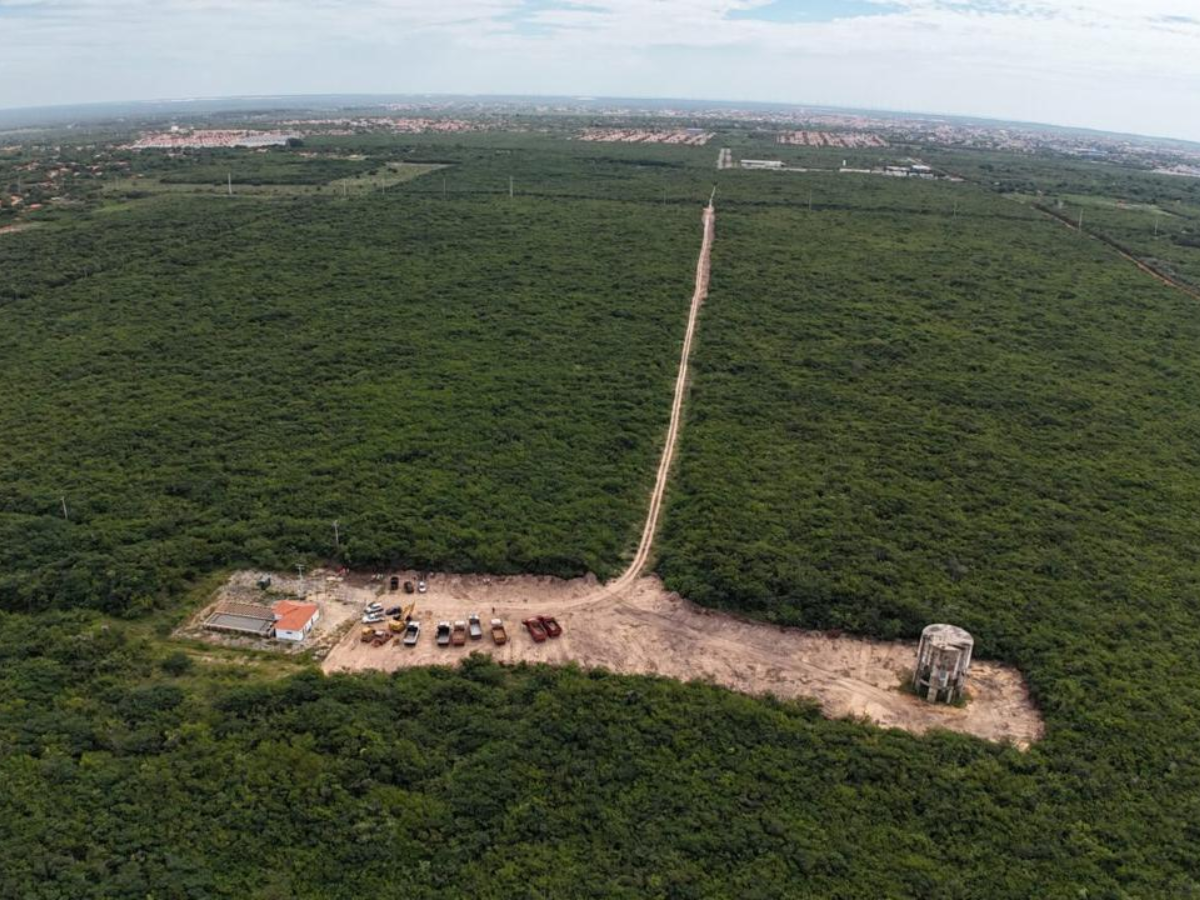
The World’s Largest Green Hydrogen Plant Is Being Built in Piauí, Making the State a Reference in Clean Energy.
The state of Piauí has begun the construction of the largest hydrogen plant on the planet, a milestone that places Brazil at the center of the renewable energy revolution.
With an initial investment estimated at R$ 27 billion, the project by the Spanish multinational Solatio Energia Livre will be installed in the Export Processing Zone (ZPE) of Parnaíba, on the Piauí coast, and promises to transform the regional economy by generating more than 2,000 direct jobs in the first phase.
The expectation is that the plant will produce 400,000 tons of green hydrogen and 2.2 million tons of green ammonia annually, meeting the growing demand from international markets, particularly in Europe.
-
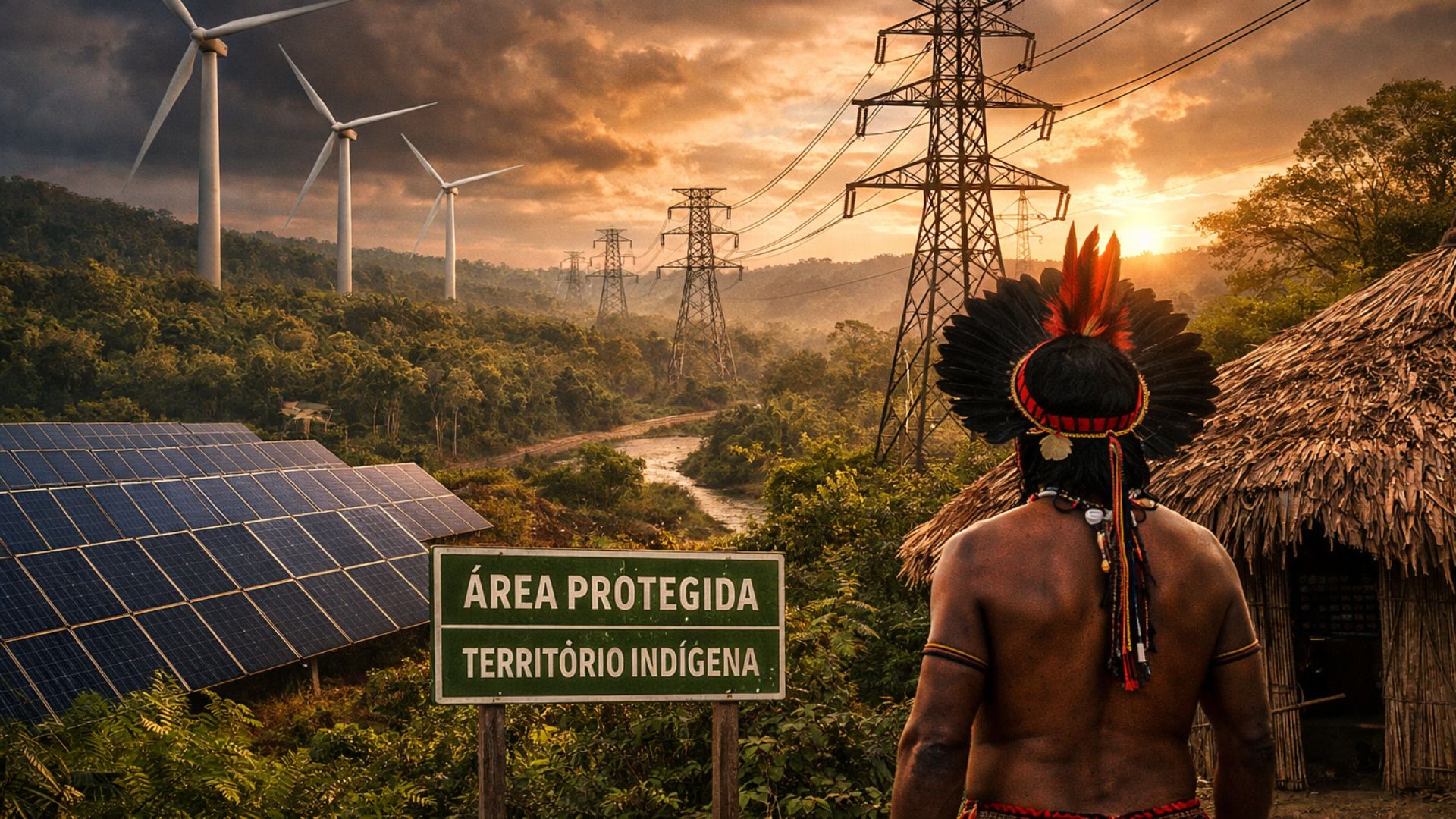
Renewable energy advances over protected areas in Brazil, and a survey by the Energy Transition Observatory reveals silent impacts that challenge environmental conservation and pressure sensitive traditional territories.
-
Rio Grande do Sul accelerates energy transition: State invests in renewable technologies and consolidates decarbonization strategies and pathways to attract billions in new industrial investments.

-
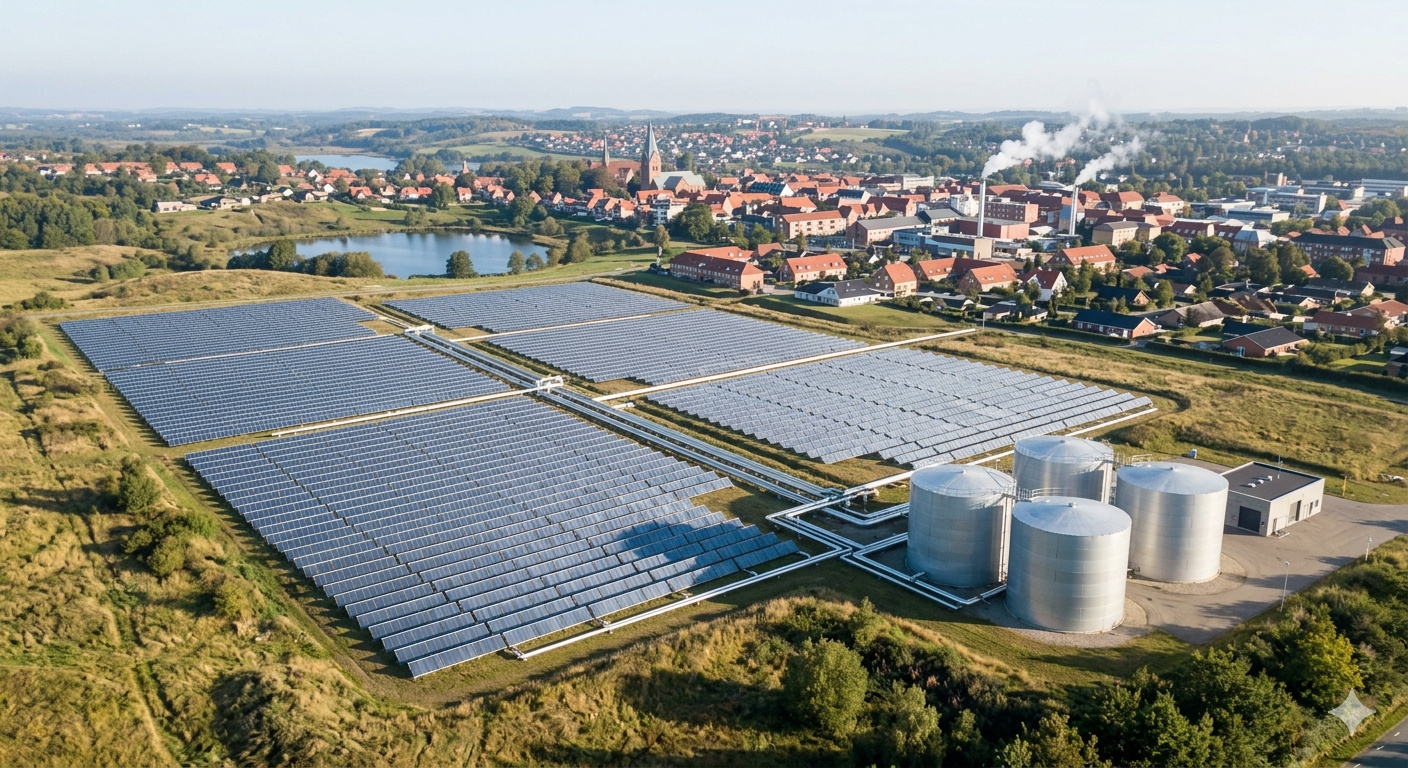
With 160,000 m² of collectors, an area larger than 20 football fields, Silkeborg, in Denmark, hosts a solar thermal plant that heats 19,500 homes and could become the largest solar heating plant in the world.
-
A study reveals the expansion of renewable energy procurement in Brazil and shows how companies are taking advantage of opportunities to reduce expenses, ensure energy efficiency, and strengthen strategic environmental commitments.


A Historic Investment for Piauí and Brazil
The construction of the world’s largest green hydrogen plant in Piauí represents an investment equivalent to about one-third of the state’s Gross Domestic Product (GDP), which is around R$ 72.8 billion.
The work began with the clearing of 154 hectares in the ZPE Parnaíba, marking the first step towards creating an unprecedented energy infrastructure on an industrial scale, as currently, other green hydrogen production units operate only on a small scale.
The expectation is that the complex will begin operation in mid-2029, reaching full capacity only in 2031.
Natural and Strategic Potential for Green Hydrogen Production
The choice of Piauí to host this plant was not random. The state has two essential resources for green hydrogen production: abundant water in the subsurface and clean renewable energy produced locally, primarily from wind and solar sources.
Additionally, the region has strategic port infrastructure for export, facilitating the flow of clean fuel to international consumer markets.
Governor Rafael Fonteles highlights the state government’s commitment to energy transition, putting the topic as a priority to promote sustainable development and job creation.
Job Creation and Local Economic Impact
The economic impact of building and operating the world’s largest green hydrogen plant will be felt immediately in the region.
The first phase of the project anticipates the creation of 2,300 direct jobs by 2031, including positions for engineers, technicians, and specialists, which will boost the job market in Parnaíba and neighboring cities.
Besides job generation, large-scale production is expected to attract associated industries, such as fertilizer factories, green steel, and industrial equipment maintenance.
The Green Hydrogen Revolution in the Fertilizer and Steel Industries
According to Ricardo Castelo, vice president of the Piauí Strategic Investments Attraction Agency (Investe Piauí), the green hydrogen produced at the Solatio plant will be a game changer for Brazil’s fertilizer industry, which currently imports 95% of its inputs.
The green ammonia produced in Piauí is expected to supply this strategic sector, promoting a national and sustainable production chain.
Moreover, green hydrogen could be used in the production of green steel, a highly valued product in the European market, leveraging local iron ore production in the Piripiri region.
To produce green hydrogen on an industrial scale, the plant will consume about 3 gigawatts (GW) of energy, a value three times higher than the total current consumption of Piauí, which is about 1 GW.
This means that the project will not only utilize clean energy generated in the state, but also contribute to increasing local tax revenue, as taxes related to energy consumption will remain in Piauí.
Currently, Piauí is a significant exporter of renewable energy to the national system, but most energy taxes end up being collected in consumer states.
Environmental Commitment and Sustainability
Solatio Energia Livre follows a strict environmental protocol during all phases of construction. The vegetation suppression is monitored by a multidisciplinary team of engineers, biologists, agronomists, and veterinarians, who monitor and protect the local fauna and flora.
Among the measures adopted are the use of sounds to drive away animals, interruption of work in case of active nests, and the rescue of threatened species, such as aroeira and amburana.
The company also promotes vegetation recomposition by creating nurseries for the proper relocation of seedlings, ensuring environmental preservation throughout the area.
Green Hydrogen: Technology and the Future of Clean Energy
Green hydrogen is produced by the electrolysis of water, a process that uses electric energy from renewable sources to separate the water molecule into hydrogen and oxygen without emitting greenhouse gases.
Despite its high cost and infrastructure challenges, green hydrogen is emerging as one of the main alternatives to fossil fuels, especially for countries looking to reduce carbon emissions in their industrial and transportation sectors.
The importance of Piauí in the national and international clean energy scenario was recently reinforced by the Brazil Energy Conference 2025, held in Teresina.
The event brought together experts, authorities, and businessmen to discuss the future of energy transition in Brazil and culminated in the signing of the Brazil Energy letter, a document that will be presented at COP30, reinforcing the state’s position as a leader in the green economy.







-

-

2 pessoas reagiram a isso.