





 Portuguese
  English
  Spanish
  4 min of reading
  4 comments





In 2024, Brazil Surprises With GDP Growth, But 2025 Brings an Uncertain Future. President Lula Will Have to Make Crucial Fiscal Adjustments to Ensure the Economy Does Not Take a Nosedive. What Awaits Us in the Coming Months? Projections of an Economic Slowdown Raise Concerns, and the Country Needs to React Now to Avoid a Crisis.
Brazil has experienced a surprising 2024, with economic results better than expected. After a series of challenges faced in previous years, the country’s economy seems to be getting back on the path to recovery.
However, the robust growth observed so far does not eliminate the fiscal and monetary challenges that still loom over the country’s future.
According to data released by the Brazilian Institute of Geography and Statistics (IBGE) and economic analysis sources, the Gross Domestic Product (GDP) grew by 0.9% in the third quarter of this year.
-
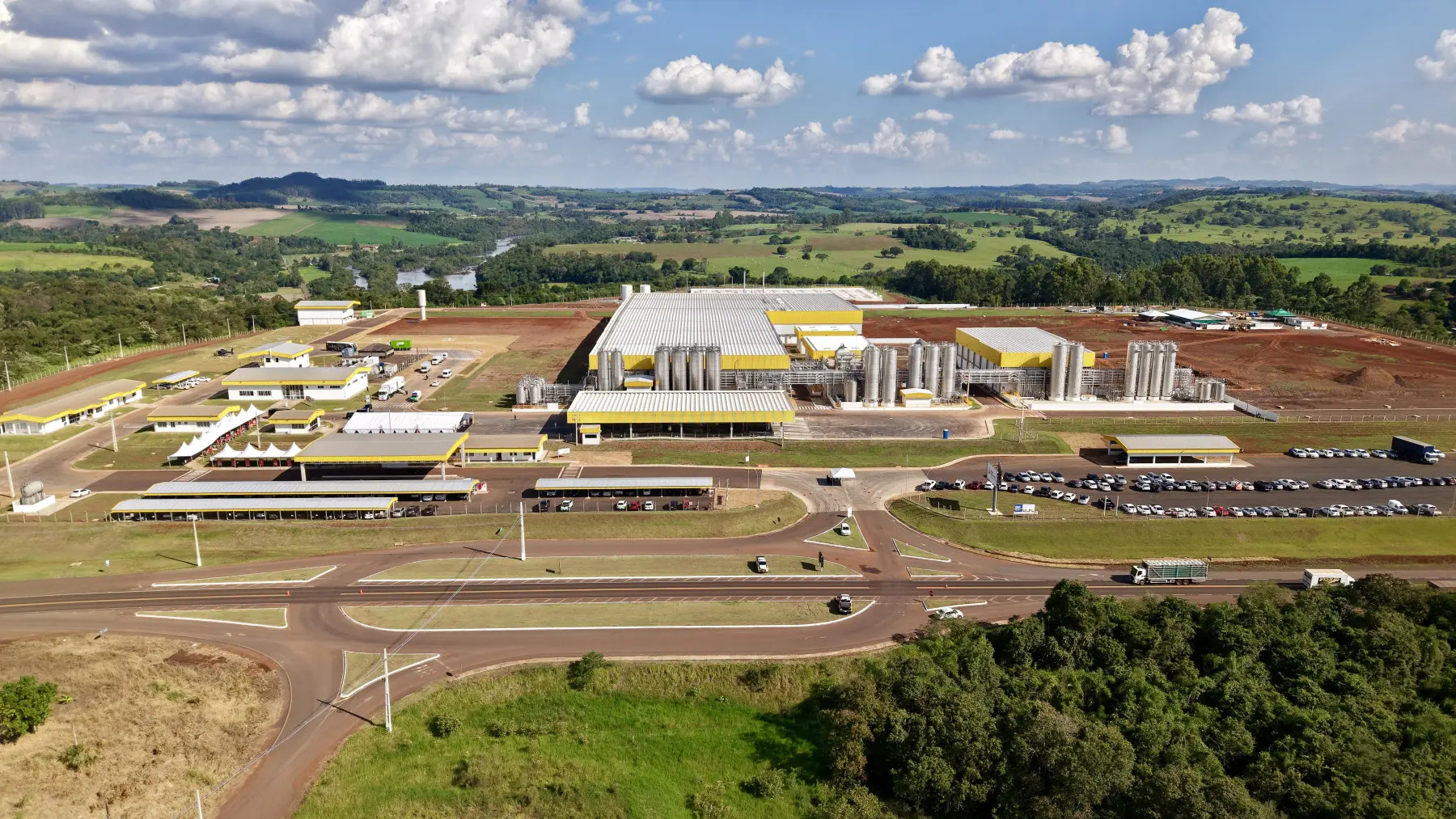
With an investment of R$ 612 million, a capacity to process 1.2 million liters of milk per day, Piracanjuba inaugurates a mega cheese factory that increases national production, reduces dependence on imports, and repositions Brazil on the global dairy map.
-
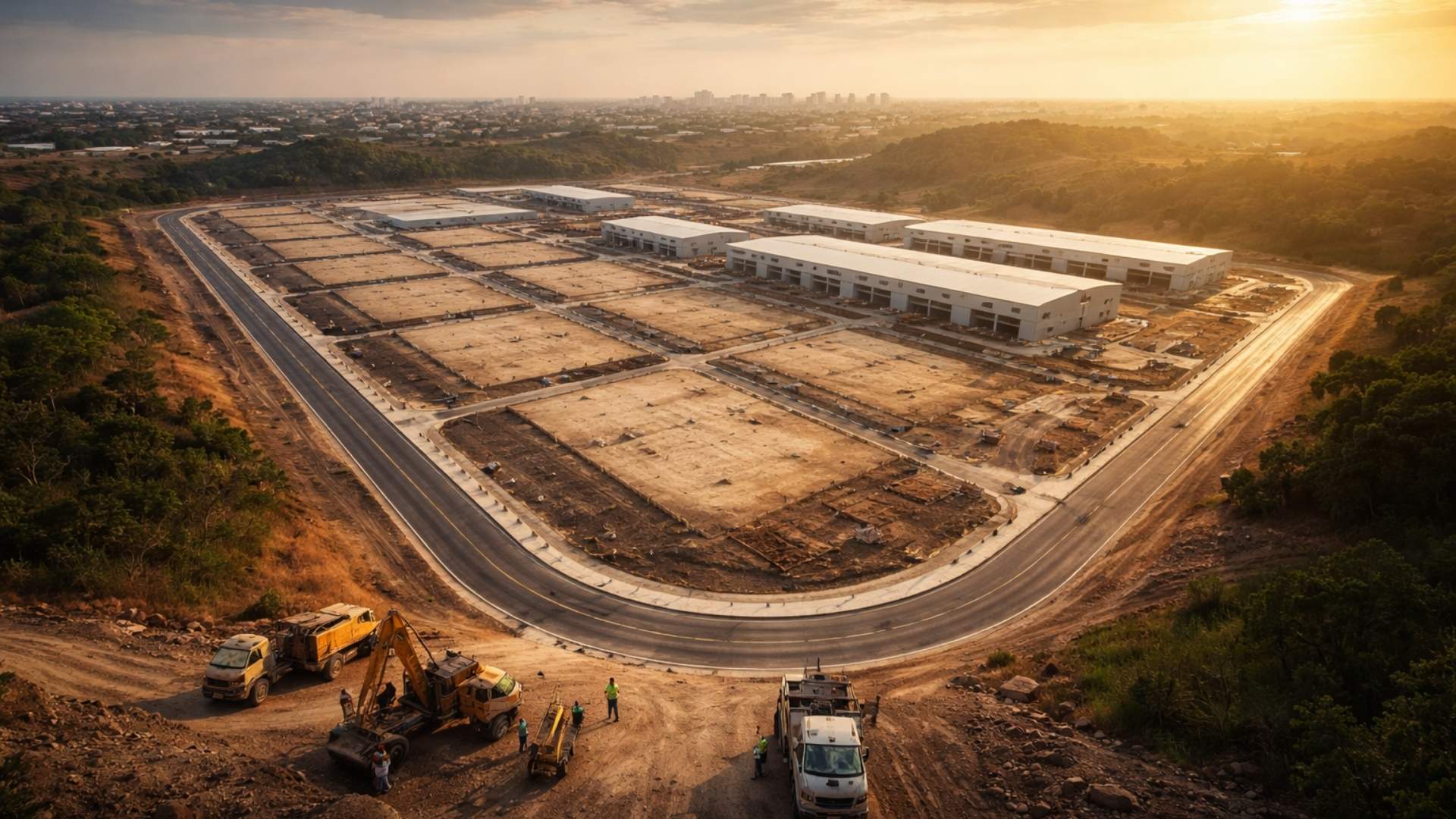
Brazilian city gains industrial hub for 85 companies that is equivalent to 55 football fields.
-
Peugeot and Citroën factory in Argentina cuts production by half and opens a layoff program for more than 2,000 employees after Brazil drastically reduced purchases of Argentine vehicles.

-
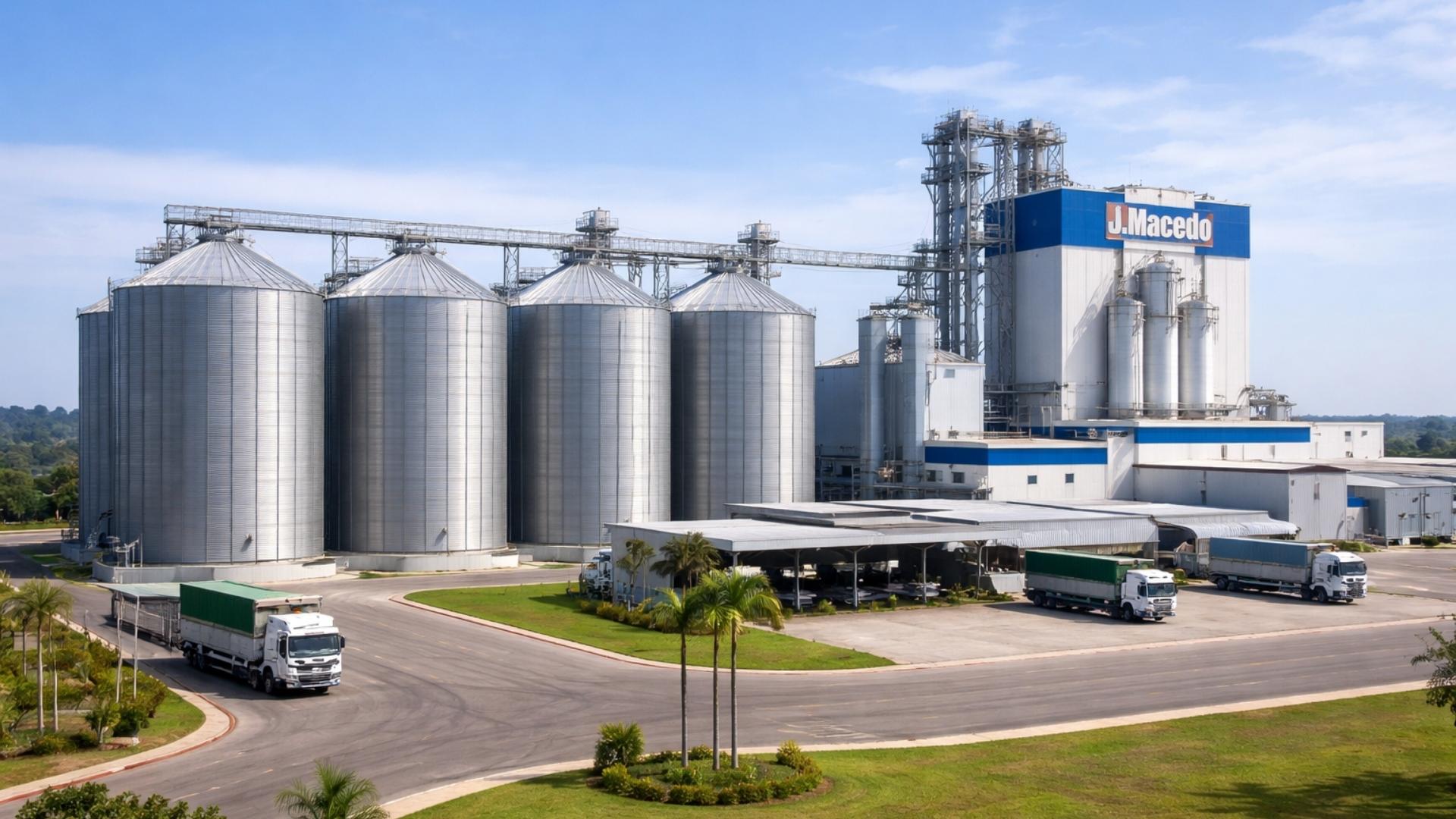
A Brazilian city gains a factory worth R$ 300 million with the capacity to process 200 thousand tons of wheat per year, a mill of 660 tons/day, silos for 42 thousand tons, and an industrial area of 276 thousand m².
The growth accumulated so far is 3.3%, surpassing the expectations of many analysts. However, there is significant concern about the year 2025, and the Brazilian government will need to make crucial strategic decisions to ensure that economic recovery is not interrupted.
Challenges and Expectations for Growth
According to the International Monetary Fund (IMF), Brazil’s GDP growth in 2024 has been revised to 3%, a significant increase from the previous forecast of 2.1%.
The IMF highlighted that this superior performance was driven by a strong labor market, controlled inflation, and government resource transfers, such as social assistance programs, which have been fundamental in sustaining household consumption
However, the robust growth scenario may be fleeting. The high interest rate, currently at 11.75%, and the reduction of fiscal stimuli are expected to slow down the economy in 2025.
The federal government, under the leadership of President Luiz Inácio Lula da Silva, has adopted an expansive fiscal policy, increasing benefits such as Bolsa Família and the early payment of court-ordered debts.
Although these measures have provided temporary relief to the economy, experts warn that they need to be adjusted to avoid overloading public finances
Sectors Performing Well and Weakly
The Brazilian economy has shown mixed performance among productive sectors. The agricultural sector, which performed negatively compared to last year, saw a significant decline, especially in products like sugarcane and corn
However, the industrial sector has been one of the engines of growth, particularly construction, which saw an increase of 5.7%, and the manufacturing industry, which recorded a growth of 4.2%, driven by the production of vehicles and other equipment
Services, in turn, have also been an important source of expansion, particularly in information and communication activities and in retail.
The growth in demand for digital services, transportation, and real estate activities has boosted the recovery of the sector
However, it is important to note that the rising dollar and high energy prices remain challenges for the services sector, particularly in retail and industry
The Role of Fiscal and Monetary Measures
The federal government has been working to adjust the budget and strengthen Brazil’s fiscal framework. However, the rise in interest rates by the Central Bank, the expectation of further hikes in upcoming meetings, and the risk of an economic slowdown in 2025 create an uncertain scenario.
The dollar, which remains strong, pressures wholesale costs, and this is likely to be passed on to retail, resulting in potential inflationary pressure
The economic recovery also depends on careful analysis of fiscal policy, as the government will need to reduce the expansion of its spending to ensure that the country does not face a fiscal crisis in the coming years.
According to G1, Brazil’s success in 2024, with solid GDP growth, depends on the government’s ability to balance fiscal stimulus with inflation control and public accounts
Projections for the Future: The Challenge of 2025
While predictions for 2024 are positive, the major challenge will be to maintain growth in 2025. The IMF has revised its growth projection for the following year to 2.2%, a reduction from previous estimates.
This slowdown is expected to be primarily caused by restrictive monetary policy and cooling the labor market
The fiscal measures that the government has implemented so far have been effective, but a finer adjustment will be necessary to avoid a sharp economic slowdown in 2025.
The Lula government will have to make tough decisions to ensure that the country remains on the path to recovery and does not face an economic stagnation crisis
The Influence of the External Market
An important factor for the growth of the Brazilian GDP is the external market. Brazilian exports increased by 2.1%, particularly in food and chemical products.
However, imports grew at a faster pace, with a rise of 17.7%, which may create imbalances in the trade balance
This increase in imports, combined with the strong dollar, could impact internal prices and lead to a rise in inflation rates, directly affecting the purchasing power of Brazilian households.
The combination of these factors increases the complexity of the government’s task to maintain economic growth at sustainable levels without letting the economy become unbalanced
What to Expect for 2025?
With the economy performing well in 2024, many are asking: Will Brazil be able to maintain growth next year, or will the slowdown be inevitable? The government’s success in adjusting its fiscal and monetary policies will be crucial to avoid an economic crisis in the future.
Is Brazil prepared for the challenges ahead in 2025, or will the slowdown be unavoidable?








O tal “mercado” vai quebrar a cara novamente.
O Brasil vai crescer sim, acima do estimado, Lula não vai abrir mão das políticas sociais, e assim será reeleito em 26.
Viva o nosso Presidente, os Brasileiros conscientes estão com o Senhor. Viva o Brasil, viva a democracia.
Não acerta uma previsão, já vem as coans agourar de novo o próximo ano e vão errar de novo!
Desde quando “DESAFIO” se constituiu problemas para o Sr. LUIS INACIO LULA DA SILVA?
Disse tudo