





 Portuguese
  English
  Spanish
  4 min of reading
  1 comment


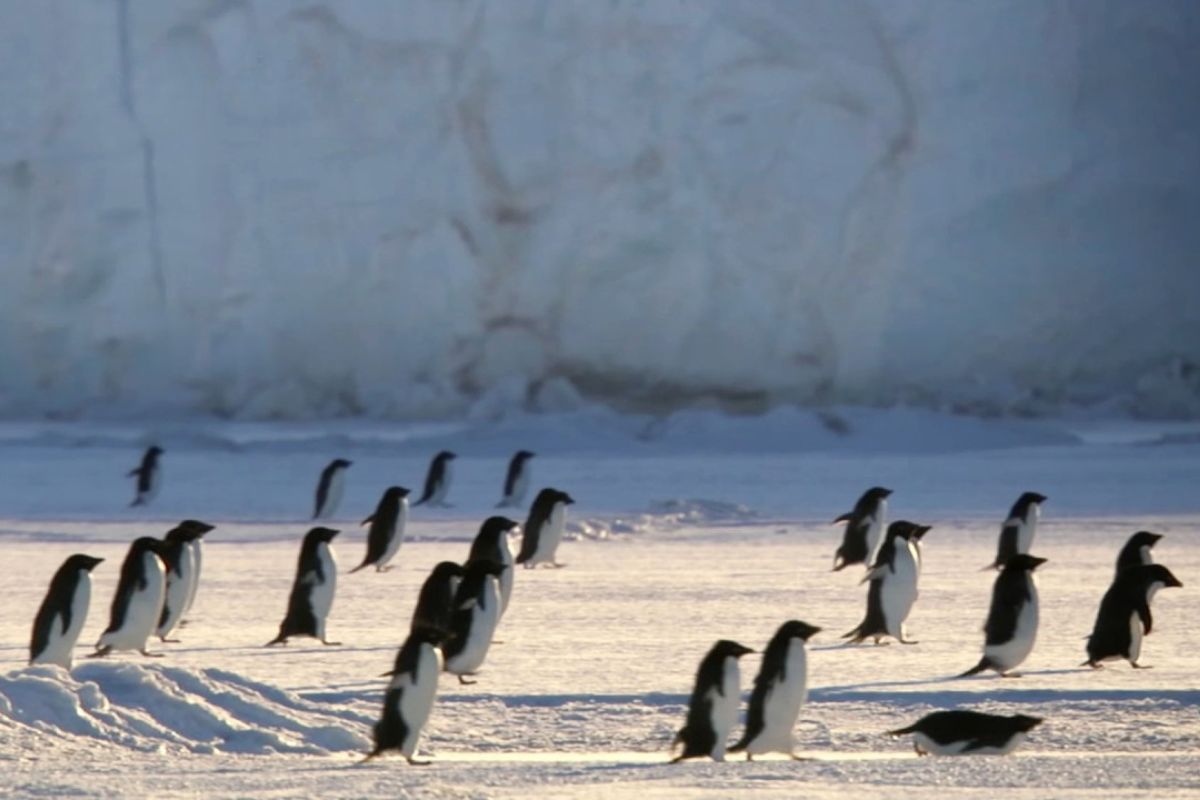


After The Longest Migration Recorded Among Penguins, Male Adélie Penguins Arrive At The Bare Rock Of Antarctica And Race Against The Clock To Repair Stone Nests. With 99% Returning To The Same Point, The Lack Of Material Leads To Thefts, Surveillance, And Fights In The Days Before The Return Of Their Partners.
The Adélie Penguins Are Protagonists Of An Extreme Displacement In Search Of The Right Location To Nest, With Records Of Over 9,600 Kilometers Traveled. In Another Measurement Cited For The Same Journey To The Bare Rock, The Distance Of 13,000 Kilometers Appears, Attributed To The Route Taken By Males Until They Find Exposed Ground, Since Penguins Do Not Lay Eggs On The Ice.
When They Finally Arrive, The Behavior Changes: The Focus Shifts From Displacement To Reproductive Logistics. Ninety-Nine Percent Of Penguins Return To The Same Nests Every Year, But A Harsh Winter Alters The Scenario And Transforms The Breeding Ground Into A Rushed Construction Site, With Direct Competition For A Basic Resource: Stones.
The Longest Migration And The Race For Bare Rock

The Migration Described As The Longest Among Penguins Has A Practical Goal: To Reach Areas In Antarctica With Bare Rock, An Indispensable Condition For Nesting These Adélie Penguins.
-
A “silent skill” is allowing Brazilians to earn up to R$ 22,000 per month without a degree and become indispensable for companies that rely on millions of data to survive.

-
Researchers at the Toyota Research Institute found that if a human uses robotic arms to flip a pancake 300 times in an afternoon, the robot learns to do it on its own the next morning, and this is currently the most promising method to solve the biggest bottleneck in modern robotics.

-
Goodbye iron: a common item in households is starting to lose space to technology that smooths clothes in minutes without an ironing board and with less energy consumption.

-
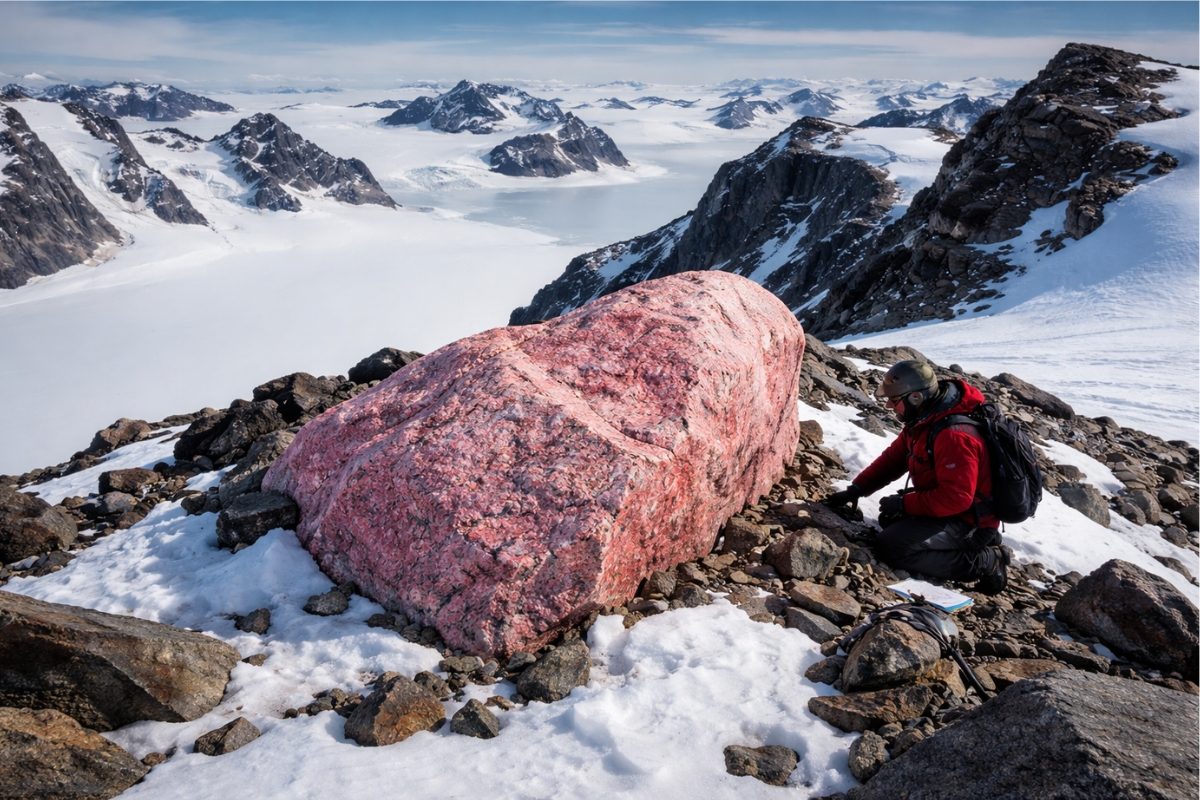
Antarctica reveals an unusual clue high in the Hudson Mountains, and what appeared to be just an isolated rock began to expose a secret hidden under the ice for ages.

The Demand For Exposed Surface Creates A Natural Bottleneck, Because The Destination Is Not “Any Place”: It Is A Specific Point Where The Nest Can Exist And Withstand.
This Need Also Helps To Explain Why The Return Is So Concentrated And Predictable.
Instead Of Dispersing, Penguins Converge To The Same Breeding Grounds Year After Year, Reinforcing The Nest Fidelity Pattern.
Why 99% Return To The Same Nest

The Data That 99% Return To The Same Nests Defines What Happens Next.
If Almost Everyone Returns To The Same Point, The Season Begins With A Memory Of Address, Implicit Territory, And A Clear Reference Of What Needs To Be Rebuilt.
However, The Stability Of The “Address” Does Not Guarantee The Stability Of The Nest.
After A Harsh Winter, The Stone Nests Need A Complete Renovation, And This Creates A Collective Urgency In A Limited Space, With Many Individuals Seeking The Same Type Of Material.
Total Renovation After The Winter And The Time Factor

The Winter Does Not Appear As A Background, But As The Direct Reason For The Pressure: It Leaves The Breeding Ground In A State Of Mandatory Maintenance.
The Window Of Action Is Short.
The Males Have Only A Few Days Before The Return Of Their Partners, And This Countdown Defines The Intensity Of The Observed Behavior.
In This Interval, The Reconstruction Work Becomes An Operational Priority.
The Period Is Short, The Demand Is High, And The Resource Is Physical, Heavy, And Specific: Suitable Stones To Compose And Reinforce The Nest.
The Males’ Work And The Selection Of The Stones

Among The Adélie Penguins, Nest Building Is Not Treated As A Detail.
The Record States That There Is No Other Penguin In The Family That Dedicates The Same Effort To Building Its Nest, And Emphasizes A Methodical Behavior: A “Conscientious” Male Invests Time In The Selection.
The Selection Is Not Random. He Looks For The Perfect Stones, Those “Exactly Right.”
This Precision Suggests A High Demand Pattern: It Is Not Enough To Have Stones; They Must Have Characteristics Suitable For The Nest, Which Further Reduces Availability And Increases Friction Among Individuals.
The Shortcut: Stealing Stones And The Domino Effect On The Breeding Ground
With Difficulty Finding Ideal Stones, Some Individuals Resort To The Shortcut Described As “Cunning”: Stealing Stones From Other Nests.
The Dynamic Is Simple And Brutal: While One Works To Build, Another Transfers The Result Of That Effort To Their Own Nest.
The Contrast Becomes Evident In The Scene: One Penguin Seems Oblivious To The Fact That Their Own Work Is Being Sabotaged.
In Parallel, The Thief’s Nest Is Thriving, Precisely Because They Reduce The Cost Of Search And Collection To A Minimum, Shifting The Effort To The Neighbor.
Surveillance, Invaders, And Fights Over A Basic Resource
Theft Is Not An Isolated Event, But A Pattern That Requires Countermeasures.
The “Thief,” According To The Description, Knows Very Well That They Need To Stay Alert To Possible Invaders, Indicating That The Practice Is Self-Feeding: Those Who Steal Also Fear Being Stolen From.
With The Tight Deadline, Winter As A Trigger, And The Return Of The Partners Approaching, The Competition For Stones Quickly Escalates.
The Result Is An Environment Of Tension, With Constant Surveillance And Fights That Are Not Explained By Gratuitous Aggressiveness, But By Time Pressure And Practical Scarcity Of Material.
In The End, The Couple Will Still Need To Protect The Chicks For Almost A Year, But Everything Starts Here: In The Renovation Of The Nest And The Dispute For Stones, Immediately After The Migration.
If You Want To Follow More Stories Of Extreme Animal Behavior, Migrations, And Survival In Hostile Environments, Save This Topic And Follow The Upcoming Reports On Wildlife.
And You: If You Had Only A Few Days To Prepare A Nest And Everyone Was Competing For The Same Stones, What Strategy Do You Think Would Work Best?







Está errado. O casal ainda vai precisar proteger os filhotes por tres meses e não (quase um ano)