





 Portuguese
  English
  Spanish
  3 min of reading
  0 comments



New Mercedes Paint Turns Electric Car into Energy Generator, Expanding Range with Help from the Sun — No Plugs or External Charging Required.
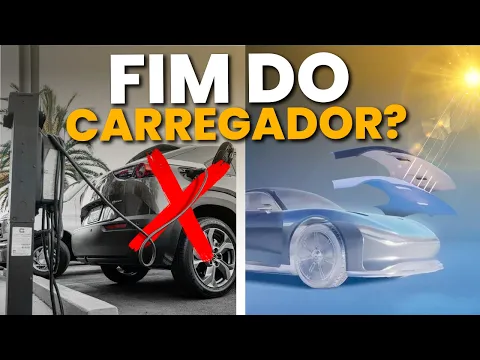
Mercedes-Benz is developing solar paint technology that can turn the bodies of electric cars into energy generators. The proposal, which uses an ultra-thin photovoltaic coating on the bodywork, promises to add up to 20,000 kilometers of range per year using only sunlight — without relying on plugs or external charging.
The innovation could represent a significant advancement in the electric mobility sector, especially in regions with high solar incidence. Unlike traditional rigid solar panels, the solar paint covers the entire car body with a 5-micrometer thick layer, weighing only 50 grams per square meter. The estimate is that this coating generates enough energy to meet a significant part of an average driver’s annual travel.
How Solar Paint Works on Vehicles
The technology developed by Mercedes-Benz applies photovoltaic nanoparticles directly to the car’s surface. This solar paint captures sunlight and converts it into electricity, which can be used to charge the car’s battery even while it is parked.
-
The Sol do Agreste Photovoltaic Complex begins operations in Pernambuco and accelerates the expansion of solar energy in Brazil, directly impacting the reduction of emissions and strengthening the sustainable energy matrix.
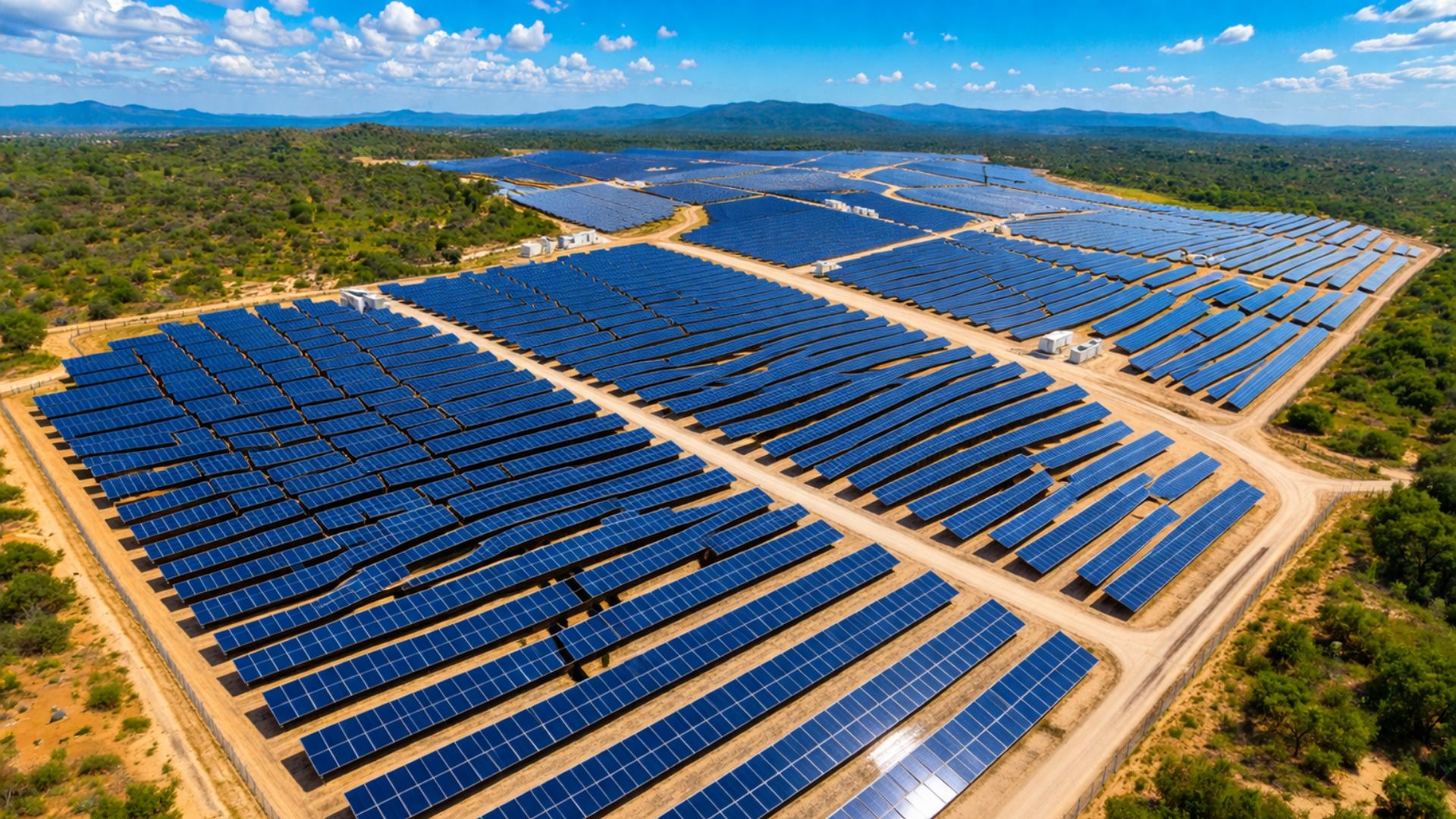
-
The Sol do Agreste Photovoltaic Complex begins operations in Pernambuco and accelerates the expansion of solar energy in Brazil, directly impacting the reduction of emissions and strengthening the sustainable energy matrix.
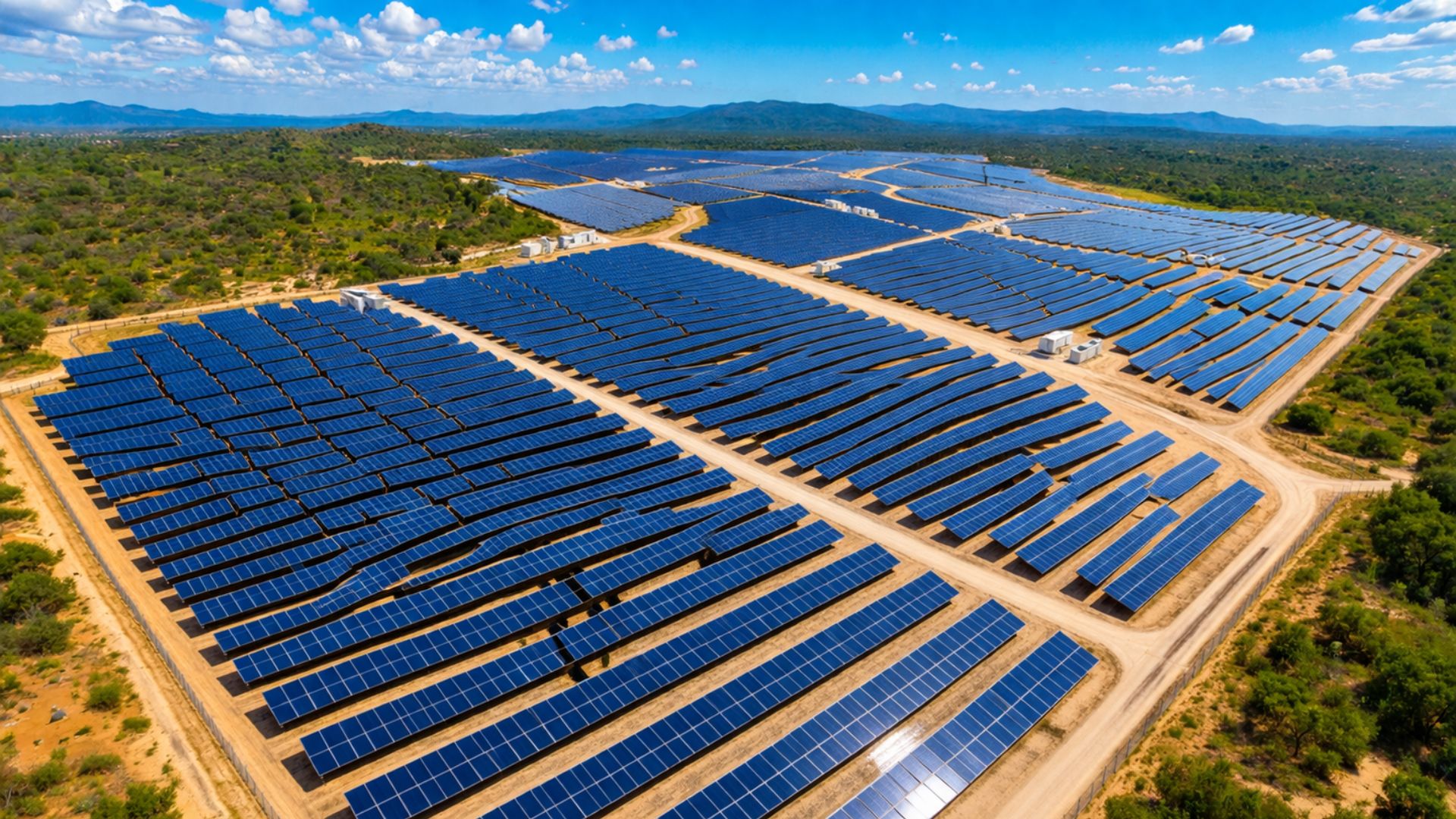
-
Roraima bets on the sun to escape high tariffs: Amid the energy crisis and price hikes, solar energy is growing in Roraima and transforming consumption in the North region.
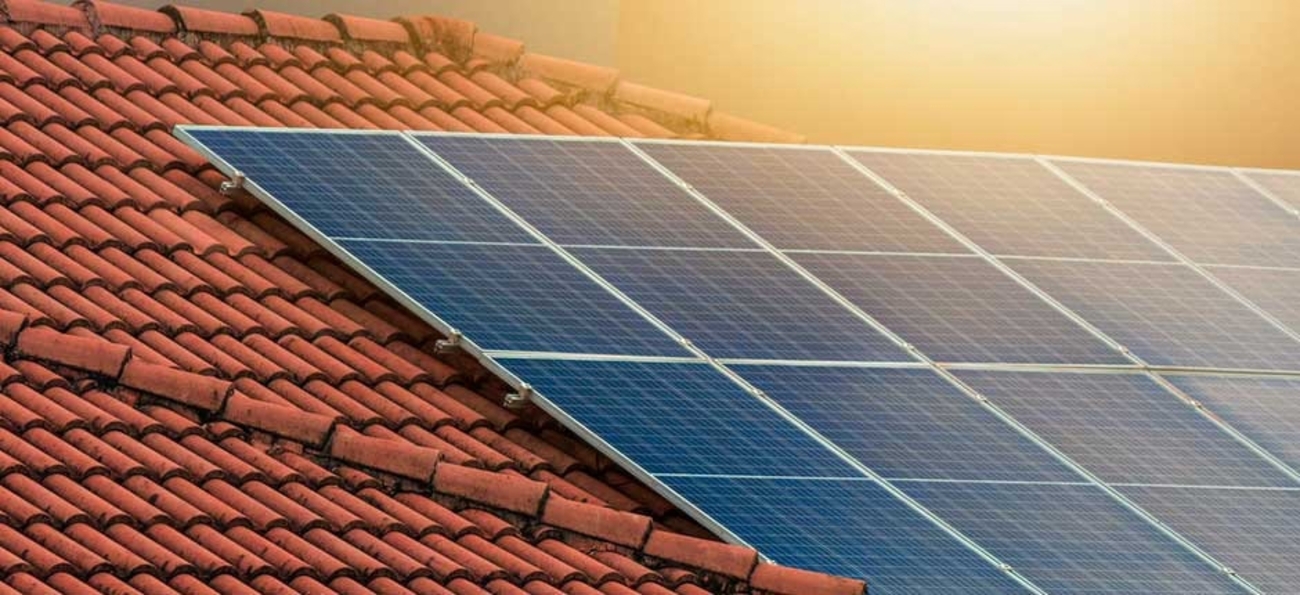
-
Copel boosts solar energy in Paraná and brings innovation to public schools, promoting savings on electricity bills, energy efficiency, and a direct impact on the quality of education.
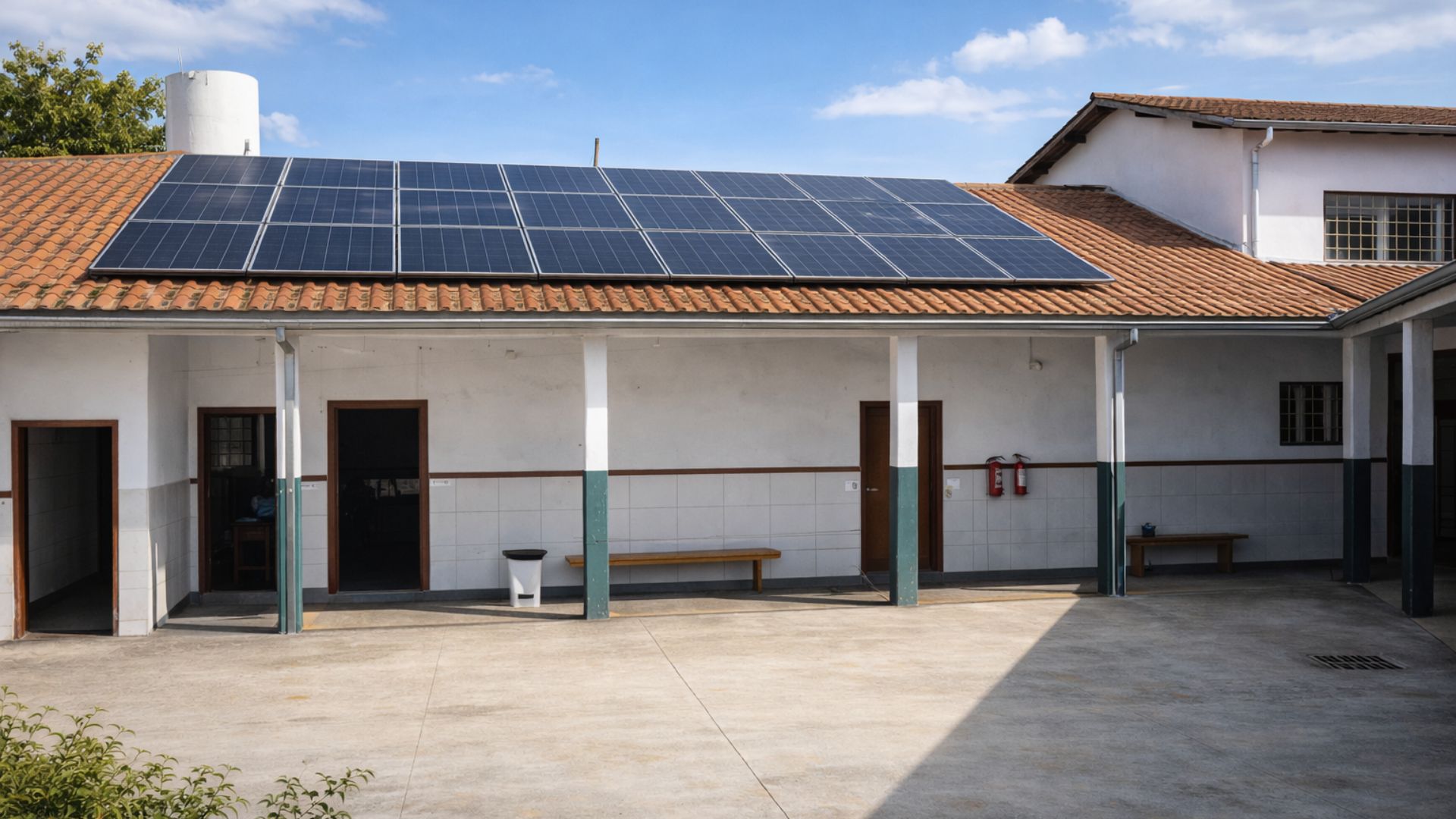

Each square meter painted acts as a functional solar panel. In tests conducted in Europe and the United States, a medium-sized car painted with this technology was able to generate enough electricity to cover annual distances of 12,000 kilometers in Germany and up to 20,000 kilometers in sunny cities like Los Angeles.

Efficiency and Limitations of Mercedes’ System
The energy efficiency of the solar paint is around 20%, a value comparable to that of conventional solar panels. However, factors such as latitude, climate, shading, and the car’s position directly influence energy generation.
In practice, this means that the technology is more effective in areas with high sunlight exposure throughout the year. In cloudy regions or those with higher urban density, the range gain may be lower. Nevertheless, Mercedes points out that the paint can meet a large part of daily urban commuting, which averages around 50 kilometers in many countries.
Environmental and Structural Advantages
One of the main advantages of solar paint is its lightness. Being an extremely thin layer, it does not add significant weight to the vehicle — an essential factor in maintaining the efficiency of electric cars. Additionally, the material does not use silicon, which reduces production costs and facilitates recycling.
Another advantage lies in its adaptation to vehicle design. The paint conforms to the curves and surfaces of the car without compromising aesthetics or aerodynamics, something that limits the use of traditional solar panels in commercial models.
Expectations for the Future of the Technology
Mercedes has not disclosed an exact date for the commercialization of the technology but states that the project is in an advanced stage of development. The goal is to incorporate solar paint into the brand’s electric models starting in 2040, after completing durability, resistance, and economic viability tests.
In the meantime, other automakers and startups are also exploring the use of solar energy in vehicles. Models like the Lightyear One and Stella Vita already use solar panels in specific areas of the bodywork. However, Mercedes’ approach differs by proposing full coverage with photovoltaic paint, which enhances the energy generation capacity.
Applications Beyond Vehicles
Although the initial focus is on the automotive sector, Mercedes is considering the possibility of applying solar paint to other surfaces, such as parking lot roofs, trains, and urban structures. The idea is to create more discreet, lightweight, and sustainable energy capture systems, reducing reliance on traditional sources.
The evolution of this technology may also boost the concept of “passive charging,” where the car automatically charges itself when exposed to the sun, reducing the demand for charging stations and offering more range to users.









Seja o primeiro a reagir!