





 Portuguese
  English
  Spanish
  4 min of reading
  1 comment


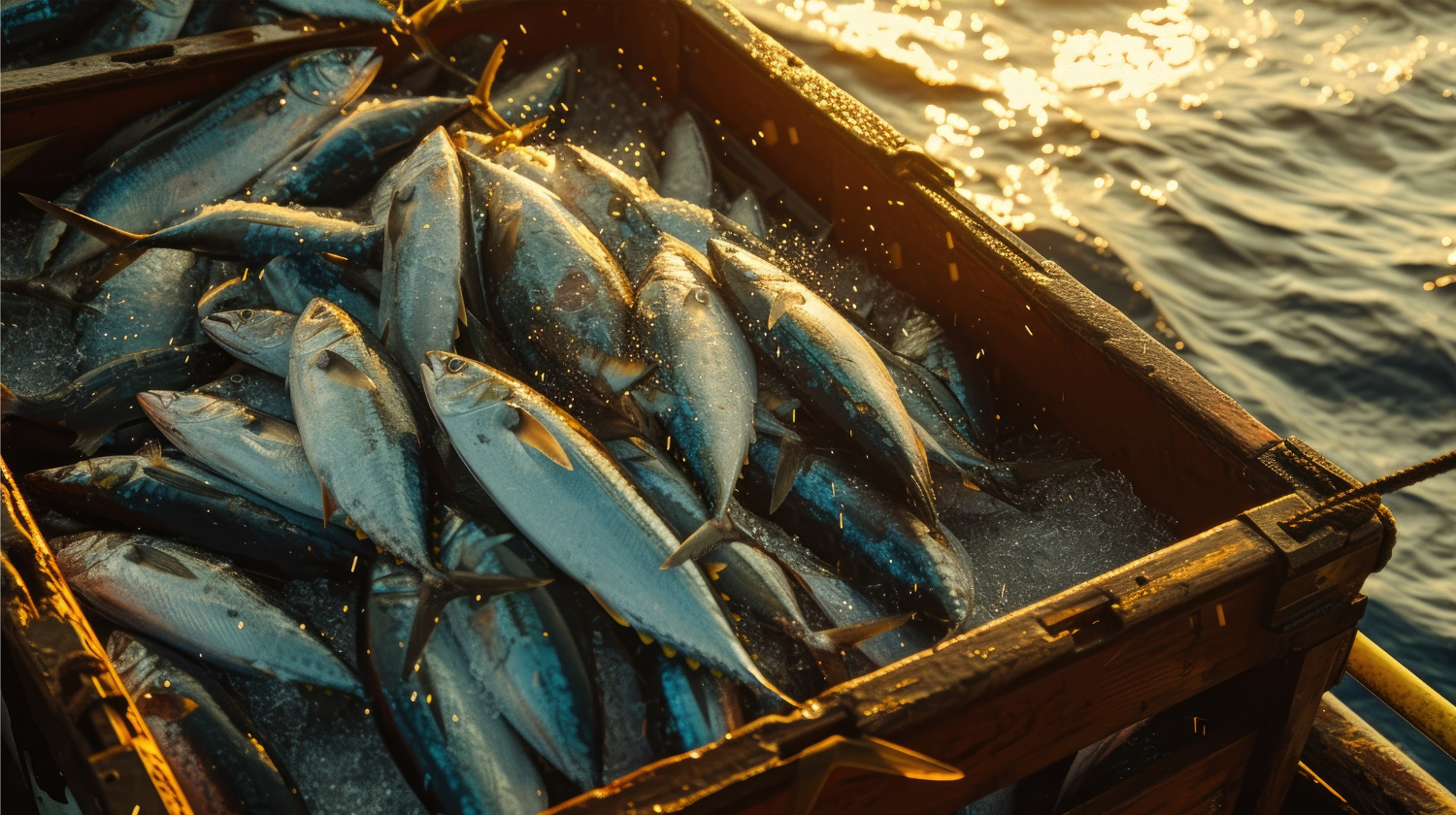


The Tariff Imposed by the United States Caused a Strong Retraction in Brazilian Aquaculture Exports, Aggravated by the Entry of Vietnamese Tilapia Fillets at Prices Below the National Market
The aquaculture in Brazil is going through one of the most challenging periods in the last decade, according to a report published.
In the third quarter of 2025, the sector suffered a significant 28% drop in export revenue, a direct reflection of the tariff imposed by the United States on Brazilian products.
Additionally, the entry of imported tilapia fillet from Vietnam at prices much lower than the national market raised an alert for the entire production chain.
-
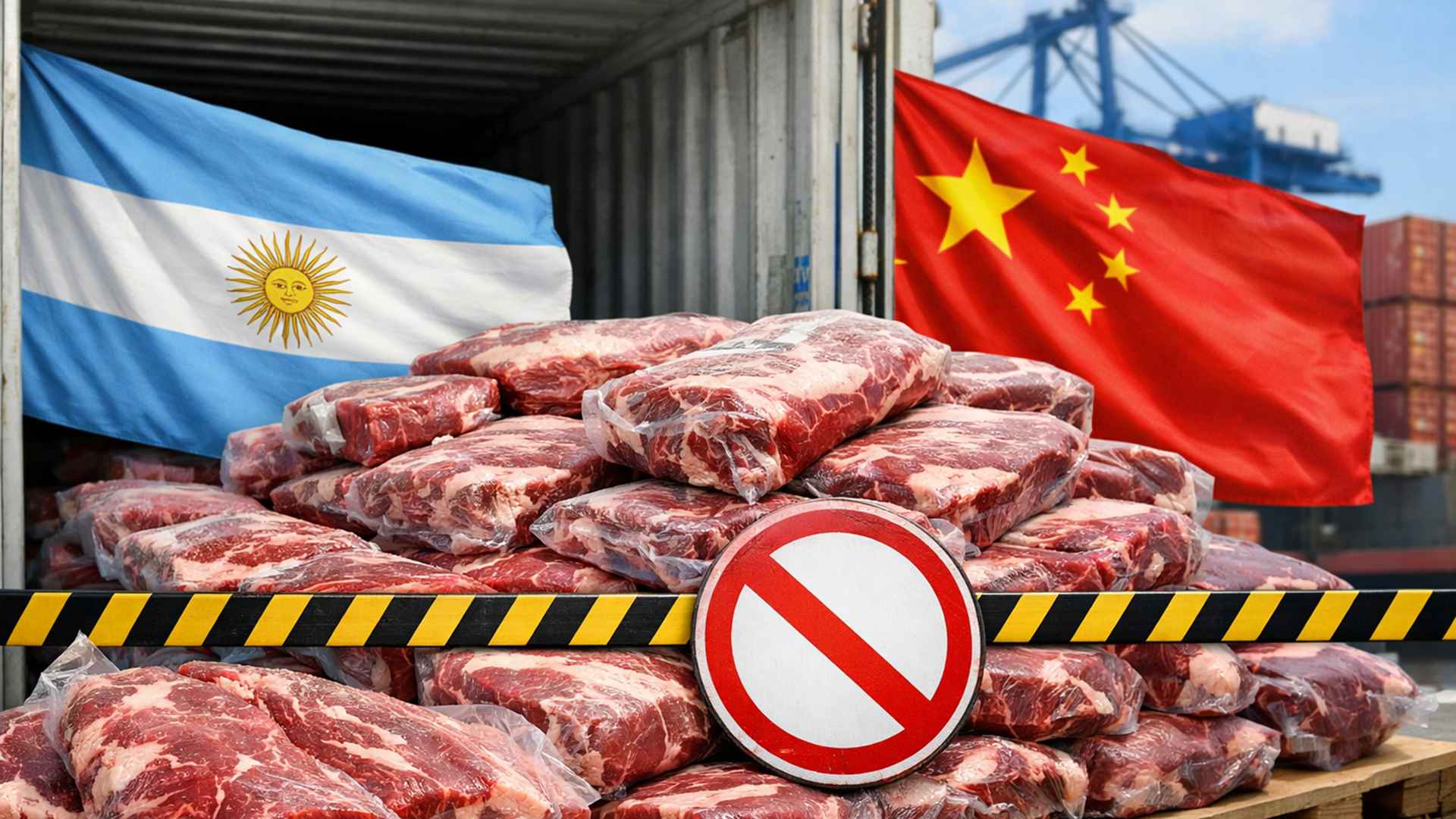
China banned the export of 22 tons of meat from Argentina.
-
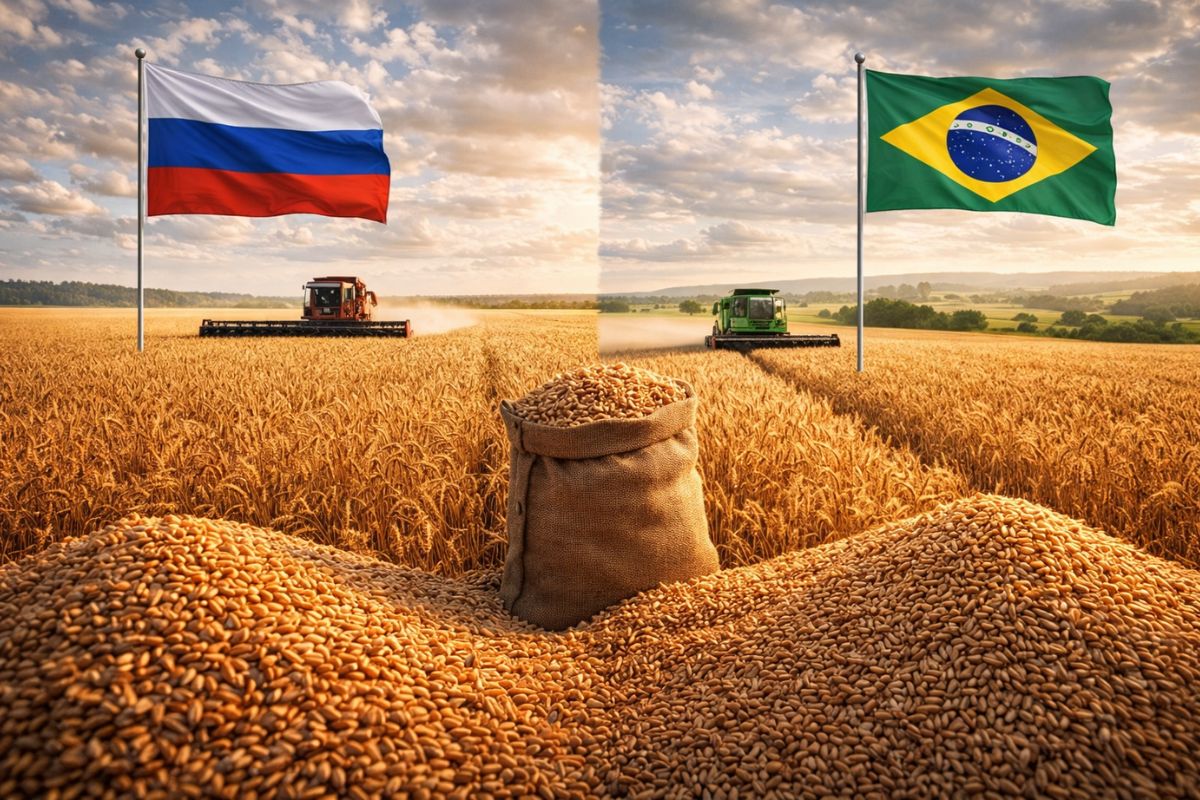
While Russia dominates the global wheat market, Brazil emerges as an unexpected competitor in the Cerrado, offering grain available in July and August when stocks in the Northern Hemisphere are at their lowest point of the year.
-
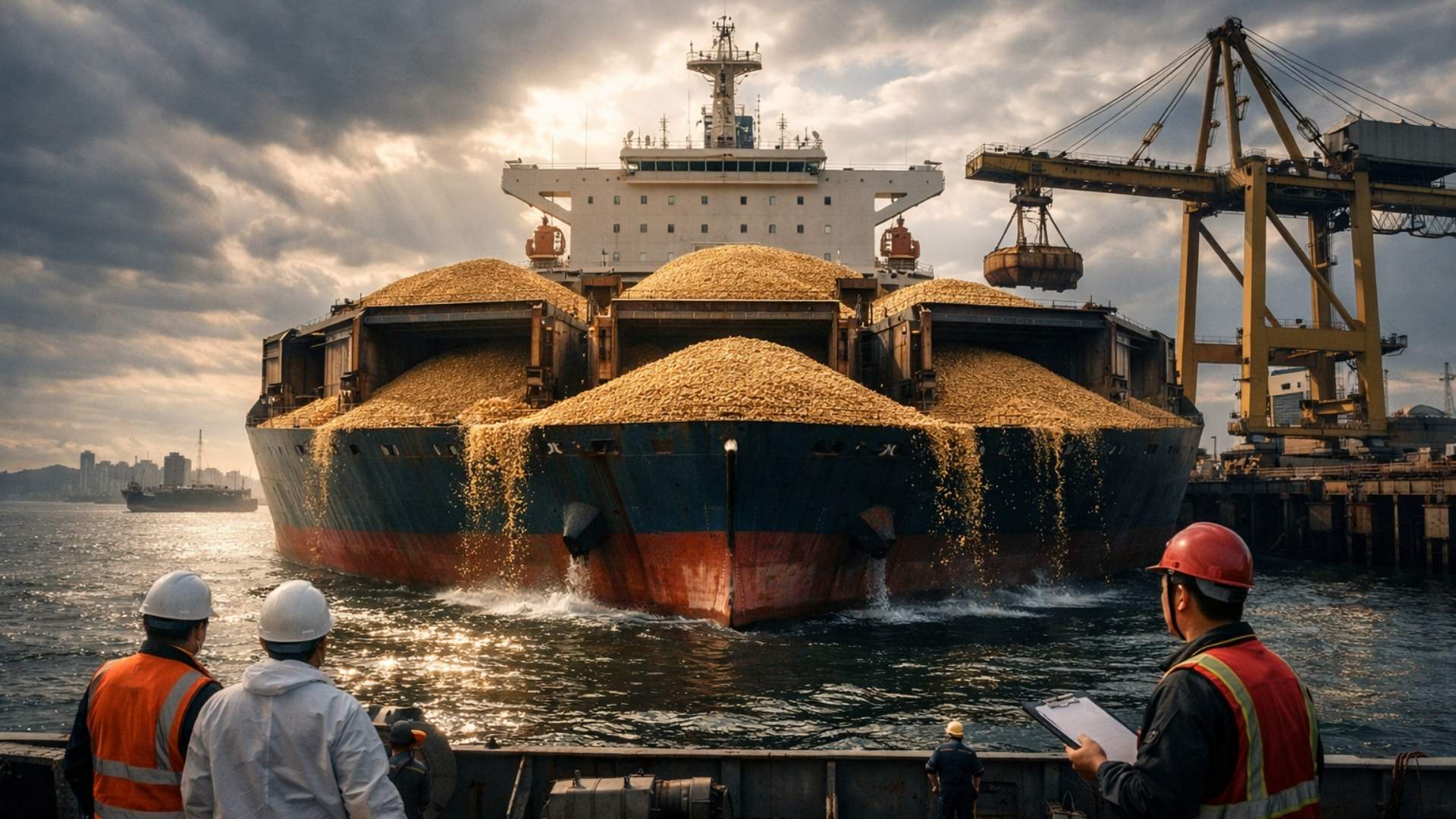
China returned almost 20 Brazilian ships with soybeans, but now everything could change: the country that buys 80% of the grain is considering relaxing regulations after impurities held up shipments of thousands of tons and caused million-dollar losses.
-
The drought of the cerrado was considered an enemy of wheat, but Brazilian scientists turned the lack of rain into a competitive advantage by creating a grain with quality that is already attracting the attention of international mills around the world.


The data was released in the most recent Aquaculture Foreign Trade Report, prepared by Embrapa Fisheries and Aquaculture, in partnership with the Brazilian Aquaculture Association (Peixe BR).
Between July and September, the country exported about 3,000 tons of aquaculture products, totaling US$ 13.3 million in revenue.
The monthly performance highlights the severity of the scenario: 1,390 tons in July, just over 800 in August, and less than 780 in September, with revenues of US$ 5.7 million, US$ 3.9 million, and US$ 3.7 million, respectively.
These numbers reveal the direct impact of the new tariffs, which increased from 10% to 50%, making Brazilian products less competitive in the North American market.
The US Tariff and Impact on Brazilian Tilapia Exports
The main destination for aquaculture in Brazil, the United States, recorded an even more intense retraction.
Tilapia sales, which account for 99% of Brazilian fish exports to the country, fell 32% in the third quarter of 2025 compared to the same period in 2024.
Revenue plummeted from US$ 16.2 million in the first quarter to US$ 15.5 million in the second and US$ 11.5 million in the third.
According to researcher Manoel Pedroza from Embrapa, some companies managed to maintain part of their sales through specific negotiations with American importers.
However, these solutions are temporary and difficult to sustain in the long term. If the tariffs remain, industry experts warn of the possibility of new reductions in exports in the last quarter of the year.
This scenario calls into question the Brazilian industry’s ability to react, which had been on an expansion trajectory until mid-2024.
The tariff imposed by Donald Trump, raising the rate to 50%, practically doubled the entry cost of Brazilian products into the US market, compromising the profitability of operations.
Importation of Tilapia Fillets from Vietnam Concerns Brazilian Producers
Another point of concern for aquaculture in Brazil is the increasing entry of Vietnamese tilapia fillet, which begins to take up space in the domestic market.
Between July and September, Brazil imported 48 tons of the product, generating US$ 195,000.
The FOB price of part of these imports was R$ 16.70 per kilogram, practically half the value charged for Brazilian fillet, which is around R$ 31.00 wholesale.
According to Pedroza, this difference represents a real risk to the sustainability of the national tilapia chain.
The cheaper foreign product could displace internal production and pressure the prices paid to Brazilian producers.
Although the imported volume is still small, the trend concerns sector associations, especially amid the retraction in exports.
The situation requires vigilance and coordinated actions between the government and representative entities to prevent the advancement of imports from causing permanent imbalances in the domestic market, already weakened by the adverse external scenario.
Prospects and Search for New Markets for Aquaculture in Brazil
Amid the declining export scenario, companies and entities linked to aquaculture in Brazil are seeking alternatives to mitigate the effects of the tariff.
One of the strategies is the opening of new international markets, although this task requires time and complex diplomatic negotiations.
Europe, for example, still has sanitary barriers that restrict the entry of Brazilian fish.
Thus, emerging markets in Asia and Latin America appear as possibilities, but with limitations regarding the volume absorbed.
In the meantime, the sector is mobilizing internally to strengthen competitiveness, reduce costs, and invest in cultivation and processing technology.
Even with the challenges, there is a consensus among experts that the potential of aquaculture in Brazil remains high.
Brazil has abundant water resources and cutting-edge technology but needs to overcome tariff and trade barriers to resume the sustainable growth of exports.








Vamos fazer o L ele formou o ministério da pesca, o pescador que fez o L da uma olhadinha se o dedo não tá lá .