





 Português
  Inglês
  Espanhol
  3 min de leitura
  0 comentários


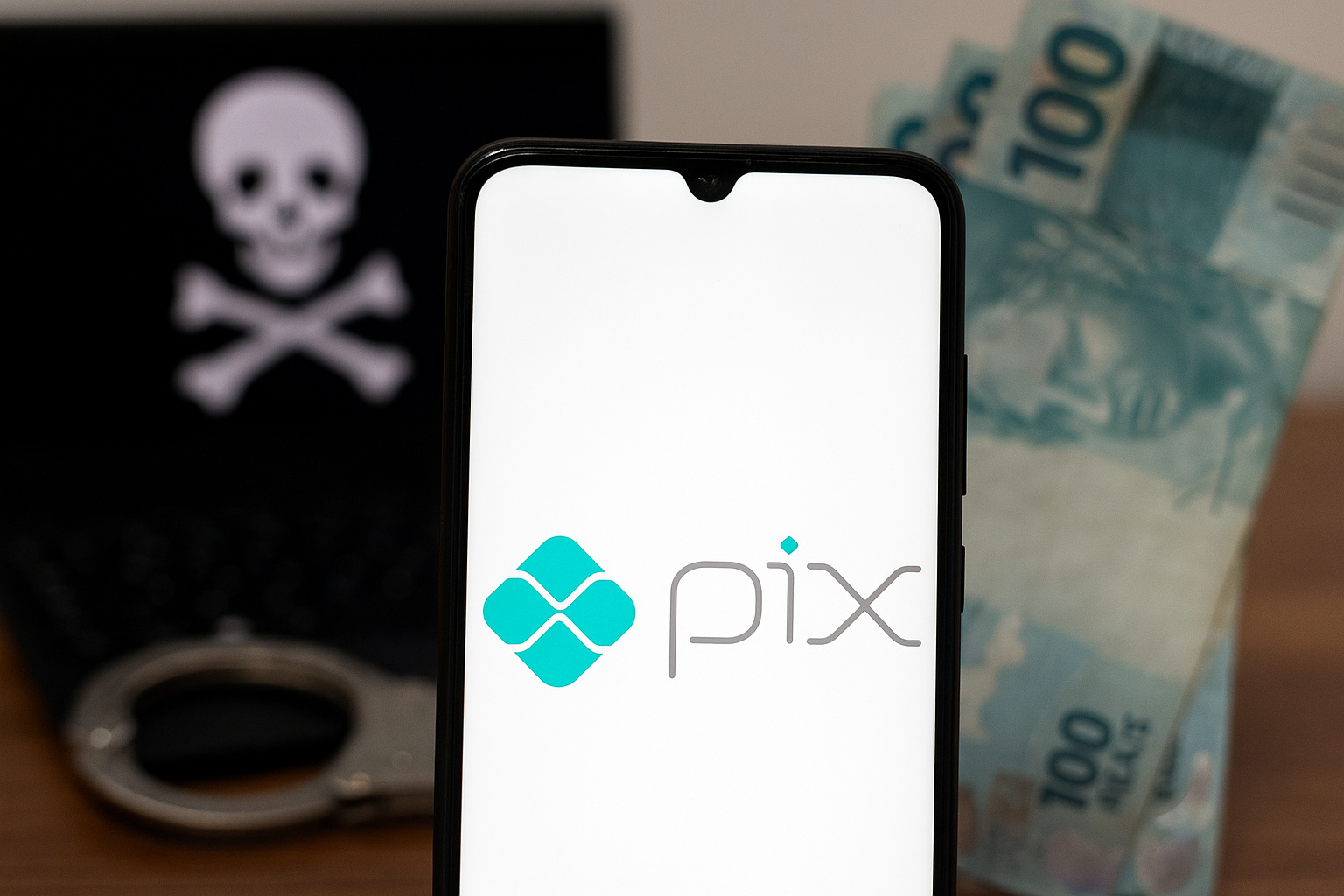
With MED 2.0, Pix Gains Advanced Tracking That Identifies Accounts Used in Frauds and Refunds Money More Quickly.
Pix Launches Feature That Tracks Scams and Promises to Refund Money More Quickly
On Sunday (23), Pix gained a new security feature capable of following the path of the money used in fraud and thus increasing the chances of refund for the victims.
The Central Bank released the new version of the Special Refund Mechanism (MED 2.0), which now allows identifying where the diverted funds were sent, who participated in the transaction, how the scam occurred, when the transfer was made, and why this tracking has become essential for the digital economy.
Furthermore, MED 2.0 emerges because many criminal groups empty the first account used in the scam within seconds. Thus, traditional refunds became difficult. However, now the system follows the entire trail of the transfer and recovers amounts even after the initial escape of the criminals.
-
Brazilian city gains industrial hub for 85 companies that is equivalent to 55 football fields.

-
Peugeot and Citroën factory in Argentina cuts production by half and opens a layoff program for more than 2,000 employees after Brazil drastically reduced purchases of Argentine vehicles.

-
A Brazilian city gains a factory worth R$ 300 million with the capacity to process 200 thousand tons of wheat per year, a mill of 660 tons/day, silos for 42 thousand tons, and an industrial area of 276 thousand m².

-
Havan will leave the shopping mall in Blumenau to inaugurate something that the chain has never done before: a megastore in half-timbered style in the Historic Center of the city, which is expected to be completed in May and change the landscape of local retail.


How the New Pix Feature Transforms Refunds in Cases of Fraud
MED 2.0 works like a detailed map of the accounts involved in the suspicious transaction. Thus, when the victim files a dispute, the Central Bank authorizes financial institutions to access the complete path of the money.
Currently, the regular MED only allows blocking the amount in the first account used in the scam. However, as highlighted by the BC, criminals almost always withdraw the money immediately, leaving the balance zeroed.
With the new feature, this limit no longer exists. Now, the system tracks all subsequent movements and identifies the accounts that received the funds after the fraud.
MED 2.0 Follows the Trail of Money and Involves All Banks in the Transaction
According to the Central Bank, MED 2.0 shares this trail with all involved banks. Thus, institutions can act together to block funds in different accounts.
Additionally, the refund process becomes faster. The BC states that the money can return to the victim in up to 11 days after the dispute.
This measure, therefore, increases traceability, improves Pix’s security, and helps deter new frauds.
What Does the Central Bank Say About the New Refund System
The Central Bank reiterated that it expects a direct impact on the reduction of scams with the new feature. In a statement, the institution informed:
“The BC expects that, with this measure, the identification of accounts used for frauds and the refund of resources will increase, discouraging frauds. The sharing of this information will also prevent the use of these accounts for new frauds.”
The statement emphasizes that the focus of MED 2.0 is not just to refund the money, but also to block the operation of suspicious accounts before new scams occur.
When Does MED 2.0 Become Mandatory for Banks
As of this Sunday (23), the new system is available for optional use by banks. Thus, each institution can decide when to activate MED 2.0.
However, its use will become mandatory on February 2, 2026. Therefore, all banks must follow the same security and tracking standards.
Pix Completes 5 Years and Already Dominates the Brazilian Economy
The new feature arrives at a time of strong expansion for Pix. The system turned five years old on the 16th and has already surpassed cash as the most used payment method in the country.
According to the BC, Pix has processed R$ 75.4 trillion since its launch — an amount equivalent to six times the Brazilian GDP. This data reinforces the economic impact of the tool and explains why the security of the system has become a priority.










-

Uma pessoa reagiu a isso.