





 English
  Francês
  Alemão
  Italiano
  Japonês
  Norueguês
  Portuguese
  Spanish
  4 min of reading
  0 comments


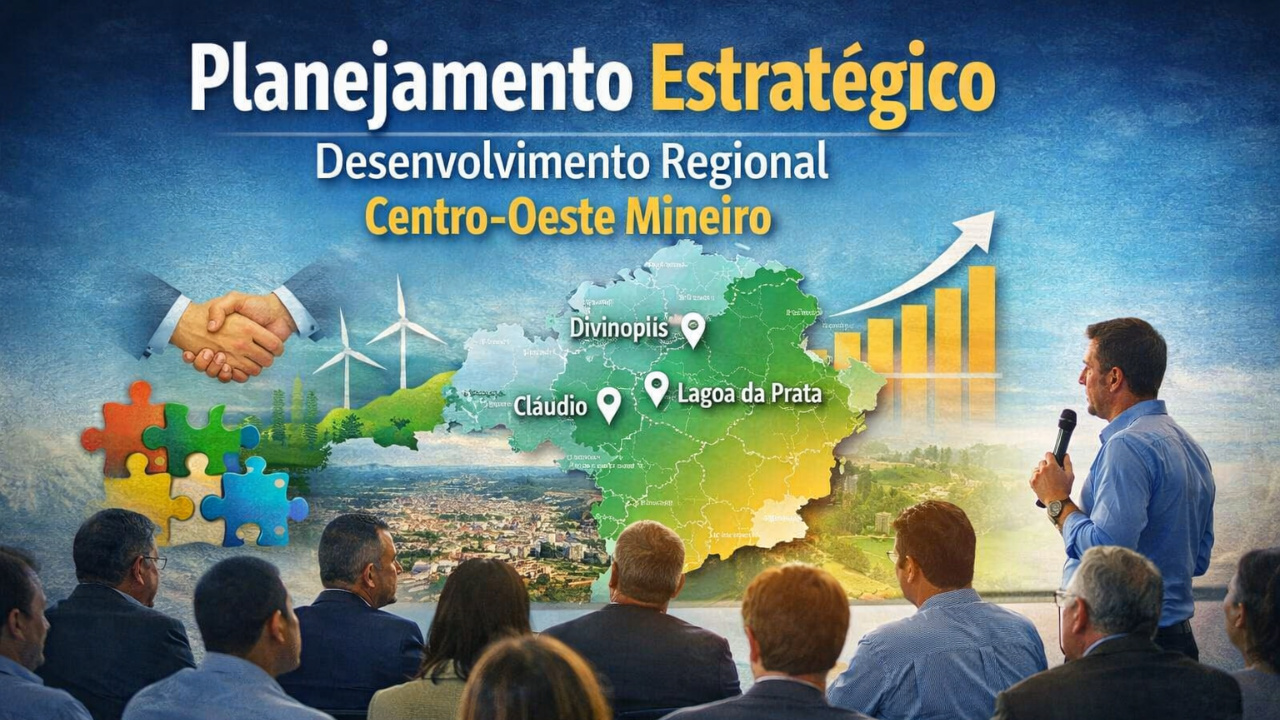
Leaders Validate Strategic Planning That Projects Economic Growth and Integrated Public Management by 2026.
The strategic planning for 2026 in the Central-West region of Minas Gerais has made another decisive advancement this week.
The Novo Oeste Agency gathered public, institutional, and business leaders on Tuesday (3) to validate goals, align objectives, and define regional priorities.
The meeting included representatives from municipalities such as Divinópolis, Cláudio, and Lagoa da Prata, as well as political authorities and institutional partners.
-
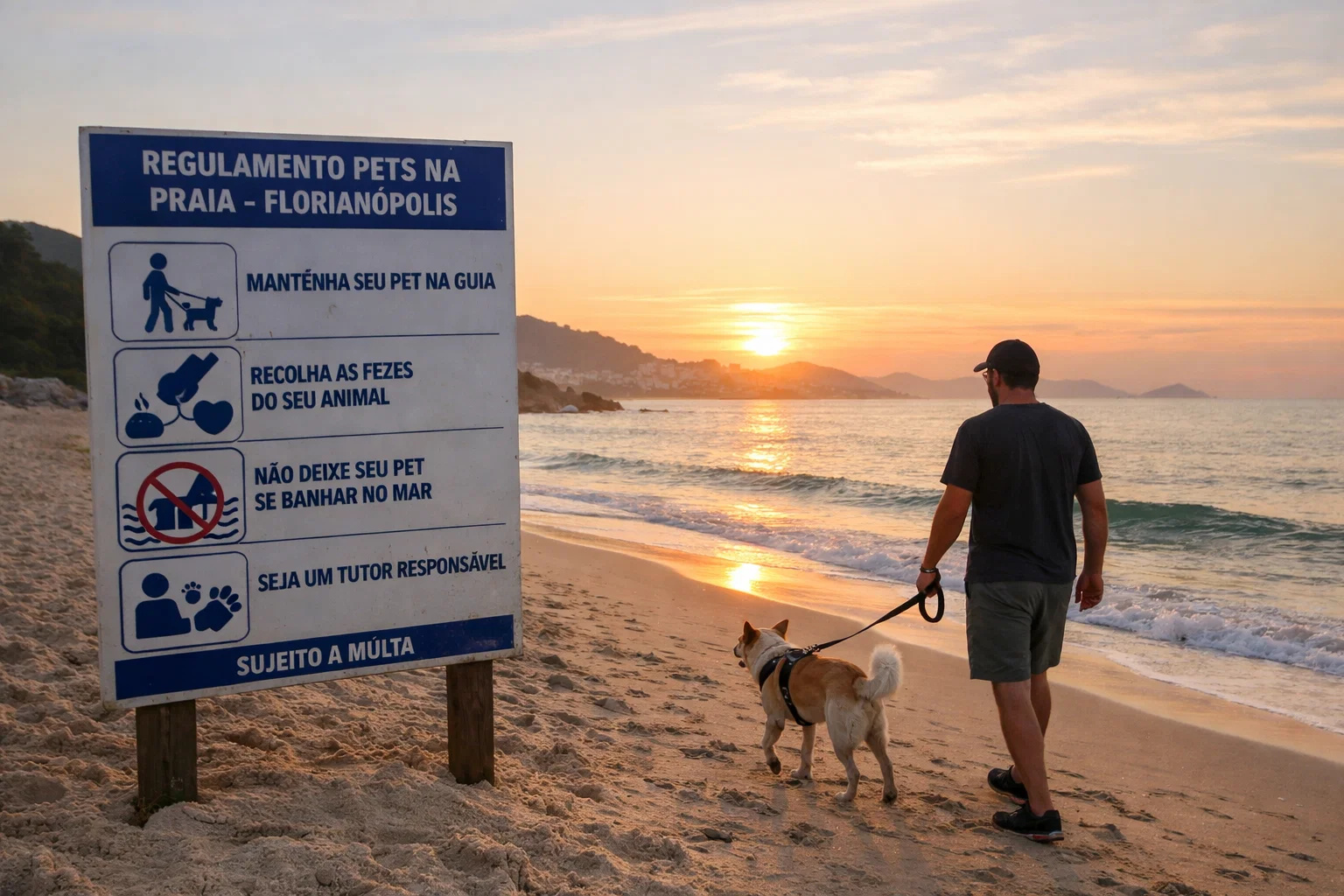
What Changed at Florianópolis Beaches? New Rule Surprises Pet Owners and Restricts Dogs on the Sand at Specific Times
-
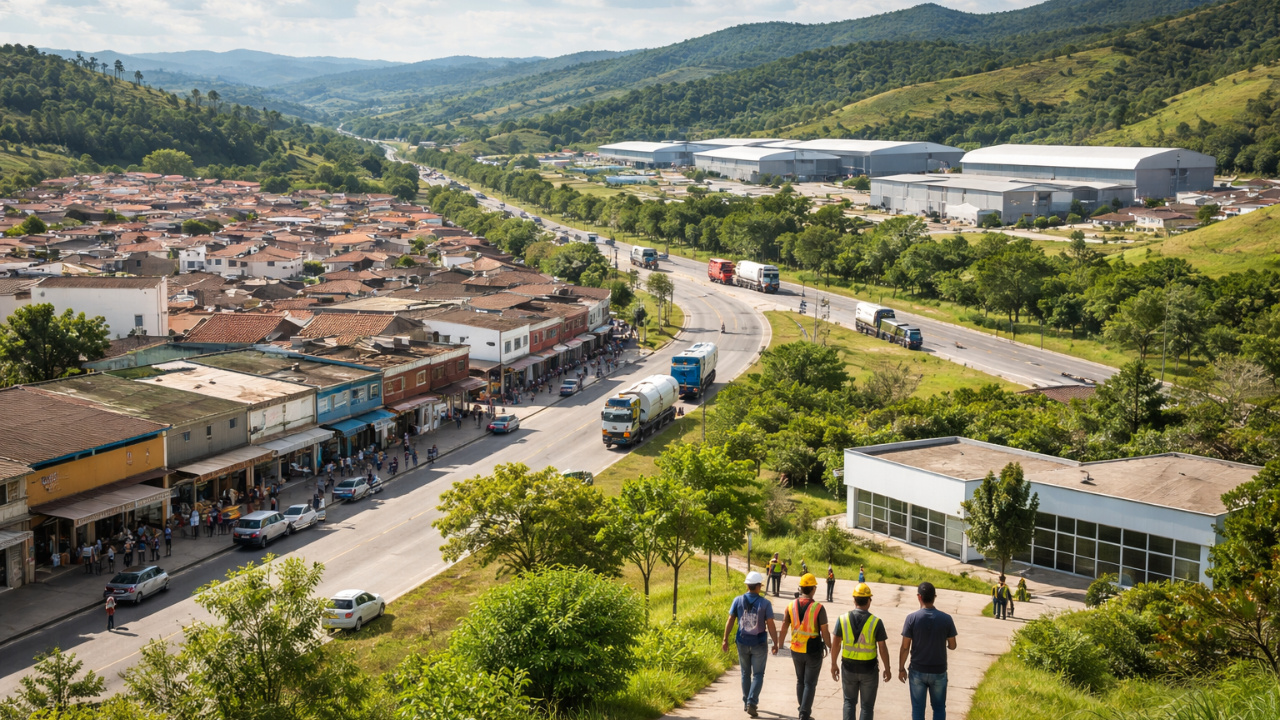
Economic Diversification Accelerates in Itatiaiuçu to Reduce Mining Dependence
-
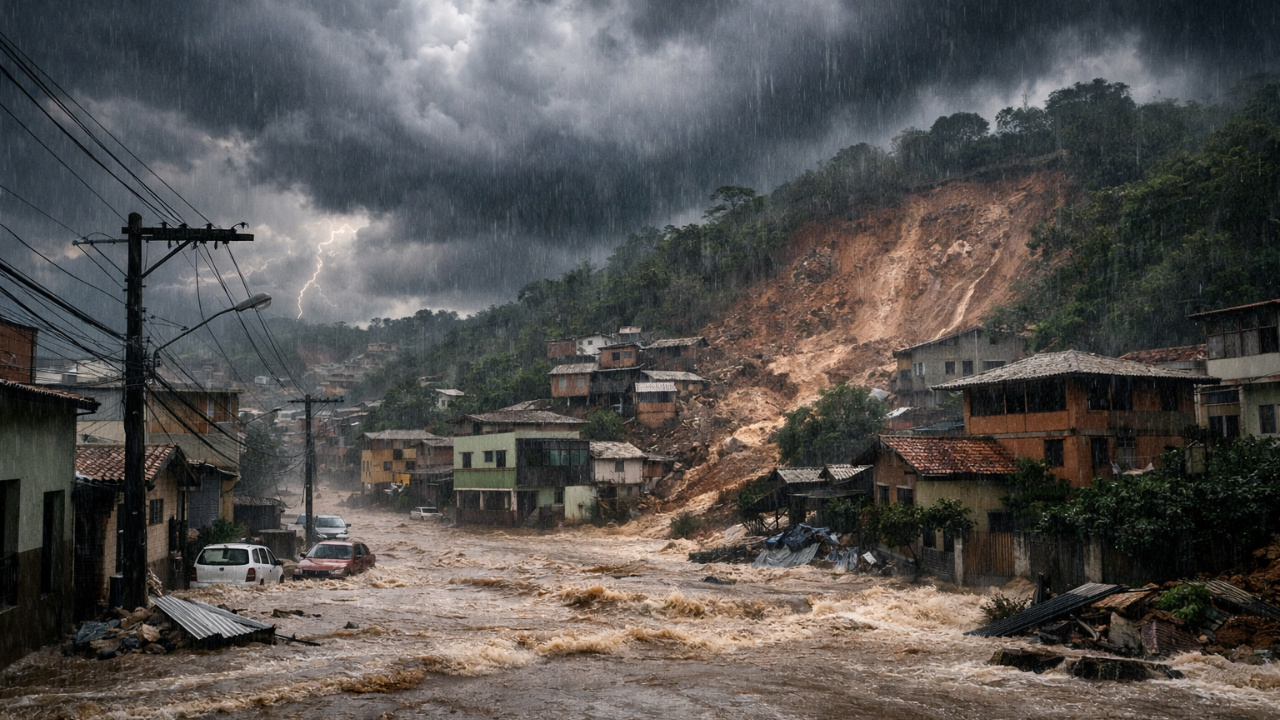
Extreme Rains: Cold Front, Supercell, and Atmospheric Trough Cause Tragedy in MG
-
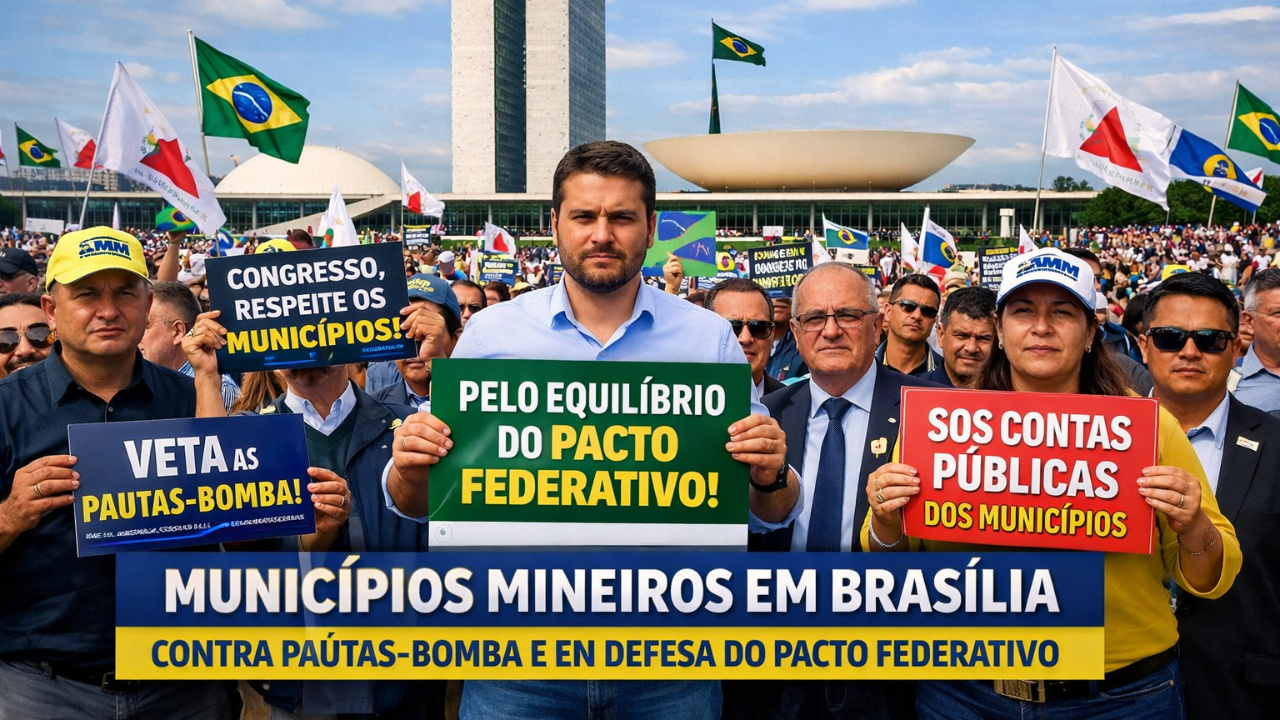
Minas Gerais Municipalities Press Congress Against Bombshell Bills and Warn of Risks to Public Finances
In practice, the initiative aimed to assess current scenarios, review already established guidelines, and strengthen joint actions.
The central focus was to enhance regional development through cooperation among cities, promoting administrative efficiency and sustainable growth throughout the territory.
Furthermore, the event established a space for technical and political dialogue, essential for improving public management and structuring integrated policies capable of generating long-term socioeconomic impacts.
Municipal Integration as a Core of Regional Development
Municipal integration was identified as one of the strategic pillars for advancing the established goals.
The simultaneous presence of mayors, vice-mayors, city council members, and municipal secretaries reinforced the proposal for collective construction.
This collaborative model allows common demands to be addressed in a consortial manner.
Thus, projects gain scale, reduce costs, and increase execution capacity, directly benefiting the population of the Central-West region of Minas Gerais.
The president of the Novo Oeste Agency, Léo Gabriel, emphasized the structural character of the meeting:
“With the participation of representatives from various cities in this debate, we can build sustainable and innovative solutions for the challenges and opportunities of our territory, always keeping a close eye on our collective commitment to the future of our region.”
According to him, the validation of the strategic planning signals institutional maturity and a long-term vision.
Strategic Planning as a Tool for Territorial Transformation
Present experts reinforced the technical role of planning as an instrument for socioeconomic transformation.
The business analyst of Sebrae Minas, Denis Magela, explained that the process allows for mapping progress and projecting the future:
“Planning helps us understand the direction the Novo Oeste will take in the coming years; it shows, beyond the positive outcomes that the Agency has already achieved, an expectation of development and growth for the region.”
In this sense, the strategic planning functions as a guide for investments, programs, and public policies, guiding decisions based on data and results already achieved.
Therefore, more than a formal document, it is an active tool for public management and regional governance.
Partnerships Strengthen Economy and Expand Opportunities
Municipal authorities also highlighted the institutional gains from regional cooperation.
The vice-mayor of Cláudio, Patrícia Alves, emphasized the strengthening of partnerships:
“It’s a joy to be part of this ecosystem, always seeking opportunities to further boost the economy of Cláudio.
Thus, this partnership between the Agency and the cities of the region will enhance us and, consequently, boost our economy.”
Meanwhile, the vice-mayor of Divinópolis, Janete Aparecida, highlighted the national recognition of the initiative:
“One of the most admirable things for us is being able to all gather in this space.
The Novo Oeste Agency is, without a doubt, one of the most valuable entities in the entire Central-West region of Minas Gerais, achieving goals that the population truly needs.”
The statements reinforce how municipal integration has a direct impact on regional development.
Public Procurement and Local Economy among the Priorities
Among the structuring projects of the strategic planning, the incentive for public procurement stood out.
The proposal aims to expand purchasing power through intermunicipal consortia, prioritizing local suppliers.
This way, financial resources remain in the cities, stimulating commerce, services, and job creation.
This mechanism strengthens regional production chains and enhances the efficiency of public management, while promoting economic inclusion.
Consortial Environmental Licensing Advances in the Region
Another relevant focus involves environmental licensing projects conducted in an integrated manner, with support from entities such as CIMMVI.
The consortial approach will allow greater agility in processes without compromising technical rigor.
Thus, economic growth occurs aligned with environmental sustainability—a strategic factor for the Central-West region of Minas Gerais.
The measure also reduces bureaucracy and standardizes procedures among municipalities, strengthening territorial governance.
Strategic Planning Projects an Integrated Future for 2026
Broadly speaking, the strategic planning consolidates a shared regional vision.
The proposal articulates government, institutions, and the productive sector around viable solutions for historical challenges.
Thus, the model reinforces that regional development depends on continuous cooperation, administrative innovation, and structuring projects.
By aligning priorities, strengthening municipal integration, and modernizing practices of public management, the Novo Oeste Agency positions the Central-West region of Minas Gerais on a sustainable growth trajectory until 2026—and beyond.
See more at: Novo Oeste Validates Strategic Planning for 2026









Seja o primeiro a reagir!