





 Portuguese
  English
  Spanish
  5 min of reading
  0 comments


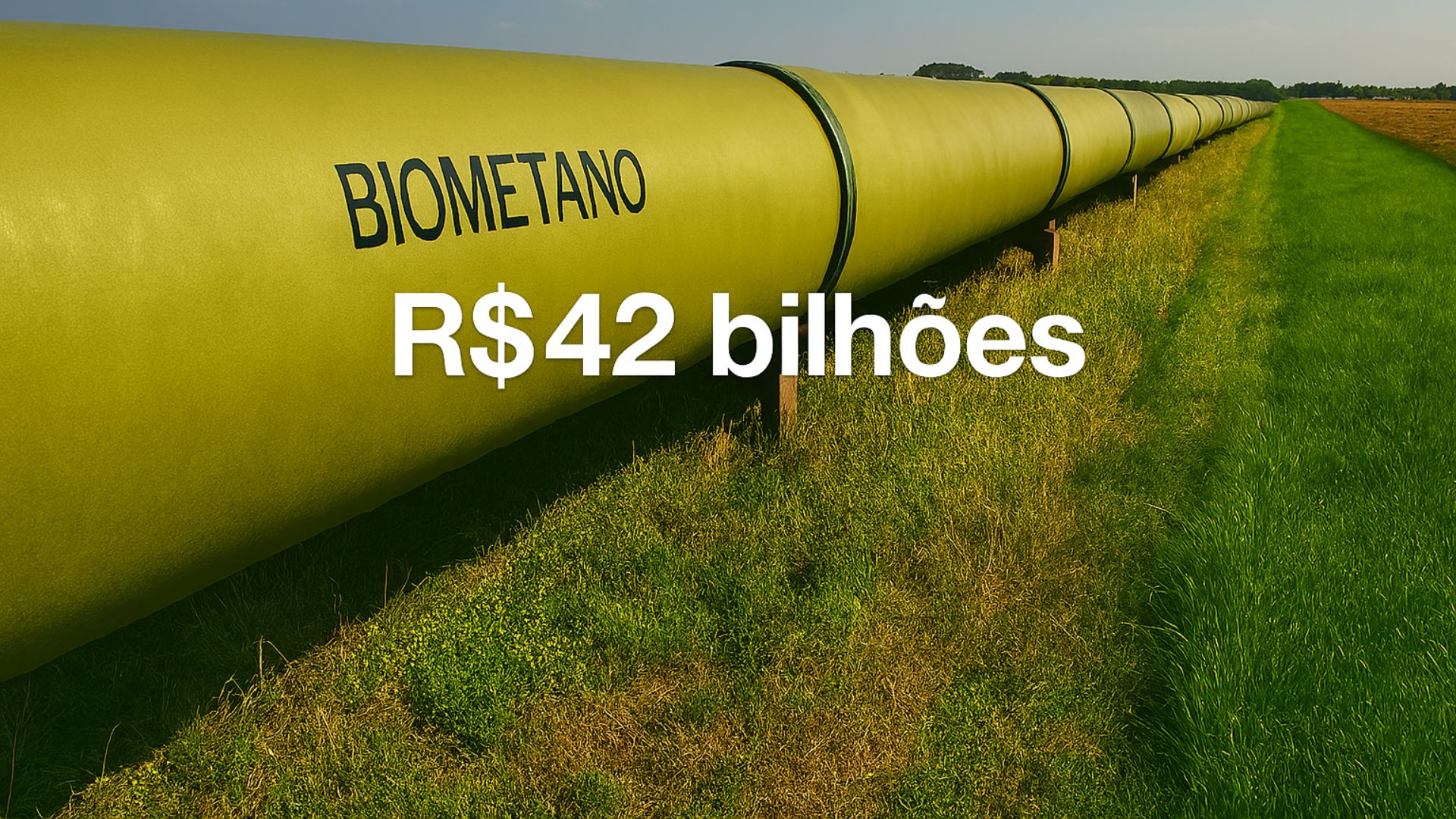
Brazil Advances in Energy Transition with New National Plan Projects, Which Total Billion-Dollar Investments in Biomethane, Pipelines, and Energy Hubs
Published in September 2025, the first Integrated National Plan for Natural Gas and Biomethane Infrastructures (PNIIGB), developed by the Energy Research Company (EPE), represents a milestone in Brazilian energy policy.
With an expected R$ 42 billion in investments, the plan encompasses 14 strategic projects aimed at expanding the pipeline network and energy hubs, as well as integrating biomethane into the national gas transportation system.
What Is the National Plan for Gas and Biomethane Infrastructures?
The Integrated National Plan for Natural Gas and Biomethane Infrastructures is a technical document that establishes guidelines for the coordinated development of the supply, demand, and infrastructure of these inputs in Brazil. Coordinated by Heloisa Borges, director of EPE, the plan is in public consultation until October 28, 2025.
-
The Economist states that Brazil has a “secret weapon” against expensive oil and highlights how the country can reduce economic impacts even in international scenarios of high volatility.

-
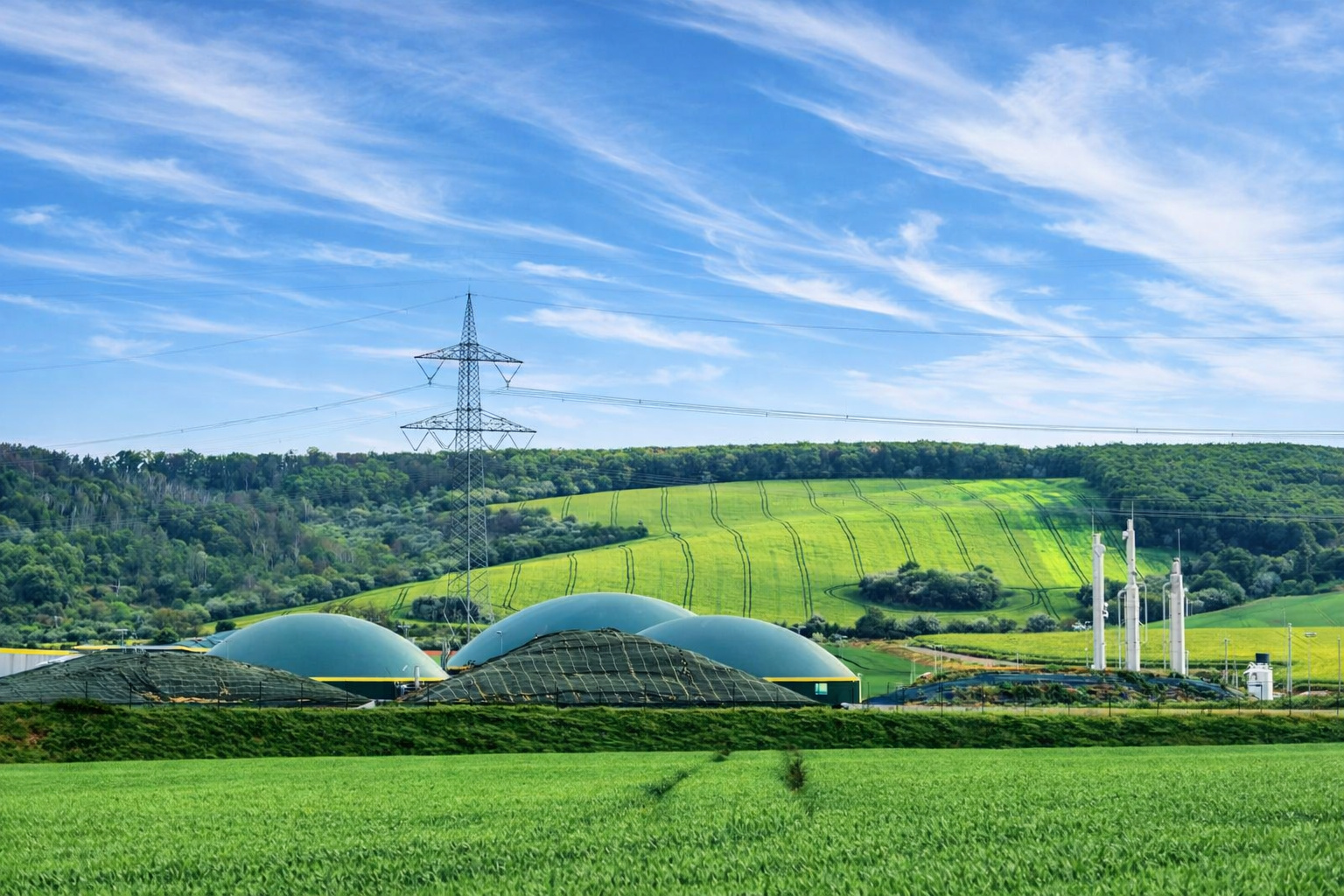
Brazil accelerates decarbonization in the South: International forum in Foz do Iguaçu gathers leaders to discuss the advancement of biomethane in the energy matrix and the potential of “caipira pre-salt.”
-
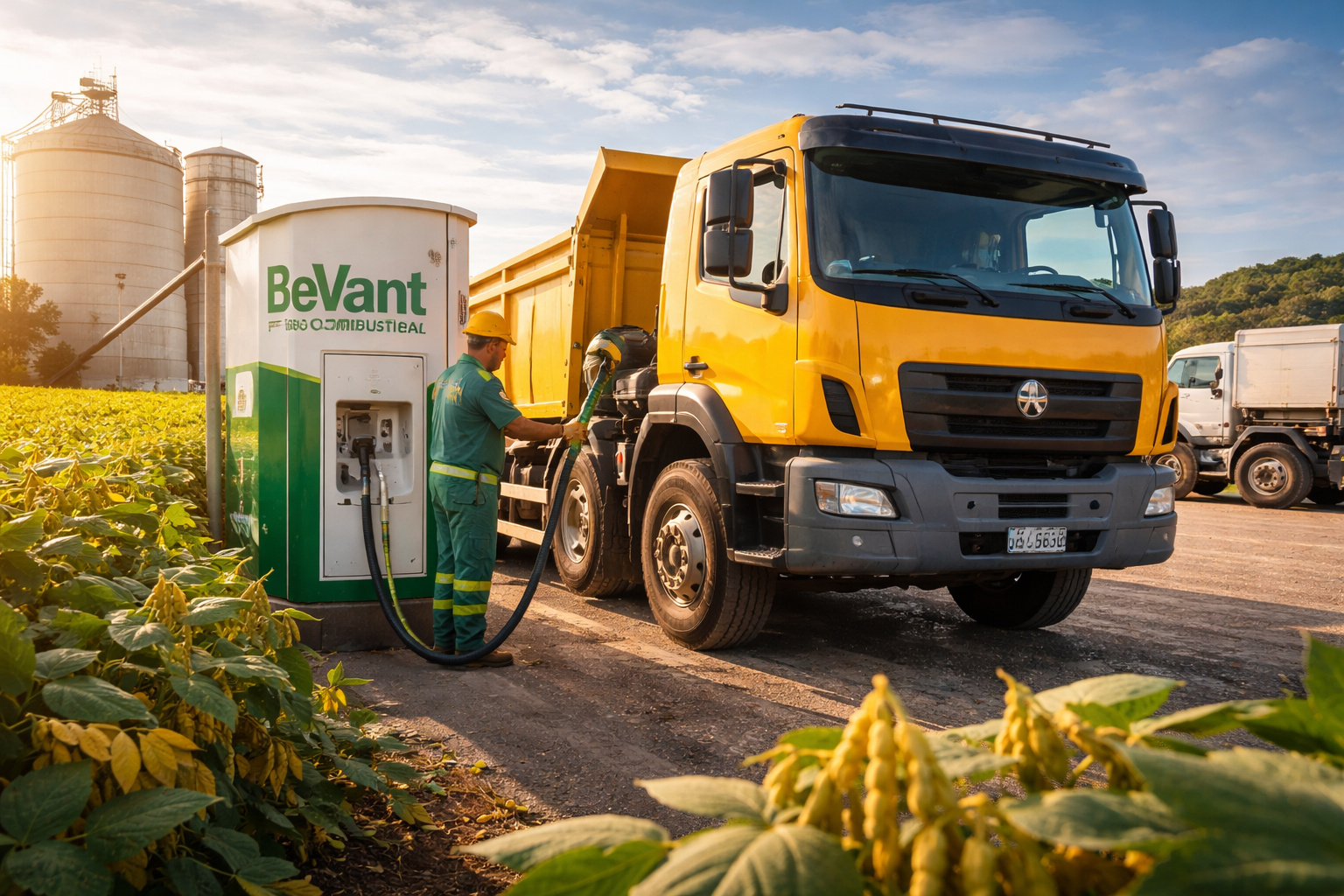
As diesel prices soar due to conflicts in the Middle East, a Brazilian city decides to test a little-known biofuel that promises to completely replace fossil fuel without adaptation and could change the future of energy in the country.
-
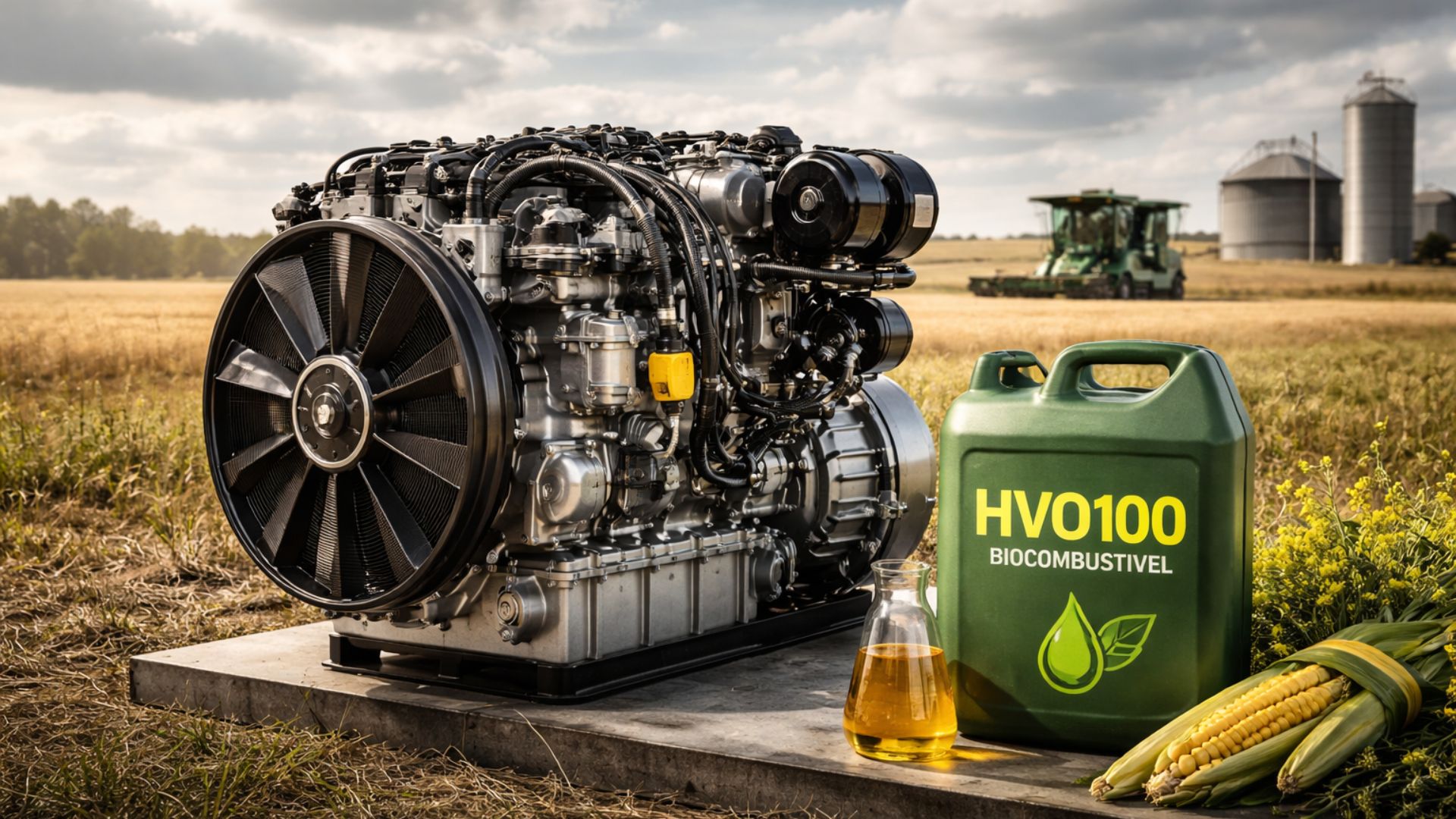
Innovation with biofuel engines transforms agribusiness by replacing diesel without the need for major adaptations, ensuring energy efficiency and helping to reduce dependence on oil.

There are 14 projects with the potential to transform the national energy sector. The proposal includes compression stations, natural gas processing units (UPGNs), transportation and drainage pipelines, as well as biomethane hubs. The total length of the pipelines exceeds 2,300 km.
Billion-Dollar Investments and Economic Impact
The plan anticipates investments exceeding R$ 42 billion, with expectations to generate over 90,000 jobs and an impact of R$ 20 billion on the Gross Domestic Product (GDP) during the implementation periods.
These numbers highlight the transformative potential of the plan. Besides strengthening energy infrastructure, the projects drive regional development and decarbonization of the energy matrix.
Strategic Projects: Pipelines and Energy Hubs in Focus
Brazil-Argentina Connection Pipeline
One of the most ambitious projects is the Brazil-Argentina Connection Pipeline, which aims to utilize the shale gas produced in the neighboring country — the second-largest reserve in the world. The pipeline will have:
- 24 inches in diameter
- 593 km in length
- Transport capacity of 15 million m³/day
- Project pressure of 75 kgf/cm²
- Estimated investment of R$ 8.9 billion
This project strengthens regional energy integration and enhances national supply security.
Pre-Salt South Corridor of NTS
Another highlight is the Pre-Salt South Corridor, which foresees:
- Duplication of the GASJAP and GASCAR pipelines
- Expansion of three compression stations
- Construction of a new station in Piracaia (SP)
- Creation of the GASDUT pipeline with a length of 294.5 km
- Investment of R$ 7.7 billion
The proposal improves the drainage capacity of pre-salt gas, optimizing the use of natural resources.
Drainage of the Bacalhau and Aram Fields
In the Santos Basin, the plan contemplates the drainage and processing of gas from the Bacalhau and Aram fields to Cubatão (SP). Without adequate infrastructure, part of the gas would need to be reinjected, reducing its energy value.
- 360 km pipeline
- Investment of R$ 5 billion
This project prevents waste and maximizes the economic return of associated natural gas.
Biomethane as a Vector of Sustainability
The plan also proposes alternatives to connect biomethane hubs to the national transportation network. The idea is to integrate production hubs into the system, enabling consumers to access the renewable input.
In this first edition, two projects were included:
- São Carlos (SP)
- Porecatu (PR), connected to the system by pipeline to Bilac (SP)
Biomethane is a key component in Brazil’s energy transition. By enabling its distribution, the plan contributes to the decarbonization of industrial energy portfolios.
Moreover, the use of biomethane reduces greenhouse gas emissions, promotes the reuse of organic waste, and strengthens the circular economy.
Infrastructure and Logistics: Technical and Regulatory Challenges
The execution of the projects demands robust technical solutions. Among the main challenges are:
- Environmental licensing
- Economic feasibility
- Integration with existing systems
- Public selection of the most advantageous projects
The National Agency of Petroleum, Natural Gas and Biofuels (ANP) will be responsible for the next stages, including granting authorizations through a public selection process.
Regulatory governance will be essential to ensure transparency and efficiency in the implementation of the projects.
Expansion of Pipelines and Energy Hubs: Regional Opportunities
The expansion of gas and biomethane infrastructure opens opportunities for various regions of the country. States like São Paulo, Paraná, Rio de Janeiro, and Espírito Santo are among the most benefited.
The interiorization of the pipeline network promotes energy inclusion and local development. Previously isolated municipalities now have access to cleaner and more competitive energy sources.
Furthermore, the creation of energy hubs stimulates the installation of industries, reduces logistical costs, and attracts new private investments.
Economic and Environmental Benefits of the National Plan
The implementation of the National Plan will bring direct and indirect benefits to Brazil:
| Benefit | Details |
| Job Creation | Over 90,000 positions during the implementation of the projects |
| Infrastructure Expansion | More than 2,300 km of new pipelines and energy hubs |
| GDP Growth | Impact exceeding R$ 20 billion on the national economy |
| Energy Security | Diversification of supply and reduction of logistical bottlenecks |
| Sustainability | Integration of biomethane and encouragement of industrial decarbonization |
These results reinforce the importance of well-structured public policies aligned with the long-term objectives of the energy sector.


The Strategic Role of the National Plan for Brazil’s Energy Future
The National Plan for Gas and Biomethane represents a strategic turning point in how Brazil plans and executes its energy policy. By integrating biomethane and expanding pipelines and energy hubs, the country strengthens its competitiveness, reduces vulnerabilities, and moves towards a cleaner and more efficient energy matrix.
The public consultation open until October 2025 is an opportunity for society to contribute to this process. Participating in this debate is essential to ensure that the projects meet the real needs of the population and the productive sector.
With robust investments, a long-term vision, and a focus on sustainability, the plan has the potential to transform Brazil into a global reference in integrated energy infrastructure.









Seja o primeiro a reagir!