





 English
  Francês
  Alemão
  Italiano
  Japonês
  Norueguês
  Portuguese
  Spanish
  4 min of reading


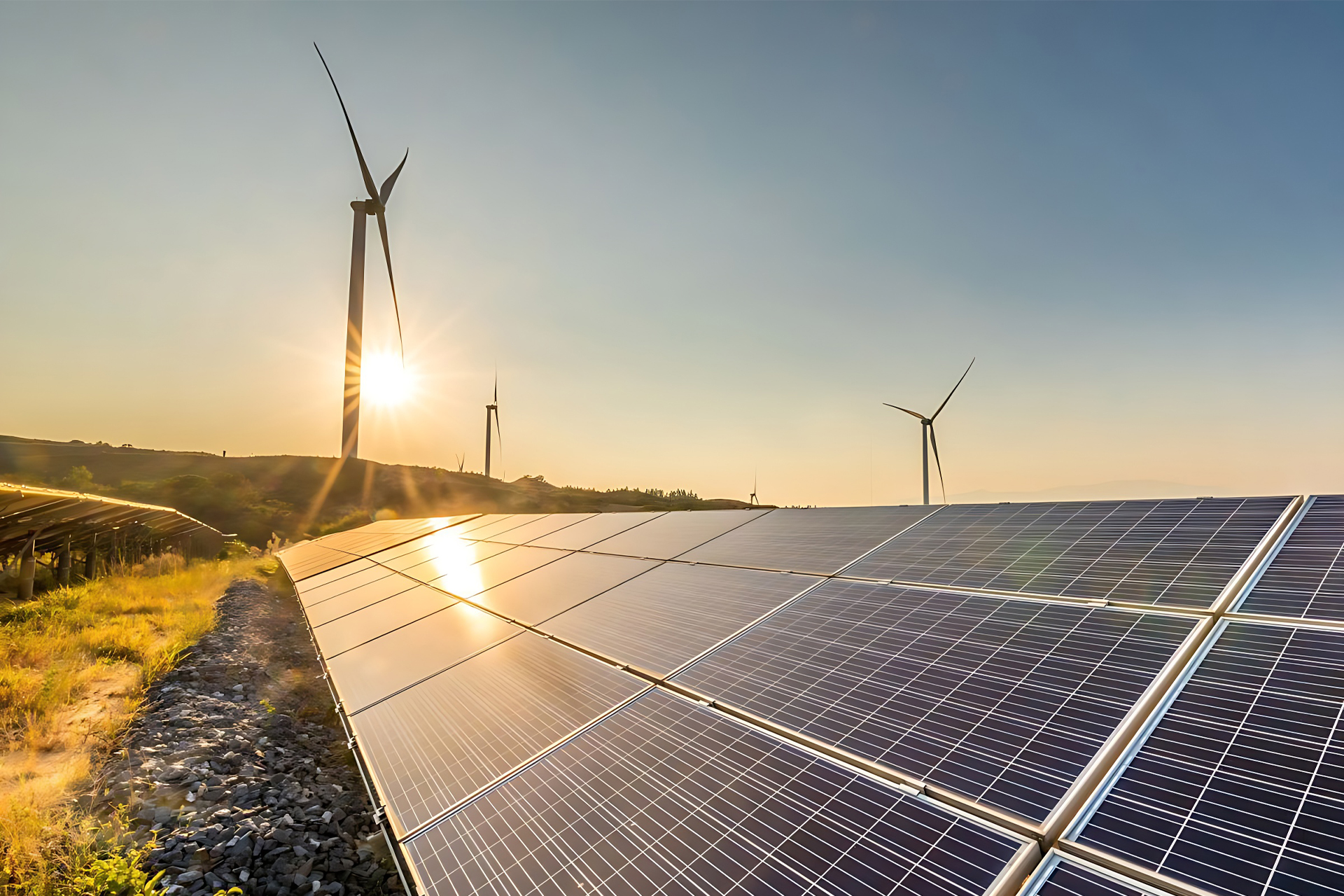
Brazil Drives Expansion of Renewable Energies with Record Investment and Inauguration of Complex in Paraíba.
In 2023 alone, the federal government intends to spend a total of R$ 50 billion on various forms of renewable energies. The majority of the investment will come from the production of wind and solar energy, and the development of renewable energy sources. After the completion of the investment plan, Brazil is expected to have a 1% increase in the generation of renewable energy relative to the total energy produced in the country, rising from the current 85% to 86% of the total energy generated.
The expansion of the transmission system, which will be executed by the National Electric Energy Agency (Aneel), will utilize the resources that will be employed in the expansion. The construction of approximately 14,000 kilometers of new transmission lines is anticipated, representing an 8% increase in the total length of lines in the country, along with thirteen new substations.
Most of this investment will be made in the Northeast with the aim of harnessing the region’s capacity to generate renewable energies (wind and solar) and sell the excess production from the region to customers in the Southeast and Midwest.
-
Rio Grande do Sul accelerates energy transition: State invests in renewable technologies and consolidates decarbonization strategies and pathways to attract billions in new industrial investments.

-
With 160,000 m² of collectors, an area larger than 20 football fields, Silkeborg, in Denmark, hosts a solar thermal plant that heats 19,500 homes and could become the largest solar heating plant in the world.

-
A study reveals the expansion of renewable energy procurement in Brazil and shows how companies are taking advantage of opportunities to reduce expenses, ensure energy efficiency, and strengthen strategic environmental commitments.

-
Mato Grosso do Sul excels in the sugar-energy sector: the state reaches a milestone of 22 operating mills and accelerates the production of clean energy in MS with a focus on sustainability.


This year, there need to be two separate auctions. Winning projects will be required to meet their contractual obligations to execute the works within a period that can range from 36 to 72 months, depending on the difficulty of the project, as well as the obligation to keep the operation running for a period of 30 years.
Energy Generation Capacity of Brazil
Currently, the energy generation capacity of the electrical system in Brazil is 211 gigawatts (GW). This sum takes into account all the available accumulated capacity for energy production in Brazil. In fact, it all comes down to the amount of energy the nation is capable of producing.
Inauguration of the Renewable Complex in Paraíba
The Neoenergia Renewable Complex was officially inaugurated in Paraíba in March, and President Luiz Inácio Lula da Silva (PT) was there to participate in the festivities. The construction of the park began in 2019 and opened to the public for business in early 2022. The occasion marked the start of solar and wind parks operating within the complex, making it a pioneer in the country in terms of this form of combined energy production.
Capacity and Impact of the Complex
The complex consists of more than 15 wind parks, 136 wind turbines (electric generators incorporated in the axis of a windmill) and has an installed capacity of 621 megawatts of electricity, of which 471 megawatts are derived from wind sources and 150 are derived from solar sources. The energy produced is sufficient to supply the lighting for an average of over one million households. It is projected to be capable of meeting the demand of a state like Sergipe, even considering only residential load.
According to the ministry, these 621 megawatts (MW) of installed capacity could represent an estimated electricity generation of 2,030 gigawatt-hours (GWh) per year, which represents approximately 60% of the electricity generation in Paraíba in 2021 and a value higher than the combined generation of the states of Acre and Roraima and the Federal District in the same year.
Environmental and Social Benefits
The government states that, in addition to socially improving the area, the complex will be a decarbonization agent for the country, with an expected reduction of 125.5 thousand tons of carbon dioxide released into the atmosphere each year. This adds to the government’s assertion that the complex would contribute to the social development of the region. The national goal is to reduce carbon emissions by fifty percent by the year 2030.
Petrobras and the Energy Transition
The executive board of Petrobras approved the establishment of the Directorate of Energy Transition and Renewable Energies on Thursday (06) of the previous week. There is still no deadline for the corporation’s board of directors to vote on the organizational adjustment plan that includes the measure. However, the proposal requires its approval.
The new directorate will be responsible for decarbonization activities, climate change, new technologies, and sustainability, and will also embrace commercial natural gas projects. Mauricio Tolmasquim, a production engineer and professor at the Federal University of Rio de Janeiro (UFRJ), will be in charge of the region. Tolmasquim was also involved in the most recent change that occurred among the administrations.
Economic Impact of the Energy Transition
According to research published by the natural resources consultancy Wood Mackenzie last year, the transition to cleaner forms of energy, necessary to slow the pace of rising temperatures, could reduce global Gross Domestic Product (GDP) by 2% by the year 2050, although the loss could be recovered by the turn of the century.
According to the report titled “No Pain, No Gain: The Economic Consequences of Accelerating the Energy Transition”, the transition is likely to result in job loss and tax revenue loss in fossil fuel production. While investments in technologies such as solar energy, wind farms, and advanced batteries create jobs, the transition is likely to also cause job losses in fossil fuel production.








Seja o primeiro a reagir!