





 Portuguese
  English
  Spanish
  4 min of reading
  0 comments


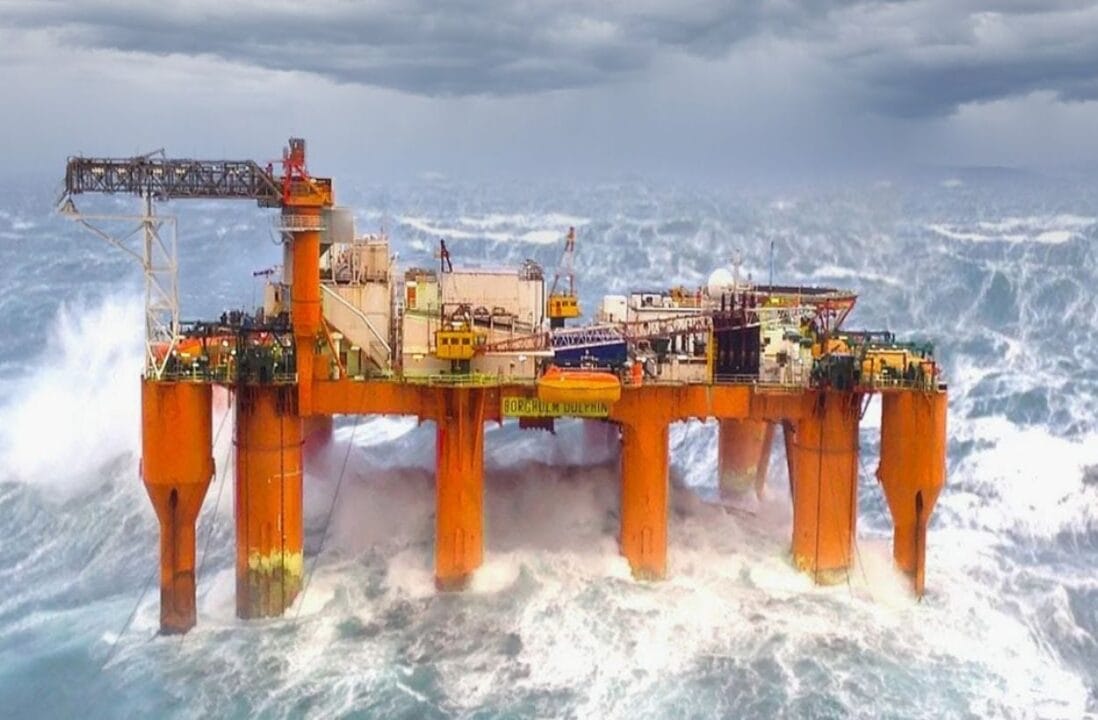
We Explore the Imposing Offshore Oil Rigs, Giant Structures Designed to Withstand Ocean Depths and Extreme Weather Conditions While Housing Highly Skilled Workers in One of the Most Dangerous Jobs in the World.
We Reveal Why These Colossuses of Human Ingenuity, the Oil Platforms, Are Among the Most Dangerous Jobs in the World, Detailing Everything from Rigorous Safety Training to Maintenance Systems That Ensure the Integrity of Maritime Operations, Highlighting the Risks, Innovations, and Determination That Define Life at the Extreme Frontiers of Oil and Gas Exploration.
Designed for the Impossible: Oil Platforms
Oil Platforms Are True Engineering Marvels, Designed to Reach the “Unreachable”: Extract Oil and Natural Gas from the Abyssal Depths of the Ocean. Built on Solid Ground, These Structures Are Later Transported to Their Final Destination at Sea, a Journey That, in Itself, Is an Epic Adventure Facing the Vast and Untamed Ocean.
Weighing Up to 200 Million Kilos and Exploring Depths Exceeding 2,500 Meters, These Platforms Are Some of the Most Imposing Structures Created by Humankind. But It Is Precisely This Grandeur That Hides the Dangers Offshore Workers Face Daily. Highly Skilled Petroleum Engineers and Mechanics Undergo Rigorous Safety Training to Deal with the Risks Associated with This Extreme Environment.
-
Offshore industrial demand in Macaé skyrockets with the recovery of oil and gas and could grow by up to 396% by 2026 in the Campos Basin.
-
Offshore industrial demand in Macaé surges with the recovery of oil and gas and could grow by up to 396% by 2026 in the Campos Basin.
-
Historic bankruptcy of Centauro shocks the market, and the century-old company puts more than 500,000 products, machines, and complete infrastructure up for online auction.

-
Brazilian giant expands borders in the Southeast: Petrobras confirms new oil discovery in ultra-deep waters in the pre-salt of the Campos Basin.


Life in the Depths: One of the Most Dangerous Jobs in the World
Working on an Oil Platform Means Coping with Loneliness and Stress in an Environment Where Mistakes Have a High Price. Despite Comfortable Accommodations and Recreational Areas for Decompression, Tension Is a Constant. History Reminds Us of the Risks: The 1988 Disaster, with Devastating Gas Explosions, Is a Sad Example of How Things Can Quickly Spiral Out of Control.
Oil Platforms, Despite Controversies, Are Essential to Meet Global Energy Demand, Showcasing Human Ingenuity in the Quest for Resources in the Depths of the Planet. However, the Challenges and Dangers Faced by Those Who Work on Them Remind Us of the Respect We Must Have Not Only for Nature but Also for the Men and Women Who Risk Their Lives in One of the Most Dangerous Professions in the World.
Types of Oil Platforms
In the World of Oil and Natural Gas Exploration, Innovation and Adaptation Are Key to Overcoming Challenges Posed by Mother Nature. The Oil Platforms, These Imposing Structures That Seem to Defy the Laws of Physics, Are the Stage Where This Battle Unfolds. Let’s Dive Into the Different Types of Oil Platforms That Facilitate This Quest for Energy in the Depths of the Planet.
Drillship: Imagine a Giant of the Seas, Capable of Navigating to Ultra-Deep Waters, and You Have the Drillship. This Floating Platform Is a True Mobile Drilling Laboratory, Designed to Operate at Depths Exceeding 2,000 Meters. Its Mobility Is a Strategic Advantage, Allowing It to Explore New Horizons in Search of Black Gold.
Fixed Platform: Fixed Platforms Are the Veterans of the Sea, Rooted on the Ocean Floor in Waters up to 300 Meters. They Stand as a Testament to Human Engineering, Capable of Withstanding the Ocean’s Whims While Drilling the Sea Floor in Search of Oil and Gas.
Jack-Up Platform: Similar to a Sea Creature Extending Its Legs to Reach the Seabed, the Jack-Up Platform Rises Above the Surface. Suitable for Shallow Waters, Up to About 150 Meters, These Platforms Adjust Their Height as Needed, Providing a Stable Base for Drilling Operations.
Semi-Submersible Platform: To Challenge Depths of Up to 2,000 Meters, Semi-Submersible Platforms Float Thanks to Columns Mounted on Submerged Floats. Their Stability Is Ensured by Sophisticated Anchoring Systems, Allowing Operations to Be Conducted in Adverse Maritime Conditions.
FPSO: The Acronym FPSO Represents a True Revolution in the Oil Industry. These Adapted Ships Can Produce, Store, and Transfer Oil, All in One, Ideal for Deep and Ultra-Deep Waters Where Constructing Fixed Infrastructure Would Be Unfeasible.
Monocolumn FPSO and TLWP Platform: Innovations Like the Monocolumn FPSO, with Its Round Hull for Greater Stability, and the TLWP (Tension Leg Wellhead Platform), a Nearly Fixed Floater, Represent the Pinnacle of Offshore Technology. They Are Designed to Operate in Extreme Conditions, Showing That the Industry Is Always Ahead, Seeking Solutions That Combine Efficiency and Safety.
But What Is the Largest Oil Platform in the World?
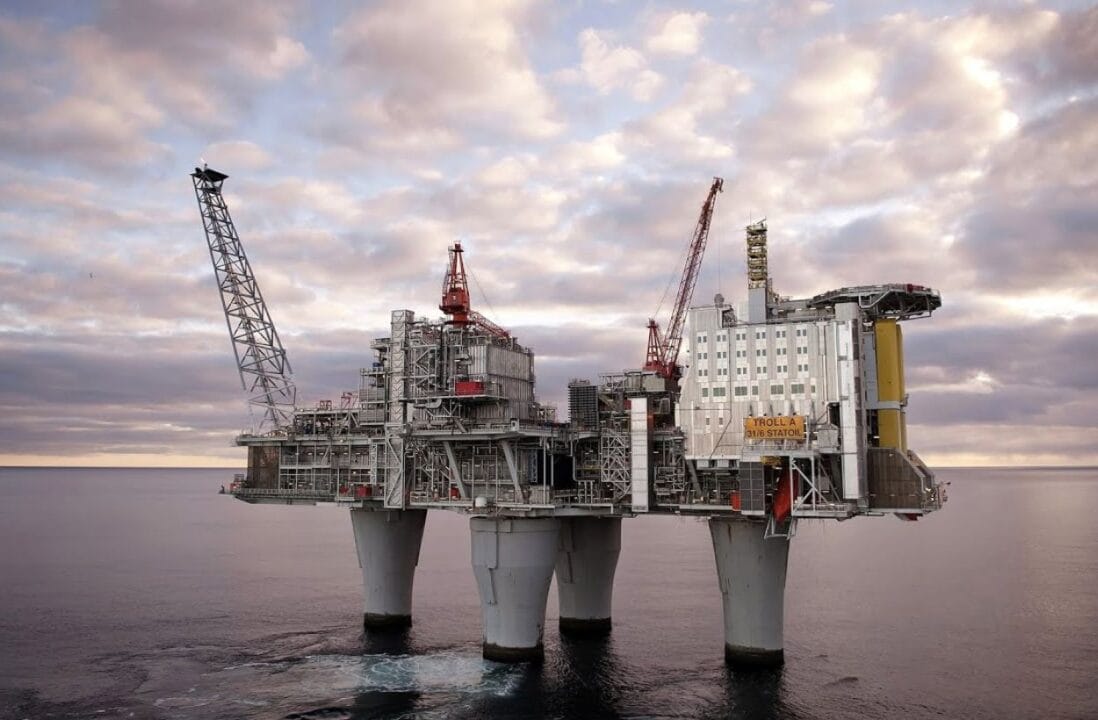
Among These Engineering Marvels, Troll A in Norway Stands Out as the Largest Oil Platform in the World. With a Height of 472 Meters, It Is Not Only One of the Tallest but a Symbol of Humanity’s Unending Pursuit of Resources, on the Edge Between Innovation and the Challenges Posed by the Marine Environment.
And Why Is It One of the Most Dangerous Jobs in the World?
However, Offshore Exploration Is Not Without Risks, Being One of the Most Dangerous Jobs in the World. Disasters Like Deepwater Horizon, Piper Alpha, and Petrobras’ P-36 Platform Serve as Grim Reminders of the Dangers These Professionals Face. They Highlight the Importance of Rigorous Safety Standards and Environmental Regulations, Essential to Protect Both Human Lives and the Environment.
The Quest for Oil in the Depths of the Ocean Is a Journey Filled with Challenges, Innovations, and Sometimes Dangers. Oil Platforms, in Their Various Forms and Sizes, Are Testaments to Human Ingenuity and the Unyielding Spirit in the Quest for Energy.








-

-

-

5 pessoas reagiram a isso.