





 Portuguese
  English
  Spanish
  4 min of reading
  0 comments


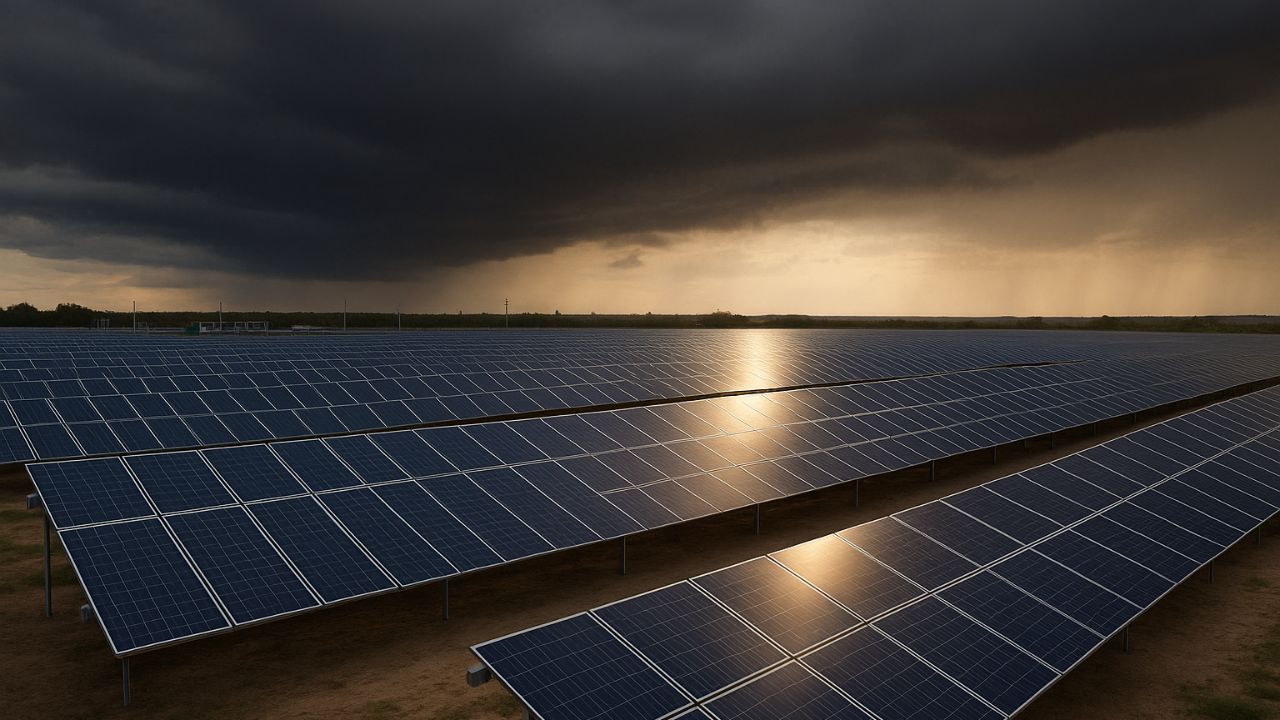
Higher Taxes and Loss of Benefits: PLP 182/2025 Triggers a Warning About a Tax Tsunami in Solar Energy. Understand the Impacts
The Brazilian solar energy sector is facing its most critical moment since its inception. The federal government has decided to move forward with PLP 182/2025, a proposal that revives the specter of MP 232 from 2004 and inaugurates what business owners are already calling a “tax tsunami”.
The measure, which is under consideration in Congress in November 2025, promises to increase taxes, reshape business models, and especially pressure distributed generation and energy storage companies.
This decision is made because the government seeks to increase revenue starting in 2026, when the fiscal target and the implementation of the Tax Reform intersect, creating a perfect storm scenario.
-
The Senate approves a bill that criminalizes misogyny, hatred, or aversion towards women, and includes the crime in the Racism Law with a penalty of up to 5 years.

-
Chamber Approves Bill That Allows Pepper Spray for Women Over 16 and Imposes Strict Rules for Purchase, Possession, and Use as Self-Defense

-
Chamber Approves Law to Combat Leucaena, Fast-Growing Plant That Dominates Land and Threatens Native Species in Various Regions of the Country

-
Asset Division: Know What Cannot Be Divided in Case of Divorce


PLP 182/2025: Why It Returns Now and Who Will Be Most Affected
The PLP 182/2025 is the government’s direct response to the difficulty in achieving a primary surplus of 0.25% of GDP in 2026.
With tax expenditures rising from R$ 34 billion in 2003 to R$ 564 billion in 2024, Brasília is aiming for a robust adjustment.
The problem is the target: strategic sectors, such as solar energy, which are already operating under intense competitive and regulatory pressure.
The text proposes two central movements that rekindle old fears:
1. A 10% Increase in the IRPJ and CSLL Calculation Base for presumptive profit companies earning above R$ 1.2 million annually;
2. A Linear Cut of 10% in Federal Tax Benefits, affecting PIS/Cofins, IPI, and state incentives.
The official estimate is to raise R$ 19.76 billion in 2026, but experts warn of a serious side effect: loss of competitiveness, litigation, and potential market exits in the solar sector.
Two Tsunamis Colliding: PLP 182/2025 and Tax Reform Uniquely Increase Burden
Beyond the direct increase in taxes, the sector reacts because PLP 182/2025 will not come alone.
It will take effect during the same period that the Tax Reform introduces the CBS and IBS. And that’s where the tax tsunami gains strength.
According to the reference text:
“Solar equipment, previously exempt from ICMS in many states, will now be taxed at 28% (IBS + CBS). Even with the 70% reduction provided for in the law, the effective charge rises to 9%.”
Currently, the taxation is 3.65%. In other words, a practical increase of 164%.
Furthermore, the equipment rental model — dominant in distributed generation — will now be fully taxed, which did not previously occur under either ICMS or ISS.
Distributed Generation Becomes the Weakest Link
Distributed generation is the basis for the expansion of solar energy in Brazil and is the most affected point of the proposal. Among the expected direct impacts:
elimination of incentives in shared generation;
limitation of benefits for local self-consumption up to 1 MW;
risk of losing ICMS exemption due to the end of PIS/Cofins in 2027;
unfeasibility of old contracts and the need to restructure business models.
In simple translation: what was already complex will become even more expensive and bureaucratic.
Storage Emerges as the Only Good News
Amid the turbulent scenario, only the energy storage (BESS) segment shows some advantage. With the extinction of IPI in 2027, this market will have more stable taxation under IBS and CBS.
The import tax for solar equipment has also been reduced from 25% to 9.6%, which helps, but does not neutralize the rise in domestic taxes.
Business Owners Are Still Unprepared — And Time Is Running Out
The sector is in a worrying state of inattention. According to the base text:
“Few have reviewed contracts in light of LC 214/2025; even fewer have adjusted billing systems for the DERE; tax planning? Almost no one has done it.”
The final warning is direct: strategic windows close at the end of December 2025.
Urgent Actions to Survive the Tax Tsunami
To avoid the worst, experts recommend:
Register Rental Contracts by 12/31/2025.
Migrate to the BTS (Build to Suit) model.
Review all existing contracts.
Adjust systems to DERE.
Engage in aggressive tax planning.
Diversify into storage.
Closely monitor the progress of PLP 182/2025 and act politically.
The combination of PLP 182/2025, Tax Reform, CBS, and IBS can cause impacts that go beyond the increase in taxes.
They can redesign the entire solar energy market and stifle one of the most competitive and dynamic sectors in the country.
The central question, as pointed out in the base text, is simple:
“The tsunami is coming. The question is: will you be prepared when it arrives?”








-

-

-

4 pessoas reagiram a isso.